

South African
Biltong in the glovebox, a braai going every Saturday, and a Cape Malay curry baked under eggy custard — the rainbow-nation table.
Braai
A social and cultural tradition of outdoor grilling, central to South African gatherings and cuisine.
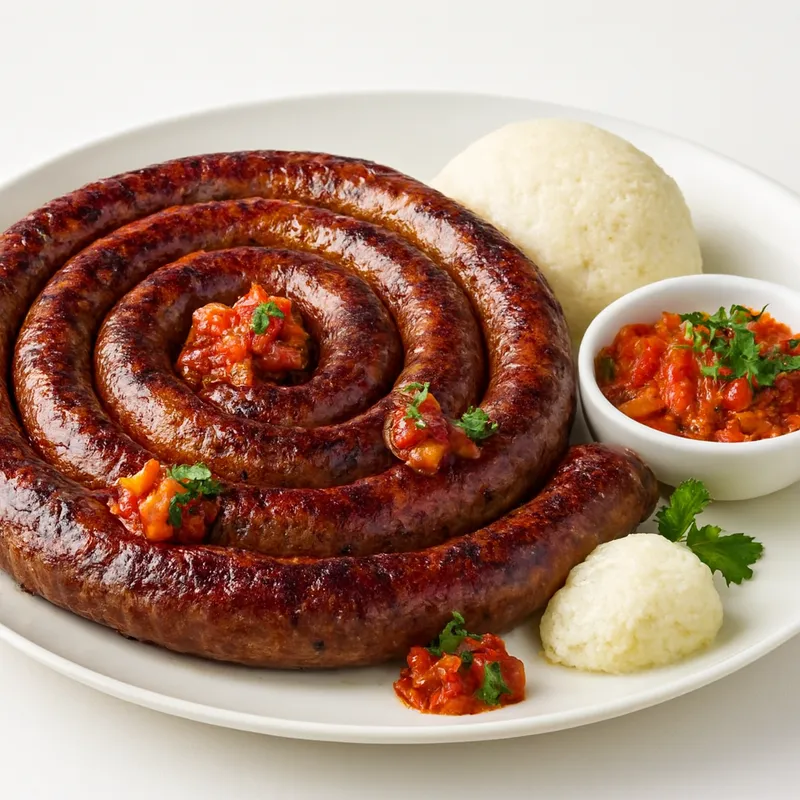
View page →A South African table is really a South African fire. The braai — more verb than noun, the national weekend ritual — takes over the backyard with thick coils of Boerewors sausage, Sosaties lamb skewers, and whatever the butcher had on sale that morning. Next to the grill lives a three-legged cast-iron Potjiekos pot, bubbling away with slow-stewed meat, vegetables, and spices that started before breakfast and won't be ready until sundown. A scoop of Pap — stiff maize porridge, the country's true staple — and a dollop of tomato-chili Chakalaka turn everything into a plate.
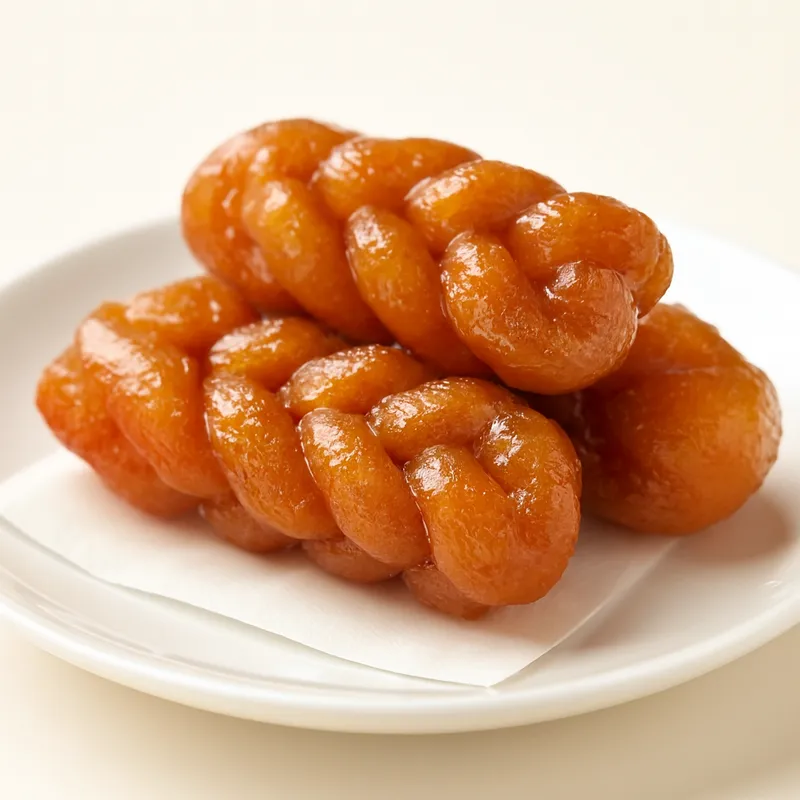
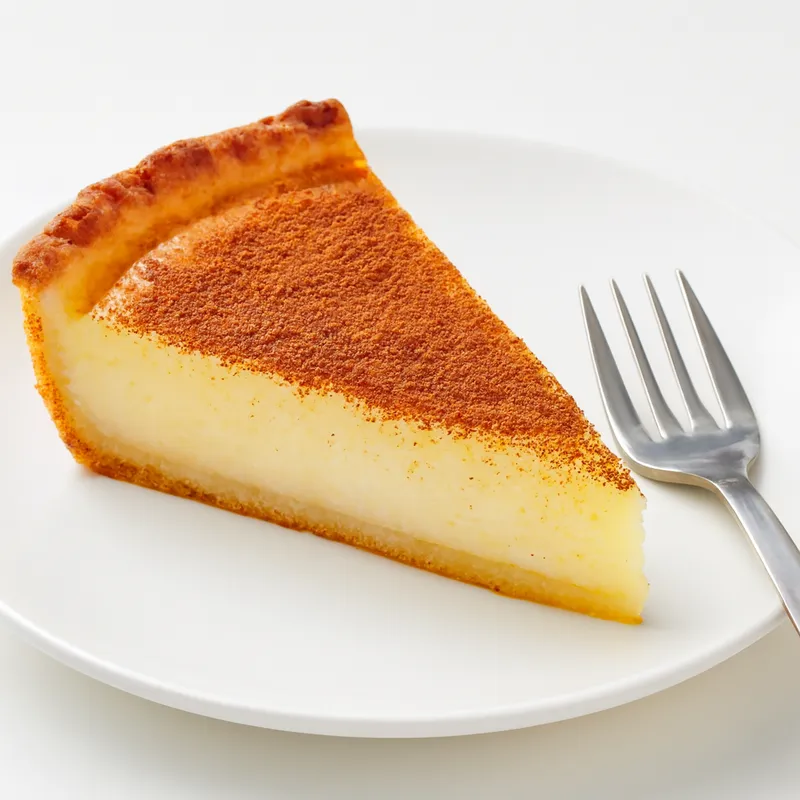
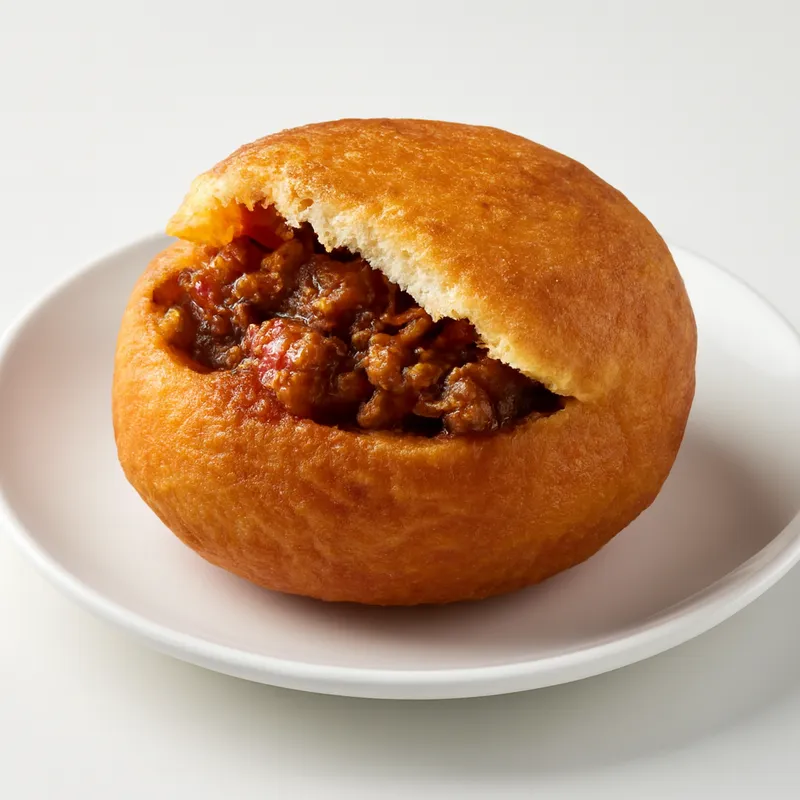
Underneath the braai, the food tells a more complicated story. Cape Malay cooking — brought by enslaved South and Southeast Asians in the 1600s — left behind Bobotie, with its yellow rice and eggy custard top over spiced mince. Indian railway workers in Durban turned leftover curry into Bunny Chow by carving out a loaf of white bread. Afrikaner grandmothers built Koeksisters, Melktert, and Malva Pudding from the Cape Dutch pantry. Zulu and Xhosa cooks keep Pap and Boerewors on the fire. The braai pulls it all together, because the fire doesn't ask what language you speak.
The Palate
Start Here
Spiced minced lamb or beef baked under a blanket of egg custard, topped with a bay leaf, and served with yellow turmeric rice, chutney, and sliced banana.
Why start here · The national dish — teaches the Cape Malay fusion at the heart of South African cooking: Indian-Southeast-Asian spice work married to a Dutch-style baked casserole.
Thick coils of coriander-and-clove-seasoned farmer's sausage, grilled slowly over hot coals. Never poked, never pricked — boerewors purists pride themselves on juice retention.
Why start here · The braai's signature — without Boerewors and the fire it sits on, there is no South African weekend. The purest expression of braai culture.
A hollowed-out quarter loaf of white bread filled with spiced curry — mutton, bean, or chicken. Invented by Indian sugar-cane workers in 1940s Durban as a portable lunch.
Why start here · A history lesson in a bread bowl — shows how colonial labor migration reshaped South African cooking and made Durban the curry capital of Africa.
Stiff maize porridge (mielie pap) served alongside grilled meat, usually Boerewors or steak, with Chakalaka and gravy on the side.
Why start here · The everyday meal across Zulu, Xhosa, Tswana, and Sotho kitchens — the real staple that the braai-and-Cape-Malay tourist story tends to skip over.
The Pantry






See all 129 ingredients›










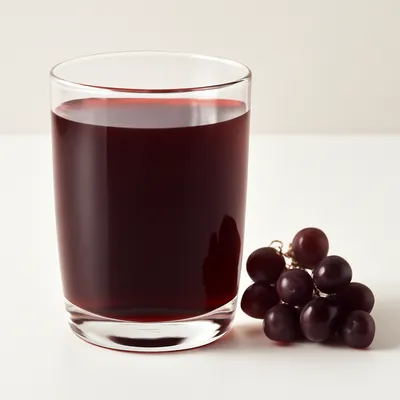
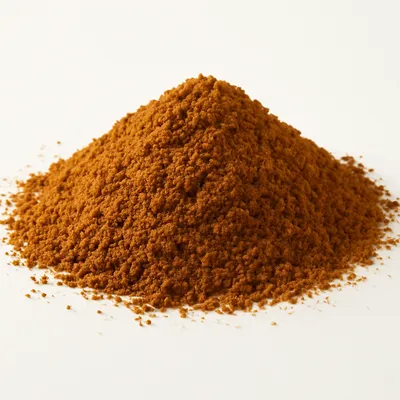
Herbs & Spices


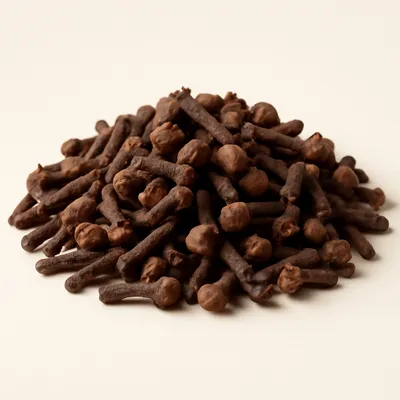
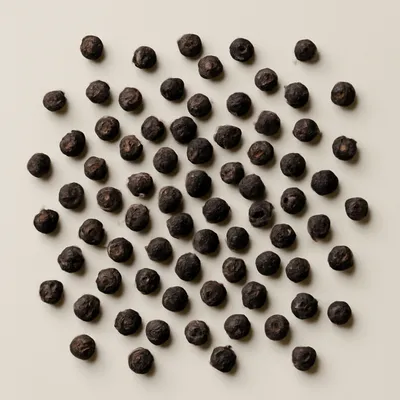


Dairy & Fats











Four Kitchens
Four kitchens of the rainbow nation — Cape Malay spiced curries, Afrikaner braai, Zulu-Xhosa samp-and-beans, Indian-Durban masala. Tap a kitchen to see its table.
Dutch-French-Khoisan inheritance — boerewors, biltong, malva pudding, braai culture.
Indian-Ocean Muslim-Malay spice — bobotie, bredie, samoosas, milk tart.
The Bantu-Nguni table — samp-and-beans umngqusho, mealie-meal pap with amasi, township tripe-and-shisa-nyama grilling.
The Indo-South African kitchen built by 1860 indenture migration — Durban mutton curry, bunny chow, breyani folded into the South African table.
How They Cook
Techniques that define this cuisine
Kindred Kitchens
Cuisines built on the same signature ingredients
Signature Dishes (38)
Browse all 38 dishes›
Drinks
2


Mains
19