

Cape Malay South Africa, 17th–18th century. The dish comes from the Cape Malay community — descendants of enslaved cooks the Dutch East India Company shipped from Java, Batavia, and the Indonesian archipelago to the Cape Colony from 1658 onward, who brought Southeast Asian spices and methods with them. The name likely descends from the Javanese bobotok (spiced coconut, vegetables or fish steamed in banana leaves); the two dishes taste nothing alike, but the appearance of the meat is similar, and the spiced-mince idea carried over. At the Cape the recipe was reworked with local ingredients — apricot jam replacing tamarind, almonds replacing candlenuts. Its precise origin is contested: Cape Malay cooks claim it as their own, while Afrikaner tradition often credits Europe and reduces the Cape Malay role to the name. A widely repeated claim that the first recipe appeared in a 1609 Dutch cookbook is unverified — no such 1609 Dutch cookery book has been located. Hildagonda Duckitt's 1891 South African collection records an early form close to the modern one. Despite the debate, bobotie is widely regarded as a South African national dish.
Cape Malay, 17th–18th century, brought by enslaved cooks the Dutch East India Company shipped from Java to the Cape from 1658. Hildagonda Duckitt's 1891 South African cookbook fixed the modern form.
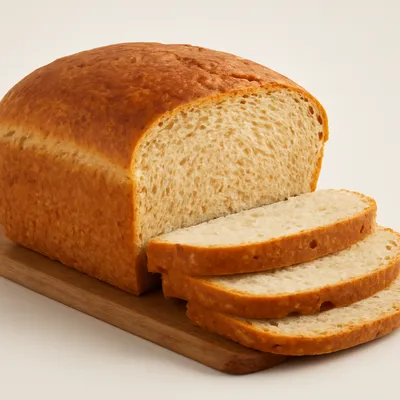
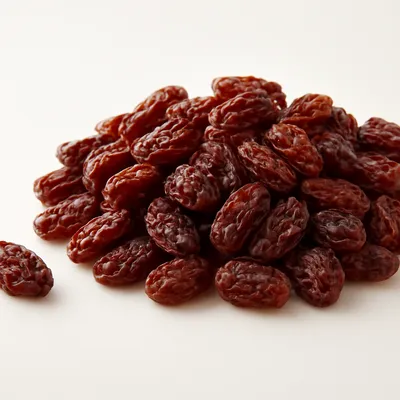
Curried minced beef or lamb baked under a custard of egg and milk, with a bay leaf or two stuck upright in the top. Inside the meat: raisins, almonds, turmeric, a slice of soaked bread for body, a hit of fruit chutney or apricot jam. Sweet, mildly spiced, soft — eaten with yellow rice and sambals. The custard top sets like a thin omelette.
The soaked bread is structural, not filler — milk-soaked bread breaks down into the meat and binds it so the loaf slices clean instead of crumbling. The custard layer needs to be poured over already-baked meat and returned to the oven; pour it on cold meat and the egg curdles instead of setting. Bay leaves on top are aromatic only — they steam-release into the custard as it bakes.
Variations
Beef-mince home version (cheapest, most common); lamb-mince for the Cape Malay benchmark; chicken bobotie in modernized restaurant versions; vegetarian lentil bobotie among Cape Town's Muslim home cooks during fasting weeks.
On the Palate
Where Bobotie sits in the South African flavor cloud
Pour the egg-milk custard over meat that is already browned and warm, not raw — set on hot meat it bakes into a clean golden layer, but on cold meat the egg curdles into scrambled bits instead of a smooth top.
Ingredients








How it's made
4 steps · 55 min
- 110 min
Preheat your oven to 350°F (175°C). In a large pan over medium heat, add minced meat and cook until browned and fragrant, about 6-8 minutes. Stir in curry powder until fully incorporated and aromatic.
Watch outEnsure the meat is well-browned to develop deep flavors.
- 25 min
Soak the bread in milk until it's soft, then squeeze out excess milk. Tear the bread into small pieces and mix it into the meat along with any chopped onions or almonds you may be using.
Watch outSqueeze the soaked bread until it stops dripping, then mash it in until you can't see separate pieces — lumps mean it won't bind.
- 35 min
Transfer the meat mixture into a greased baking dish, pressing it down gently. In a small bowl, beat eggs with a bit of milk and pour this custard over the meat, allowing it to seep into the crevices.
Watch outPress the meat into an even, firm layer before the custard goes on, so the egg pools on top instead of sinking through a loose mound.
- 435 min
Bake in the preheated oven until the custard is set and lightly browned on top, about 30-35 minutes. The aroma of curry and sweet raisins should fill your kitchen.
Watch outDone is a set, lightly browned top with just a trace of jiggle in the center; a rock-solid dry surface has gone too far.
Archive tool suggestions — not reviewed
These legacy suggestions have not been evidence-reviewed and are not presented as required tools.