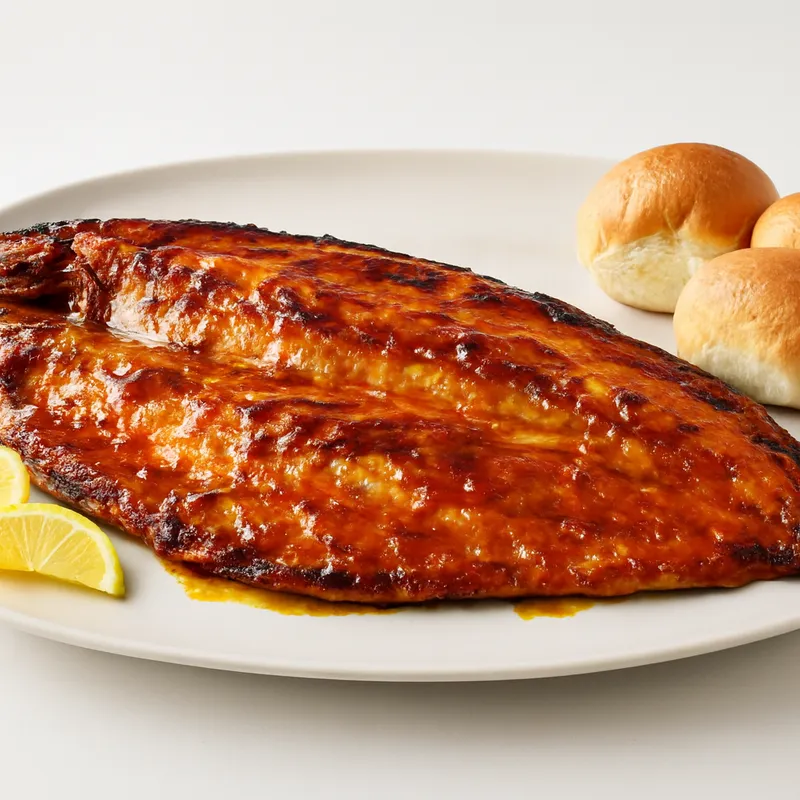
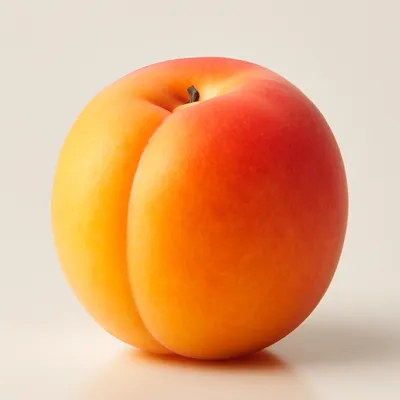
A whole snoek — a long, oily Cape sea fish — butterflied flat and grilled skin-side over the coals, basted as it cooks with a glaze of apricot jam, garlic, butter and lemon, until the flesh flakes and the surface sets into a sweet caramelized crust. The everyday Cape Town and West Coast fish braai.





Snoek (Thyrsites atun) is not the European freshwater pike it shares a Dutch name with, but a long, oily snake mackerel of the open Cape sea, ranging along southern Africa and especially abundant off the West Coast. Each winter (roughly May–August) the snoek run pushes inshore, the fish following the sardine shoals that move south from Namibia, and the boats work this season hard. Dutch settlers at the Cape knew the fish from 1652; long dismissed as a poor man's food, it became a staple of the Cape and then the wider South African braai. Grilling the butterflied fish flat over coals is Cape folk technique; the apricot-jam-and-butter baste is said to be only mid-20th-century — before that snoek was salted, smoked, or grilled plain — becoming standard once bottled jam was everywhere. Today a coal-grilled snoek with bread and a glass of white wine is close to a fixed Cape winter ritual.
Snoek (Thyrsites atun) has been fished off the Cape since pre-colonial Khoi times. The apricot-butter baste is mid-20th century — pectin holds butter on the fish so it bastes itself instead of dripping into the coals.
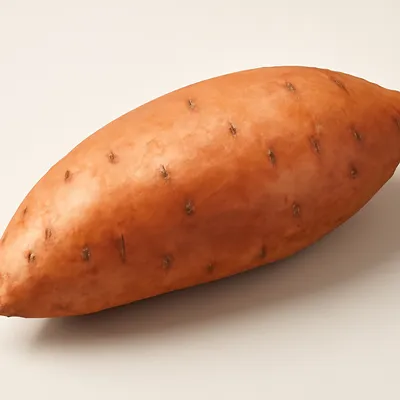
First the sweet caramelized crust: apricot jam, garlic, butter and a squeeze of lemon, the sweetness cutting the snoek's heavy oil and sea-salt. Smoke from the coals works into the fat, leaving a thread of smokiness under the sweet-savory glaze. The oily flesh lifts off in large flakes, rich on the tongue. Snoek is bony and the bones are awkward, so it's mostly eaten slowly with the fingers off the skin — with bread, sweet potato, or a dab of moskonfyt (reduced grape-must syrup). The slow eating is part of the dish.
Snoek's flesh is oily yet dries out fast over coals, so the baste does two jobs: the sugar in the apricot jam caramelizes to color the surface and set a crust, while the jam's pectin holds the butter on the flesh so the fat keeps re-basting the fish in place instead of dripping into the fire. The fish is butterflied flat and left skin-on; grill the flesh side toward the coals first, then turn it skin-side down to finish — bony snoek flesh breaks if flipped about, so it is turned as little as possible and cooked mainly on the skin. It is done when the flake beside the dorsal bone lifts cleanly in one piece with no pink at the bone.
Variations
Beyond the braai, snoek is also smoked — Lambert's Bay on the West Coast is known for it — the smoked fish eaten as is with wine and bread or simmered into a chowder; the West Coast also salts and air-dries it into 'bokkoms'; canned snoek is a pantry staple. Flaked smoked snoek braised with onions, tomato and potato makes the Cape Malay dish smoorsnoek, and the same flaked smoked fish is whipped into a pâté for bread. Bastes vary by place: the harbour braais around Kalk Bay in Cape Town lean heavier on garlic-butter and lighter on apricot.
On the Palate
Where Snoek Braai sits in the South African flavor cloud
Ingredients


How it's made
5 steps · 1 hour
- 112 min
Clean and butterfly the snoek.
- 27 min
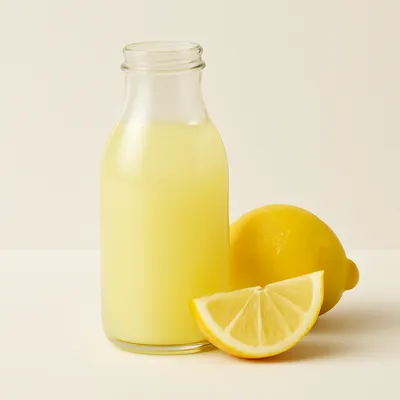
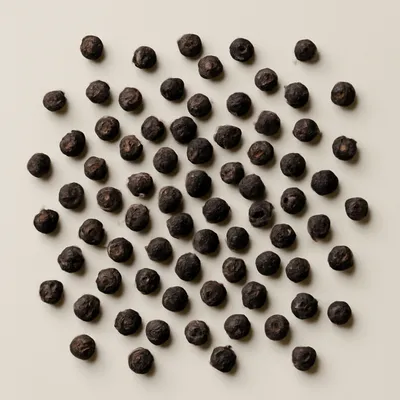
Mix apricot jam, butter, garlic, lemon juice, salt, and pepper.
- 312 min
Baste the snoek with the mixture.
Watch outBaste generously — the jam's sugar caramelizes into a crust while its pectin holds the butter on the flesh so the oily fish keeps basting itself instead of drying out.
- 418 min
Place on a hot grill skin side down.
Watch outGrill flesh-side to the coals first, then finish skin-side down and turn it as little as possible — bony snoek flesh breaks apart if you flip it around.
- 512 min
Cook until the flesh flakes easily.
Watch outIt's done when the flake beside the backbone lifts clean and opaque — push past that and the oily flesh dries to cotton.
Archive tool suggestions — not reviewed
These legacy suggestions have not been evidence-reviewed and are not presented as required tools.