




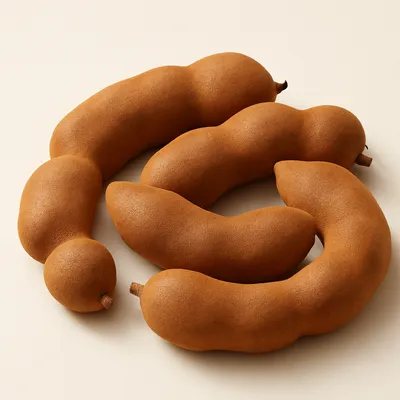
Denningvleis ('denning meat' — vleis is Afrikaans for 'meat'; 'denning' is generally traced to the Javanese 'dendeng', dried/cured spiced meat, originally water-buffalo meat) is one of the oldest dishes of Cape Malay cuisine. The Cape Malay community descends from people enslaved and exiled from Southeast Asia, South Asia and East Africa by the Dutch East India Company (VOC) from the 17th century onward, many from what is now Indonesia. The Dutch are said to have encountered a 'dendeng' stew in Java and brought the recipe — along with tamarind — to the Cape, where water buffalo was replaced with the more available mutton or lamb. Unlike British or Afrikaner stews, denningvleis leans on tamarind for a sour edge and on clove, allspice and a little sugar for warm sweetness — a sweet-and-sour, Indonesian-via-the-Cape profile. It is a fixture of Cape Malay home cooking and Bo-Kaap menus, traditionally served with white or yellow (turmeric) rice and sambals. (A less common folk etymology instead links 'denning' to the Dutch 'denne', pine, claiming the dish was once cooked over a pinewood fire.)
A spoonful of denningvleis: the mutton shreds into thick mahogany-brown gravy; tamarind tang hits first, then clove-allspice warmth opens up, then the slight sugar reminds you this is technically sweet-sour. The flavor profile is unmistakably Indonesian-via-Cape — not Indian, not South African Afrikaner, distinctly Cape Malay. Rice and sambals balance the rich gravy.
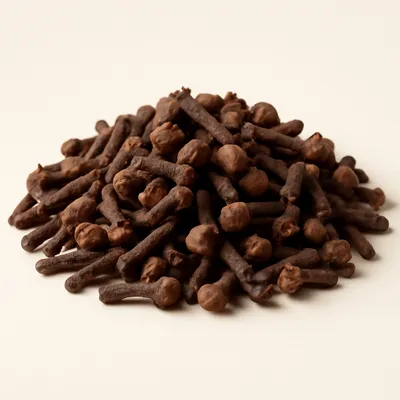
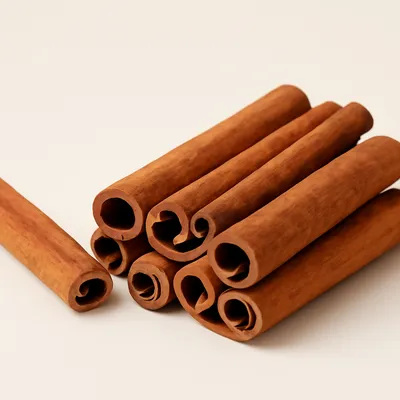
Tamarind + cloves + cinnamon is the Indonesian-derived 'rempah' signature — tamarind's tartness penetrates the mutton fibers and breaks down connective tissue faster than vinegar alone, while clove-allspice volatile oils dissolve into the rendered fat and infuse the meat from the surface inward. The 1.5-hour braise is exactly what's needed for the lamb shoulder's collagen to convert to gelatin without overcooking.
Variations
Traditional Bo-Kaap version uses bone-in mutton; modern Cape Town restaurants use boneless lamb for speed; some recipes add a Granny Smith apple chopped fine for extra tartness; some skip the brown sugar for a tarter result.
On the Palate
Where Denningvleis sits in the South African flavor cloud
Ingredients
Serves 6





How it's made
5 steps · 30 min active + 2 hours waiting
- 13 min
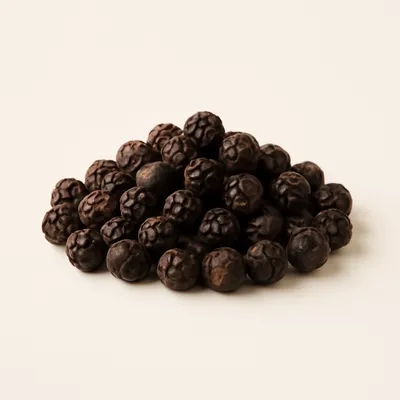
Cut 1.2kg mutton (lamb shoulder, bone-in) into 5cm pieces. Season with 1 tsp salt, 1 tsp pepper.
- 218 min
Heat 3 tbsp oil + 2 tbsp butter in a heavy pot. Brown the mutton in batches, 10 min total. Remove. Add 2 sliced onions; cook 8 min until soft and golden.
Watch outBrown the mutton hard in batches until each piece wears a deep crust — this is where the braise gets its color and depth, so don't rush or crowd it.
- 34 min
Add 6 minced garlic cloves, 1 tbsp grated ginger, 6 whole cloves, 1 tsp ground allspice, 2 bay leaves, 1 cinnamon stick. Cook 2 min until fragrant.
Watch outToast the cloves, cinnamon and allspice in the fat about two minutes until the kitchen smells warm and spiced — that bloom is what carries the Cape Malay character.
- 42 min
Add 1 tbsp tamarind paste mixed with 100ml hot water, 2 tbsp brown sugar, 2 tbsp vinegar (apple cider preferred), 1 tsp salt. Stir to dissolve.
- 593 min
Return mutton + 500ml water. Bring to simmer; cover and cook on low heat 1.5 hours until mutton is fork-tender and sauce thickens. The lamb should be nearly falling off the bone. Skim excess fat if desired. Serve with white basmati rice, yellow Cape Malay rice, and grated cucumber sambal.
Watch outKeep it at the barest simmer, lid on, an hour and a half — it's done when the meat gives at a fork's nudge, nearly off the bone, and the sauce has gone glossy and thick.
Archive tool suggestions — not reviewed
These legacy suggestions have not been evidence-reviewed and are not presented as required tools.


