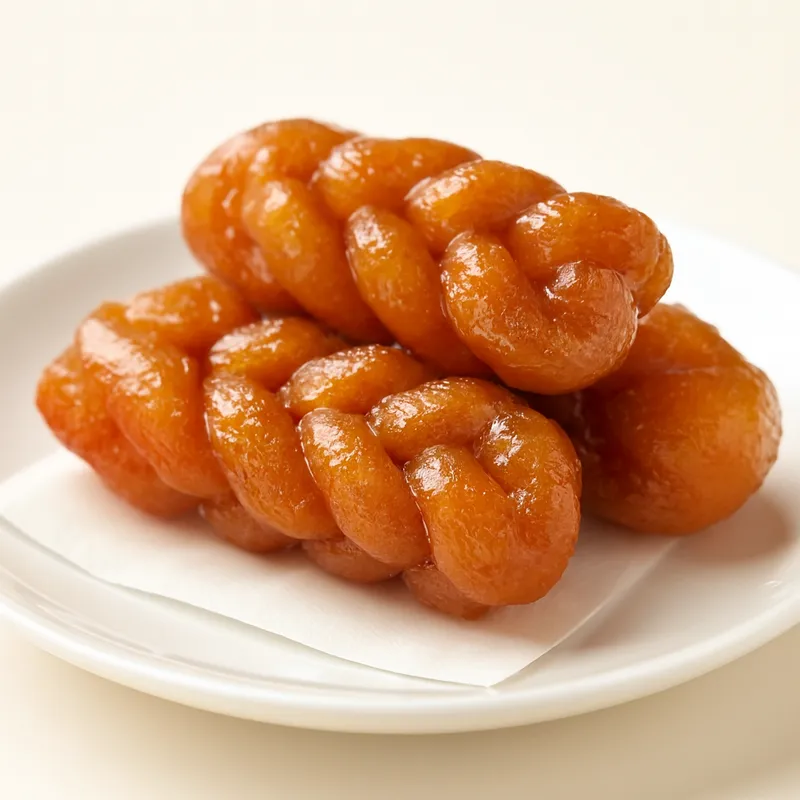
Durban Indian round flatbread torn from a stack and eaten by hand with a small portion of curry — the standard takeaway from every Durban roti shop, often packaged in waxpaper.

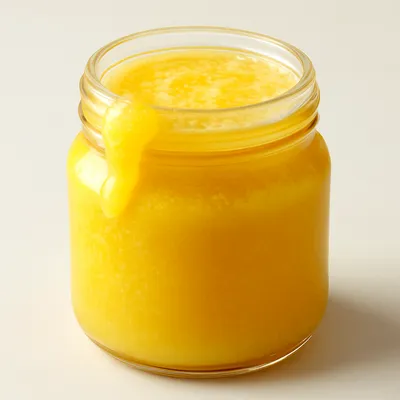
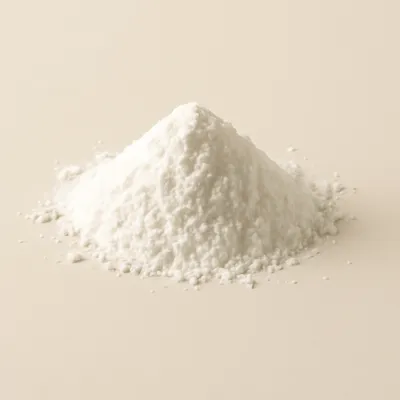

The Indian-South-African 'roti' is a flaky, oil-laminated layered flatbread (closer to a paratha than the thin chapati of North India). It descends from the Indian indentured community brought to the Natal Colony from 1860 onward — the first labourers sailed from Madras to Durban that year, and roughly 200,000 followed over some five decades to work the sugarcane plantations, speaking mainly Tamil, Telugu and Bhojpuri. The Durban version uses more oil between the layers and is laminated into more pronounced flakes than its Indian forebears. Sold at roti shops across Durban for over 100 years — paired with mutton, chicken, potato, or sugar-bean (chana) curry. Tearing the bread by hand and dipping it is the standard way to eat it.
Tear a piece from the stack and the roti splits into thin, flaky layers, smelling of ghee and butter. Use it as a pincer — or wrap it — to grab a chunk of curry from the bowl; the bread soaks up the gravy while the layers give bite, and the slight char adds smoke. The curry carries the flavour; the roti carries it to your mouth. Hand-to-mouth eating, no utensils.
The fold-and-roll technique laminates the dough — each fold doubles the layers. Oil or ghee brushed between the layers melts on the hot pan and turns to steam, puffing the layers apart, much as in pastry but with far less fat. Rather than a dry, hard cook, the roti is brushed with oil and melted butter on both sides as it griddles, so the outside crisps and browns while the inside stays soft and flaky; cooks often clap the finished bread between their palms to fluff the layers open.
Variations
A popular variation is the roti roll — the bread wrapped around a scoop of curry as a Durban street-food takeaway, filled with anything from sugar-bean curry to mutton, chicken, or chicken-and-prawn. An early Gujarati shop in Durban first served roti with vegetarian sugar-bean and broad-bean curries before meat fillings were added. A richer, more buttery style sits even closer to paratha; some shops work a little turmeric into the dough for golden colour.
On the Palate
Where Roti and Curry sits in the South African flavor cloud
Ingredients
Serves 4How it's made
5 steps · 1 hour active + 30 min waiting
- 137 min
Make dough: mix 500g all-purpose flour, 1 tsp salt, 2 tbsp ghee (clarified butter) or oil, 1 tsp baking powder. Gradually add 280ml warm water, kneading 5 min until smooth. Cover and rest 30 min.
- 26 min
Divide dough into 8 balls (each ~80g). Roll one ball into a thin 25cm circle on lightly floured surface.
- 34 min
Brush the circle generously with melted ghee (about 1 tsp). Fold one edge over to the center; fold the opposite edge over to overlap. Then fold the two short ends to meet — you should have a small square. Press lightly.
Watch outBrush ghee right to the edges before each fold — dry spots between folds fuse together and won't puff into flaky layers.
- 45 min
Re-roll the square gently to about 22cm diameter, 4mm thick. The internal layers will create the characteristic flake.
- 538 min
Heat a flat skillet or tawa to medium-high (no oil). Cook each roti 90 sec per side until golden brown spots appear and the bread puffs. Brush with more ghee while hot. Stack on a cloth-lined plate to keep warm. Serve torn and folded around chickpea or mutton curry.
Watch outGriddle dry until golden-brown blisters appear and the roti balloons — that puff means the layers steamed apart; then clap it soft between your hands.
Archive tool suggestions — not reviewed
These legacy suggestions have not been evidence-reviewed and are not presented as required tools.
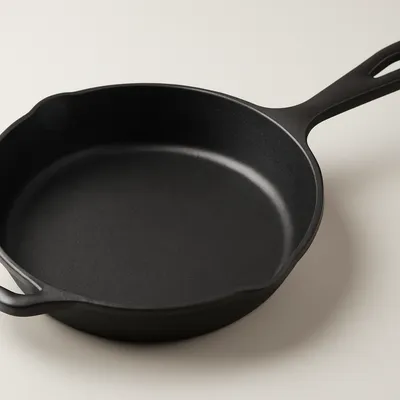
A heavy, single-piece cast iron pan, 25-30 cm across, weighing 1.5-2.5 kg. Once preheated, the thick mass holds 230°C+ even when a cold steak hits the surface — that's the secret to a deep crust. A well-seasoned skillet (multiple thin layers of polymerized oil baked into the iron) is essentially nonstick, gets better with use, and lasts a century. Lodge skillets from Tennessee have been in continuous production since 1896.

A flat or slightly concave cast-iron griddle, 25-30 cm across, used in Indian and Pakistani kitchens for chapati, paratha, and roti. Distinct from the Dosa Tawa (smaller, for batters) — the bread tawa is heavier and unglazed, and you cook directly on it without oil. A well-seasoned tawa develops a near-black patina and lasts generations.