
Chechebsa (an Afan Oromo word meaning 'to shred' or 'to crumble') is a southern-Ethiopian breakfast — the local equivalent of fried-bread-and-eggs in the West: a quick, warm, satisfying morning meal. Freshly griddled kita flatbread (unleavened, thicker than injera, traditionally made from wheat flour, water and salt) is torn into pieces while still warm and tossed with spiced butter and berbere; drier or day-old kita can also be used, as it soaks up more of the butter and spice. It belongs to Ethiopia's broad family of shredded-flatbread dishes called firfir (fit-fit) — made with kita here rather than fermented injera, hence the alternate name 'kita firfir.' The dish has roots in Oromo and Gurage home cooking, and today it's found at Addis Ababa breakfast cafés, Ethiopian diners abroad, and any household with bread to use up. The sweet-savory-spicy-fatty combination is the universal Ethiopian morning comfort.
Spoon up a heap of chechebsa: glistening pieces of bread coated in red-orange niter kibbeh and berbere, with the soft white yogurt cool on top. Bite: the bread is warm and spongy, having drunk up the spiced butter; the berbere's heat-and-complexity hits first; the honey balances with sweetness; the yogurt cools and adds tang. Sip strong dark Ethiopian coffee. This is the breakfast every Ethiopian household makes when there's leftover kita to use — fast, warm, deeply satisfying.
Niter kibbeh's fat dissolves the berbere's lipid-soluble flavor and color compounds (capsaicinoids, curcumin from turmeric) and disperses them evenly over the bread, while the torn pieces multiply the surface area that gets coated — so every piece is uniformly spiced, whereas sprinkling dry berbere leaves uneven hot spots. Tearing the kita while still warm and soft lets it absorb the butter quickly without crumbling; drier bread drinks up even more, which is why some cooks prefer fresh and others day-old. The honey adds more than sweetness: its sugars are hygroscopic, keeping the bread from going hard as it cools, and they caramelize slightly against the hot butter for a subtle toasted note.
Variations
Some southern households make the kita with teff flour added, eating closer to a thicker injera; the Oromo-Wallagga version often mixes chopped scallions and ayib cheese into the spiced bread; modern Addis Ababa cafés swap in cinnamon-cardamom sweet butter for a dessert-leaning version. Toppings vary too — a drizzle of honey for a sweeter bowl, or a spoonful of plain yogurt to temper the heat.
On the Palate
Where Chechebsa sits in the Ethiopian flavor cloud
Bloom the berbere in the melted niter kibbeh before the bread ever touches the pan: the hot fat dissolves the spice's oil-soluble color and heat and carries it evenly onto every torn piece, whereas dry spice on bread leaves harsh, uneven hot spots.
Ingredients
Serves 4


How it's made
5 steps · 25 min active + 5 min waiting
- 118 min
Make kita flatbread (or use 4 large fresh flour tortillas as substitute). For kita: combine 500g flour + 1 tsp salt + 280ml warm water; knead 5 min. Rest 15 min. Roll into 4 rounds, 20cm diameter, 3mm thick. Cook each on a dry hot skillet 2 min per side until golden brown with charred spots. Cool slightly.
- 22 min
Tear the flatbreads into 3cm pieces. Set aside in a large bowl.
- 34 min
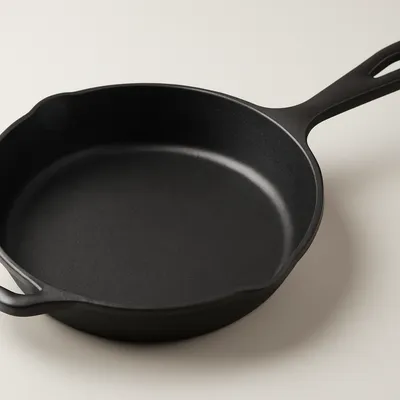
In a heavy skillet over medium heat, melt 6 tbsp niter kibbeh (or substitute 4 tbsp butter + 1 tsp ground turmeric + 1 tsp ground ginger + 1 tsp ground cardamom + 1 tsp ground basil leaves for niter substitute).
- 41 min
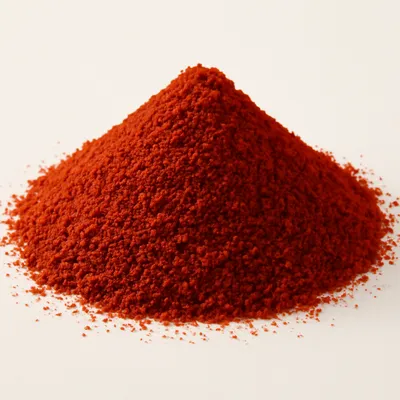
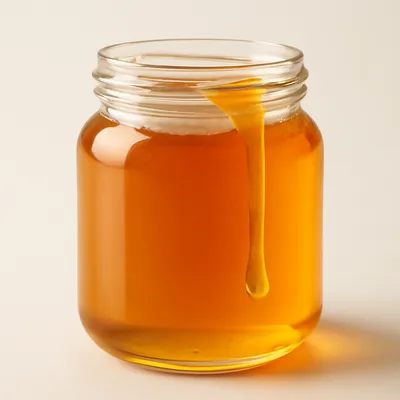
Once the niter kibbeh is melted and aromatic, stir in 2 tbsp berbere spice mix + 1 tbsp honey + 1/2 tsp salt. Cook 30 seconds.
Watch outThe bloom is ready the instant the butter deepens to brick red and smells sweetly spicy — that's your 30-second window before it burns.
- 55 min
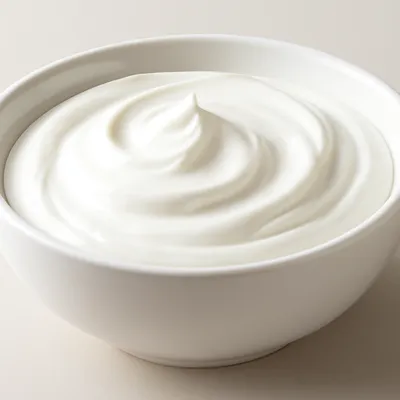
Add the torn bread pieces; toss vigorously in the spiced butter until every piece is coated. Cook 2-3 min, stirring constantly, until bread is heated through and has absorbed the spice butter. Transfer to bowls; top with 2 tbsp plain yogurt or 2 tbsp fresh-curds cottage cheese on top of each portion. Serve immediately with Ethiopian coffee.
Watch outToss constantly until every piece glistens uniformly red and the bread is hot through; no pale dry patches should remain.
Archive tool suggestions — not reviewed
These legacy suggestions have not been evidence-reviewed and are not presented as required tools.