
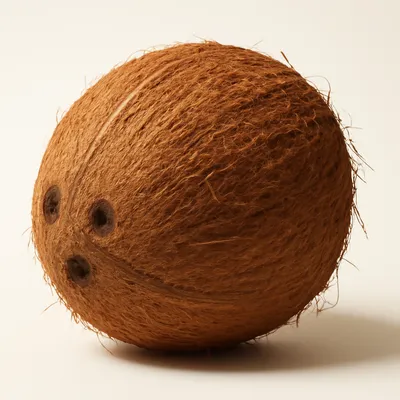




Bibikkan (sometimes spelled 'bibikan') is the iconic Christmas cake of Sri Lanka's Burgher community — descendants of Portuguese (16th c.) and Dutch (17th c.) colonizers who intermarried with Sinhalese and Tamil locals. The dish reflects this colonial-creole inheritance: European pound-cake technique married to Sri Lankan tropical ingredients (coconut, palm jaggery, ginger preserve, candied watermelon rind). Every Burgher household bakes bibikkan in December, slices it thin, and serves it with strong Ceylon tea. The Burgher Sri Lankan community is small (~40,000 today) but their food traditions, especially bibikkan and lamprais, have entered mainstream Sri Lankan culinary identity.
Bite a square of bibikkan: dense and chewy, dark-mahogany from the jaggery, intensely sweet but balanced by the warming spices (cinnamon-cardamom-nutmeg-clove). The grated coconut gives flecks of texture; the preserved ginger explodes in flashes of warmth; raisins jewel the cake. Cashews crunch unexpectedly. The cake is rich enough that one small square is satisfying; bigger pieces would be too much. Pair with strong Ceylon tea (no milk) — the tea's astringency cuts the sweetness perfectly.
Palm jaggery (unrefined palm sugar) provides molasses-like depth and hygroscopic moisture that keeps bibikkan moist for weeks — a refined-sugar substitute would produce a dry, brittle cake. The high coconut-to-flour ratio (1.75:1 by weight) is the dish's signature — most cakes have 0.3:1 or less. Semolina (not regular flour) provides the slightly-gritty texture and binding without making the cake fluffy; flour would defeat the dense purpose.
Variations
Burgher Christmas original uses palm jaggery and candied watermelon rind (puhul dosi); Dutch-Burgher version sometimes adds cherries; modern Sri Lankan bakeries (Perera & Sons, Sponge) make bibikkan year-round but with reduced jaggery; gluten-free home version substitutes rice semolina for wheat semolina.
On the Palate
Where Bibikkan sits in the Sri Lankan flavor cloud
Keep the coconut-to-flour ratio high and fold just until combined — bibikkan is meant to be dense, moist and coarse, so any move toward fluffy or dry is a wrong turn.
Ingredients
Serves 12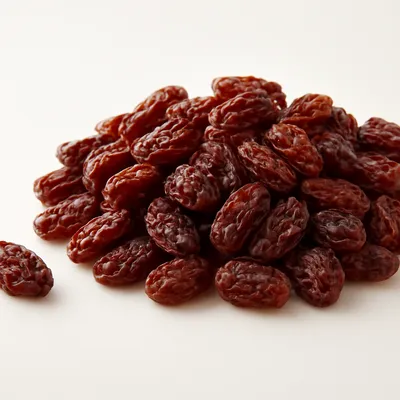


How it's made
5 steps · 30 min active + 1 hour waiting
- 113 min
Make the wet jaggery mixture: in a heavy saucepan over medium-low heat, combine 400g palm jaggery (or dark brown muscovado sugar) with 100ml water. Stir constantly until completely melted and smooth, about 8 min. Cool to lukewarm.
- 28 min
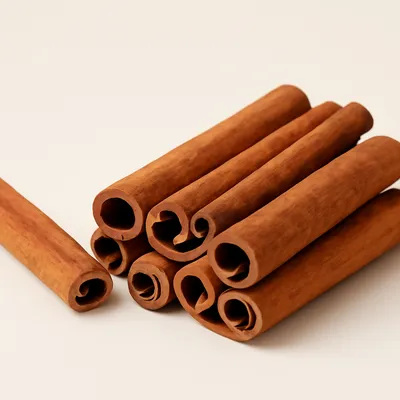
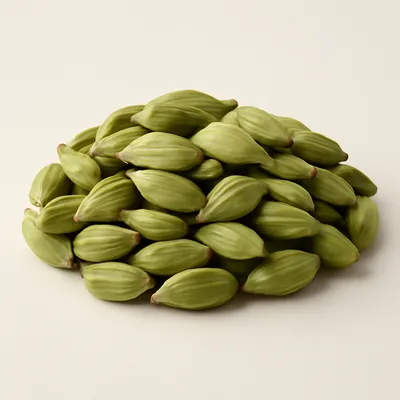
In a large bowl, combine 350g grated fresh coconut (or unsweetened desiccated coconut, rehydrated) + 200g semolina + 100g chopped preserved ginger (or candied ginger) + 100g chopped raisins + 50g chopped cashews + 1 tsp ground cinnamon + 1 tsp ground cardamom + 1 tsp ground nutmeg + 1/2 tsp ground cloves + 1 tsp salt.
- 35 min
Beat 4 eggs in a separate bowl until pale and frothy. Add the cooled jaggery syrup + 100g melted butter to the eggs; whisk to combine.
- 419 min
Pour the wet mixture over the dry coconut-spice mixture; fold gently with a rubber spatula until just combined. Don't overmix — the texture should remain coarse and lumpy. Let rest 15 min.
Watch outBatter stays coarse and lumpy after folding — stop the moment there's no dry patch left.
- 555 min
Preheat oven to 160°C. Line a 22×22cm square baking pan with parchment paper. Spread the batter evenly; smooth the top. Bake 50-55 min until the top is deep mahogany brown and a skewer inserted into the center comes out with moist crumbs (the cake should still be slightly sticky inside — not dry). Cool in pan 20 min; transfer to wire rack to cool completely. Slice into 24 small squares; serve with Ceylon tea.
Watch outTop bakes to deep mahogany; a skewer in the center pulls out with moist crumbs, still slightly sticky.
Archive tool suggestions — not reviewed
These legacy suggestions have not been evidence-reviewed and are not presented as required tools.

Hand-held wire loop tool for beating eggs, whipping cream, emulsifying dressings, and incorporating air into batters. Balloon whisks (large round head) for whipping cream and meringues; French whisks (narrow tear-drop) for sauces in pots; flat whisks (gravy) for pan sauces. Stainless steel is universal; silicone-coated for non-stick pans.

Round metal pot, 14-26 cm diameter, with vertical walls and a long handle, designed for sauces, soups, oatmeal, rice, boiled vegetables. The vertical walls minimize evaporation (vs. a sauté pan). Sizes: 1 qt for melting butter, 2-3 qt for sauces, 4 qt for soups. Stainless-steel-clad aluminum or copper is best for conduction; cast-iron is too thick for delicate sauces.


