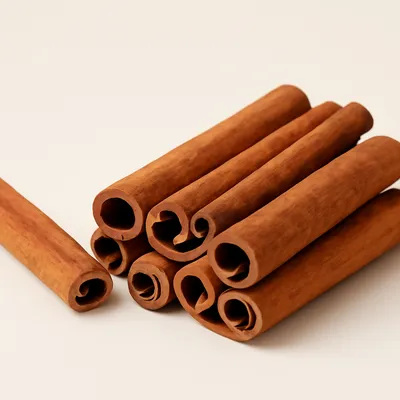
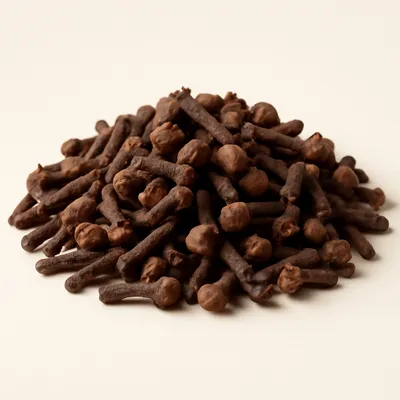
Spekulatius is a thin, crisp German spiced shortcrust biscuit, traditionally stamped from a carved wooden mould so that each one carries an embossed picture in relief. The dough is flavoured with a warm 'Spekulatius spice' blend — cinnamon, clove, cardamom, nutmeg and a little white pepper — and is most associated with the feast of St. Nicholas (6 December) and the run-up to Christmas. The classic plain version (Gewürzspekulatius) is brown and snappy; richer kinds fold in chopped almonds. It is a fixture of German and Dutch Advent baking and a near-cousin of Belgian speculoos, but kept distinct here as the firmer, more strongly spiced moulded biscuit of the German tradition.




Moulded spiced biscuits of this kind have been documented in the Rhineland, Westphalia and the neighbouring Low Countries since at least the 18th century, baked from carved wooden boards (Spekulatiusbretter) for the feast of St. Nicholas. The name's derivation is uncertain and the most-repeated explanations are folk etymology: it is variously linked to the Latin speculum ('mirror', for the way the carved mould reflects its picture into the dough) and to speculator, an old title for a bishop, fitting biscuits made to honour the bishop-saint Nicholas. The early moulds carried figures of St. Nicholas, windmills, ships and saints; today's tins favour the same iconography. German Spekulatius and Belgian speculoos share this ancestry but diverged: Belgian speculoos is built on dark candi sugar and reads mainly of cinnamon with a soft caramel snap, whereas German Spekulatius is leaner, harder and carries the broader clove-cardamom-nutmeg spice mix.
Thin and brittle, snapping cleanly with a dry, sandy crumb rather than any chew. The spice arrives in waves — cinnamon and clove first, then the deeper warmth of cardamom and nutmeg, with a faint peppery prickle at the back. The embossed face holds a fine crackle of caramelised sugar where the dough met the mould. The almond version (Mandelspekulatius) carries a toasted nuttiness and a slightly less uniform snap. Eaten with coffee, or simply from the tin through Advent.
The defining step is the carved mould: a stiff, low-moisture dough is pressed hard into a Spekulatiusbrett (or rolled with a patterned roller) so the relief picture transfers crisply, then cut and baked thin and flat. Because the dough is firm and chilled, it holds the fine detail through the oven instead of slumping. The biscuit is rolled thin and baked until the sugars caramelise, which is what gives the dry, hard snap; a wetter or thicker dough would blur the image and stay soft. The spice blend is kneaded all the way through, not dusted on, so the flavour is even from edge to edge. Crucially, no leavening is wanted — the biscuit must stay flat and crisp to keep its stamped face.
Variations
The everyday kind is Gewürzspekulatius (plain spiced); Mandelspekulatius adds whole or chopped almonds, often pressed into the back. Butterspekulatius is a richer, paler, all-butter version with less spice. In the Netherlands the same tradition is speculaas, baked larger and often almond-filled (gevulde speculaas) for Sinterklaas. Belgian speculoos is the soft-caramel cousin sold year-round. Some German bakeries still use antique carved boards for large display pieces; supermarket tins now print the figures with a roller.
On the Palate
Where Spekulatius sits in the German flavor cloud
Ingredients
Serves 12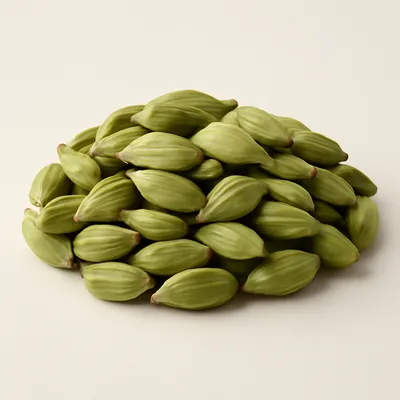

How it's made
6 steps · 40 min active + 1 hour 50 min waiting
- 110 min
Cream butter with sugar, then beat in egg and the Spekulatius spice blend of cinnamon, clove, cardamom, nutmeg and a pinch of white pepper.
- 210 min
Work in the flour with a little baking ammonia or baking powder to form a firm dough; wrap and chill until cold and stiff.
Watch outChill the firm dough until cold and stiff before moulding — cold, low-moisture dough holds the carved relief crisply through the oven; a warm or wetter dough slumps and blurs the picture.
- 310 min
Press the cold dough hard into a floured carved Spekulatius mould, or roll it out and stamp with a patterned roller, then trim each biscuit.
- 410 min
Lift the stamped biscuits onto a lined tray, keeping them thin and flat; chill again briefly so the relief holds.
- 512 min
Bake at 180°C for about 10-12 minutes until evenly browned and the edges are firm.
Watch outBake at 180°C about 10–12 minutes until evenly browned — thin and flat, the sugars caramelize into that dry, hard snap; pull them once the edges firm, not soft.
- 610 min
Cool fully on a rack so they crisp; store airtight to let the spice mellow.
Archive tool suggestions — not reviewed
These legacy suggestions have not been evidence-reviewed and are not presented as required tools.


