


An imprinted pryanik from Tula, first mentioned in the Tula census book of 1685; the carved wooden boards used to stamp it make its production a recognized folk art.
The glazed crust gives a sweet, crackly first bite, then the cake turns soft and chewy with warm spice. The hidden seam of jam bursts tart and fruity through the honeyed dough. It is aromatic and old-fashioned, the kind of sweet that pairs perfectly with strong tea.
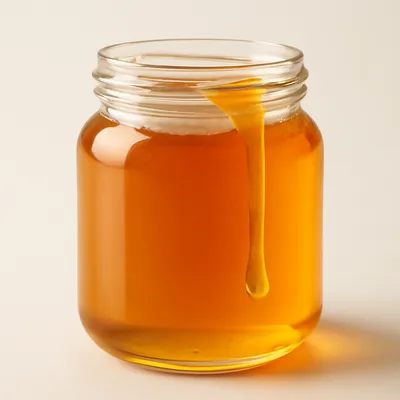
Honey is hygroscopic, so it holds moisture and keeps the cake soft and chewy for days while deepening its color. Baking soda reacts with the acidic honey to give a gentle lift, and the sugar-syrup glaze sets into a protective, glossy shell.
Variations
Jam-filled (the classic), condensed-milk filled, plain unfilled pryanik, mint or honey pryaniki from other regions, large gift-sized stamped boards
On the Palate
Where Tula Pryanik sits in the Russian flavor cloud
Ingredients
Serves 8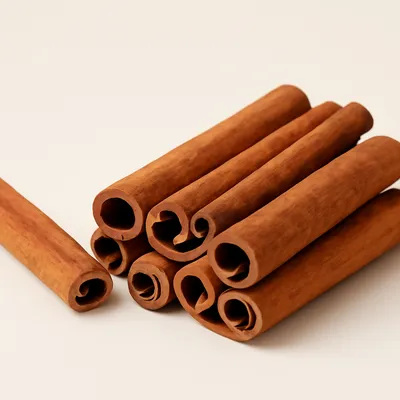

How it's made
8 steps · 40 min
- 110 min
Warm honey with sugar and butter until smooth, then cool to lukewarm.
- 25 min
Whisk in eggs and a blend of cinnamon, ginger, and clove.
- 38 min
Fold in flour with a little baking soda to form a soft, fragrant dough.
- 460 min
Rest the dough chilled so the spices bloom and it becomes easy to roll.
Watch outChill until the dough is firm and no longer tacky — a warm dough tears and won't hold the mold's pattern.
- 58 min
Roll out two thin sheets and spread thick fruit jam over one of them.
- 610 min
Lay the second sheet on top, press a patterned mold into it, and trim the edges.
- 720 min
Bake in a moderate oven until firm and lightly risen but not dark.
Watch outPull it the moment the top springs back and stays pale-gold; honey dough goes from golden to bitter-dark fast.
- 85 min
Brush the hot surface with sugar syrup glaze and let it dry to a glossy crust.
Watch outBrush the glaze while the cake is still hot so it soaks in and dries clear and glossy, not sticky.