


The diminutive of pirog (pie); pirozhki literally means "little pies." Documented in Russian cookery from the 16th century onward, with roots in earlier Slavic ritual breads. Working-class fuel by the 19th century — Dostoevsky's characters buy them on the street. The shift from oven-baked to oil-fried versions came with urbanization in the late 1800s, when street vendors needed faster turnover than a brick oven allowed.
The diminutive of pirog—little pies. Documented from 16th-century Russian cookery and named in Dostoevsky's street scenes. Oven-baked first, then late-1800s urbanization pushed vendors to oil-frying for faster turnover. Filling must be pre-cooked or the dough goes gummy from inside.
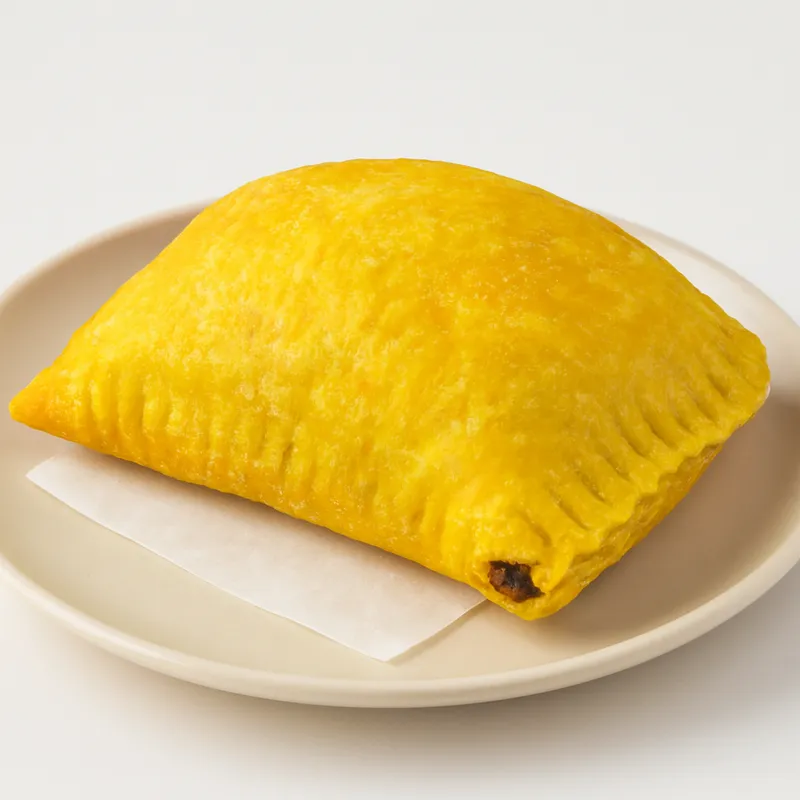
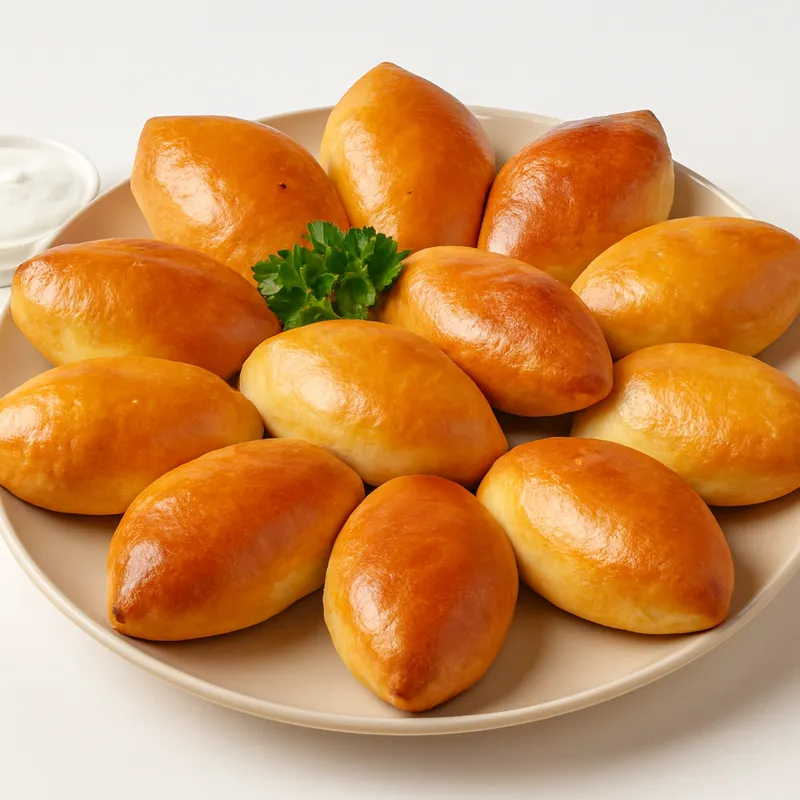
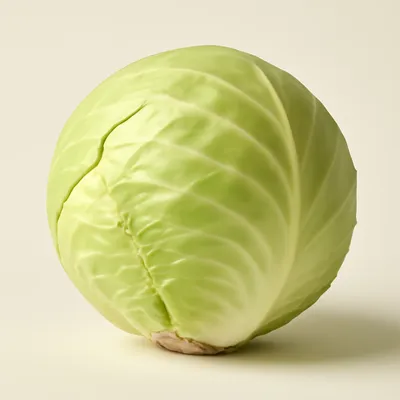
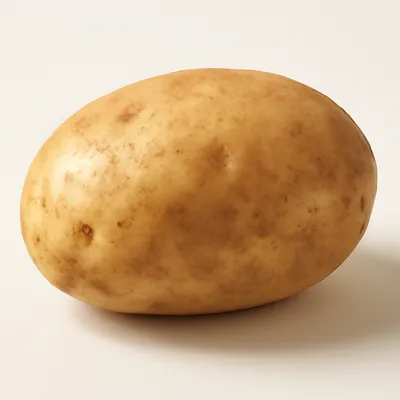
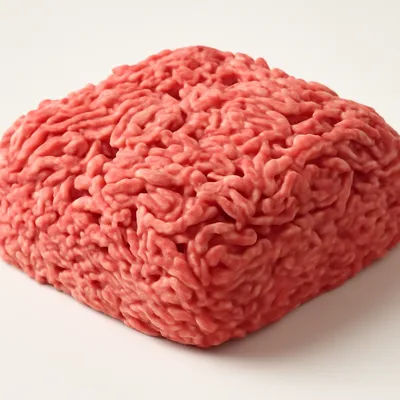
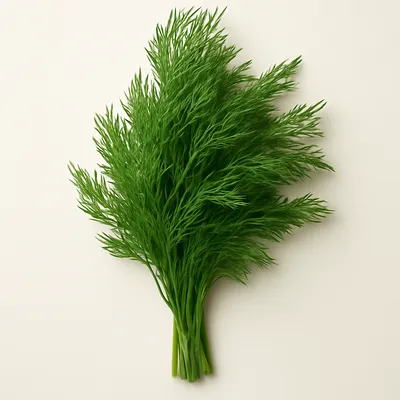
Hand-sized stuffed buns, oval or half-moon, baked golden or shallow-fried until blistered. Fillings split into savory (ground beef and onion, cabbage, mashed potato with dill (a Soviet-era addition; pre-Soviet savory fillings centered on fish, rice, semolina and cabbage), hard-boiled egg with rice and scallion) and sweet (apple, sour cherry, farmer's cheese). Eaten warm out of hand. Street food for a hundred and fifty years; train-station vendors in Russia still call them out by filling.
The dough is enriched (milk, egg, sometimes butter) and yeast-leavened — too lean and the bun goes hard; too rich and it fries unevenly. The savory fillings are always pre-cooked and cooled before wrapping; raw filling steams the dough from inside and gives a gummy crumb. Sealing the seam by pinching, not crimping, is what keeps the filling from leaking in oil.
Variations
Baked pirozhki use enriched yeast dough; fried street pirozhki blister and pop; Belarusian pirazhki are smaller and often stuffed with farmer's cheese; Siberian pelmeni are the boiled-dumpling cousin; Russian-Jewish piroshki run heavy on cabbage-and-egg or kasha.
On the Palate
Where Pirozhki sits in the Russian flavor cloud
Ingredients




How it's made
6 steps · 1 hour 5 min active + 1 hour waiting
- 15 min
In a large bowl, dissolve the yeast and sugar in warm milk. Let it sit for about 5 minutes until the mixture is frothy and bubbly, indicating that the yeast is active.
Watch outThe yeast-milk should froth and bubble within 5 minutes — no foam means dead yeast, start over.
- 210 min
Gradually add flour to the yeast mixture, stirring with a wooden spoon until a soft dough forms. Knead the dough on a floured surface until it is smooth and elastic, about 8-10 minutes.
Watch outIf the dough is sticky, add a little more flour, a tablespoon at a time, until it is manageable.
- 30 min
Cover the dough with a damp cloth and let it rise in a warm place until it doubles in size, about 1 hour.
Watch outDough is ready when it's doubled and springs back slowly from a poke.
- 415 min
While the dough rises, prepare the filling by sautéing ground meat with finely chopped cabbage and potatoes until the vegetables are soft and the meat is fully cooked.
Watch outCook the filling until the vegetables are soft and no watery liquid pools in the pan.
- 515 min
Preheat your oven to 180°C (350°F). Once the dough has risen, punch it down and divide it into small balls. Roll each ball into a flat disk and place a spoonful of filling in the center. Fold the dough over the filling and pinch the edges to seal.
Watch outMake sure to seal the edges tightly to prevent the filling from leaking during baking.
- 620 min
Place the pirozhki on a baking sheet lined with parchment paper. Brush the tops with milk or beaten egg for a glossy finish. Bake in the preheated oven until golden brown, about 20 minutes.
Watch outKeep an eye on the pirozhki towards the end of baking to prevent over-browning.
Archive tool suggestions — not reviewed
These legacy suggestions have not been evidence-reviewed and are not presented as required tools.