

A 17th-century boyar-table dish, originally peasant kulebyaka with cabbage and onion that was scaled up for nobility with salmon and sturgeon. The name and dish entered French cuisine through late-19th-century Franco-Russian culinary exchange; the French chef Auguste Escoffier published recipes for coulibiac in the early 20th century, establishing it as a French restaurant standard. The Russian original is almost extinct outside of holiday tables; the French version is what most cookbooks document.
A 17th-century boyar pie that French chef Marie-Antoine Carême took back to Paris after his 1819 visit to Tsar Alexander I — it became coulibiac in French restaurants. The crêpe layer (blinchik) between dough and salmon is the engineering trick keeping the bottom from going pasty.
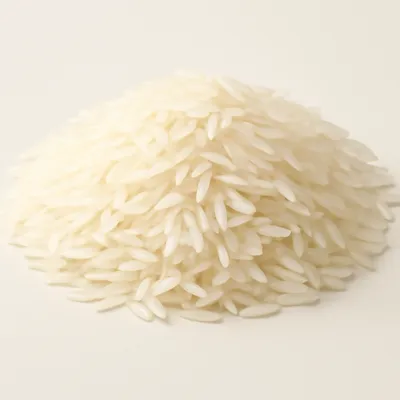
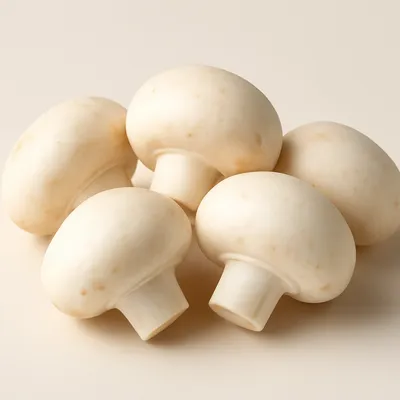
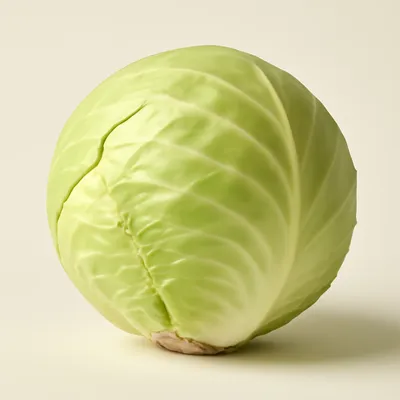
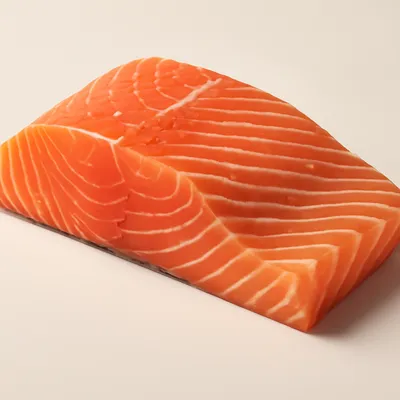
A long loaf-shaped pie, a brick of brioche-rich yeast dough wrapped around concentric layers: rice or buckwheat on the bottom, then mushrooms, then chopped hard-boiled egg, then a whole side of salmon or sturgeon brushed with butter, sometimes a layer of vyaziga (dried sturgeon notochord/dorsal cord). Sliced crosswise to show the strata. Served with melted butter poured over the cut. A Russian feast-day dish, not weekday food.
The crêpe layer between dough and filling is the engineering trick — a single thin pancake (blinchik) wraps the wet ingredients to keep moisture from soaking the dough. Skip the crêpe and the bottom crust goes pasty within an hour. Vyaziga, when used, is the load-bearing umami: the gelatinous dried spinal cord absorbs juices and binds the layers. Modern versions substitute it with extra mushroom or skip it entirely.
Variations
Carême's Parisian coulibiac (codified, French standard); peasant cabbage-and-onion kulebyaka (the original); sturgeon-and-vyaziga (court version); modern mushroom-only (vegetarian, skips the dried spinal cord).
On the Palate
Where Kulebyaka sits in the Russian flavor cloud
Ingredients



How it's made
5 steps · 1 hour 30 min active + 1 hour waiting
- 115 min
Prepare the dough by mixing flour and yeast, and knead until smooth. Let it rise in a warm place until it doubles in size, about 1 hour.
Watch outThe dough is ready when it has doubled and springs back slowly from a poke.
- 210 min
In a pan, melt butter over medium heat. Add chopped onions and sliced mushrooms, cooking until the onions are translucent and the mushrooms are golden brown, about 10 minutes.
Watch outCook the mushrooms until golden and their water has boiled off, or they will wet the filling.
- 315 min
Cook the rice until tender. It should be soft but not mushy, absorbing all the water, about 15 minutes.
Watch outAvoid overcooking the rice; it should retain its shape and not become mushy.
- 420 min
Roll out the dough into a large rectangle. Layer the cooked rice, then the fish fillets, followed by the mushroom and onion mixture. Fold the dough over the fillings and seal the edges tightly.
Watch outEnsure the edges are sealed well to prevent any filling from leaking during baking.
- 530 min
Preheat the oven to 375°F (190°C). Place the kulebyaka on a baking sheet and bake until the pastry is golden brown and crisp, about 30 minutes.
Watch outDeep golden and crisp all over is the doneness cue; tap it and it should sound hollow.
Archive tool suggestions — not reviewed
These legacy suggestions have not been evidence-reviewed and are not presented as required tools.