


The name gołąbki literally means "little pigeons" — the rolls were thought to resemble small game birds — though some linguists argue the name is a folk-etymology reshaping of a Persian/Armenian word for cabbage. Stuffed-cabbage techniques arrived in Poland from the Ottoman/Turkish dolma tradition through the Polish-Lithuanian Commonwealth's eastern contacts in the 17th–18th centuries. The name and dish are usually traced to Ukrainian hołubci, which entered Polish usage in the early 19th century — aristocratic versions wrapped an actual young dove in cabbage, giving the "little pigeons" name a literal source. Wedding and All Saints' Day staple in rural Poland.
The name means "little pigeons" — the rolls were thought to look like small game birds. Technique came in via Ottoman dolma through 17th-century Polish-Lithuanian Commonwealth contacts. Two non-obvious moves: blanch the whole cabbage head intact, and parboil the rice only halfway so it has room to swell in the bake.
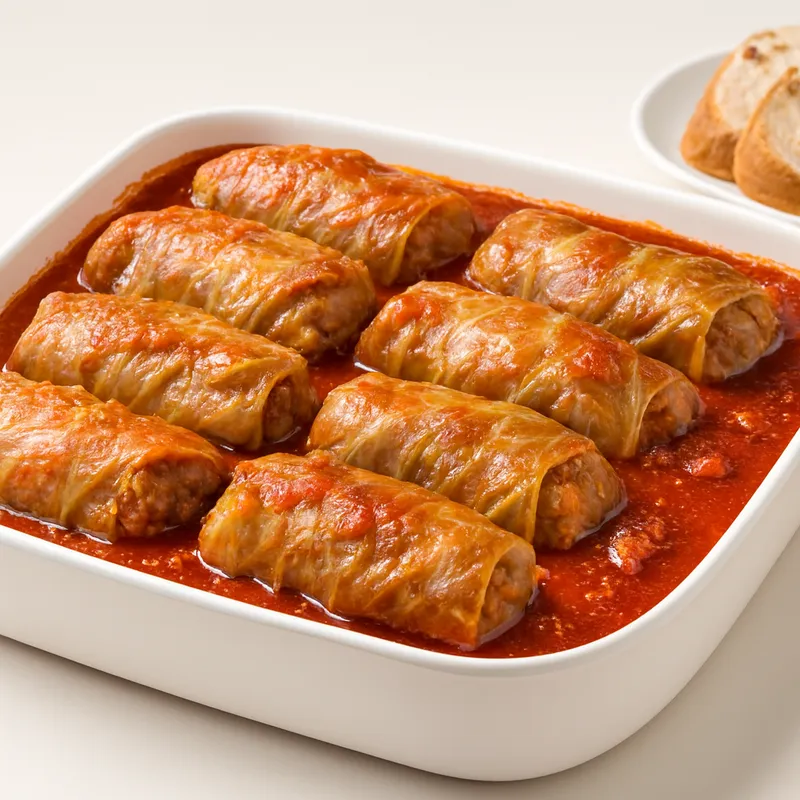
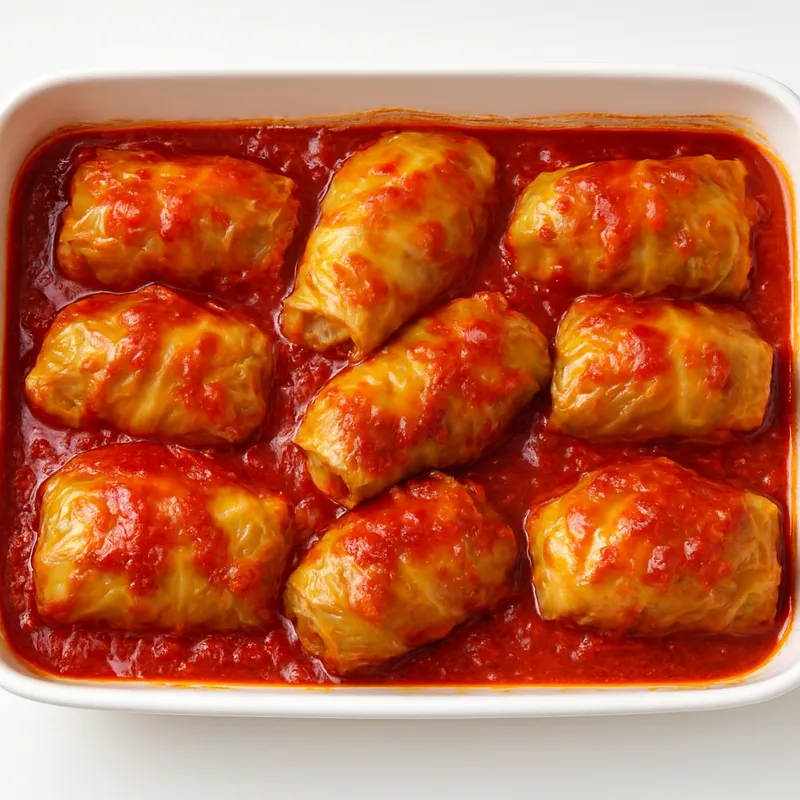
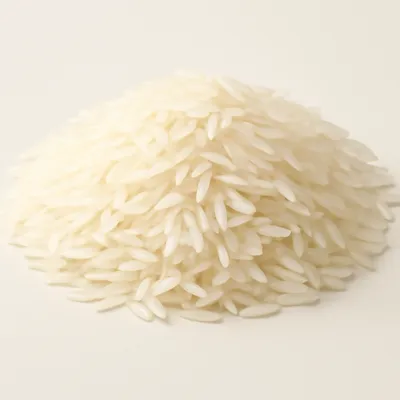
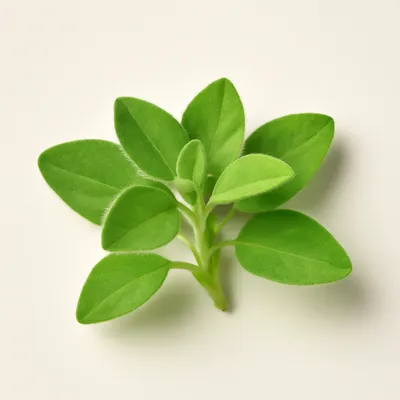
Cabbage rolls — blanched cabbage leaves wrapped around a filling of minced pork (sometimes pork-and-beef), white rice, onion, and marjoram, then baked or simmered in a tomato or mushroom sauce. The leaf goes nearly translucent; the filling is loose, not packed. Two or three to a plate, sauce ladled over, dark bread alongside.
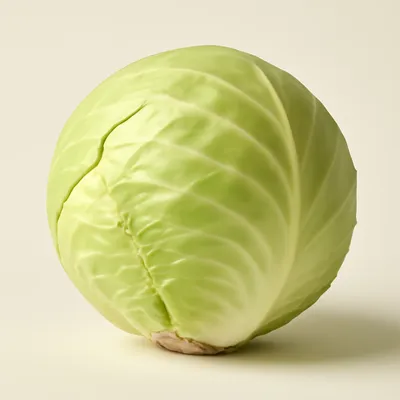
Two non-obvious moves: blanch the whole head of cabbage, not individual leaves — the leaves come off intact in one piece and stay flexible. And undercook the rice (parboil to about half-done) before mixing into the filling; rice keeps absorbing liquid in the bake, so fully-cooked rice goes mushy and pre-cooked-to-half stays toothsome. Many cooks cut a V-notch from the leaf's tough central rib so the roll lies flat.
Variations
Polish gołąbki (pork-rice in tomato or mushroom sauce); Ukrainian holubtsi run smaller with buckwheat or barley filling; Hungarian töltött káposzta uses sauerkraut leaves; Lebanese malfouf reaches the same shape via the Ottoman corridor with lamb and lemon.
On the Palate
Where Gołąbki sits in the Polish flavor cloud
Ingredients


How it's made
5 steps · 1 hour active + 45 min waiting
- 110 min
Bring a large pot of water to a boil and submerge the whole cabbage head. Cook until the outer leaves are tender and pliable, about 5 minutes. You'll know they're ready when they gently peel away without tearing.
Watch outWatch the outer leaves start to peel back on their own and turn floppy — that's the cue they're pliable enough to roll without cracking at the rib.
- 210 min
In a mixing bowl, combine the ground meat, cooked rice, and finely chopped onions. Season with salt and pepper, and mix with your hands until everything is well incorporated.
- 315 min
Carefully peel the softened cabbage leaves and lay them flat. Place a generous spoonful of the meat mixture onto the center of each leaf, then fold the sides over and roll tightly, tucking in the ends as you go.
- 420 min
Preheat a large skillet over medium heat and add a splash of oil. Place the cabbage rolls seam-side down and sear until they are lightly browned on all sides, about 5 minutes per side.
Watch outSear seam-side down first and don't move them until browned, so the seam sets and the rolls won't unravel in the sauce.
- 55 min
Transfer the browned rolls to a baking dish. Pour tomato sauce over the rolls, ensuring they are well covered. Cover the dish with foil and bake in a preheated oven at 180°C (350°F) until the rolls are cooked through and flavors meld, about 45 minutes.
Watch outKeep the rolls fully covered in sauce and sealed under foil — they should braise gently, not dry-roast, until a knife slides through with no resistance.
Archive tool suggestions — not reviewed
These legacy suggestions have not been evidence-reviewed and are not presented as required tools.