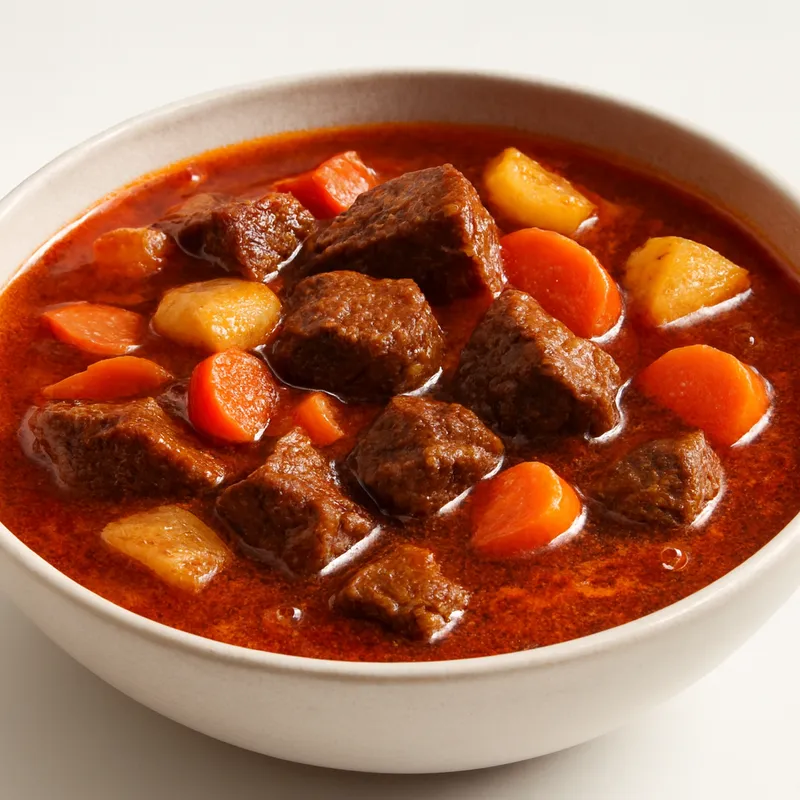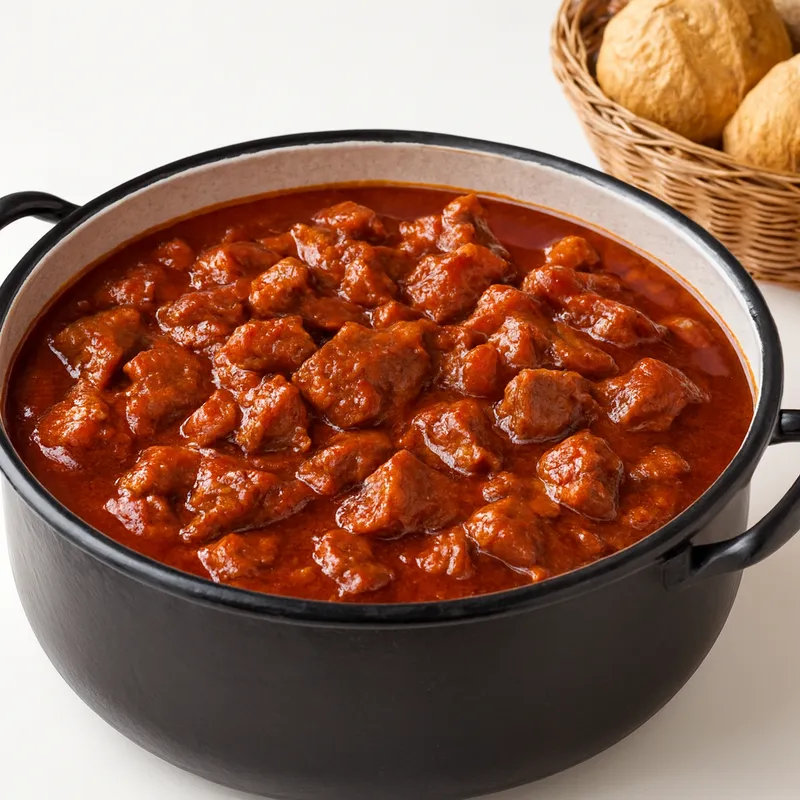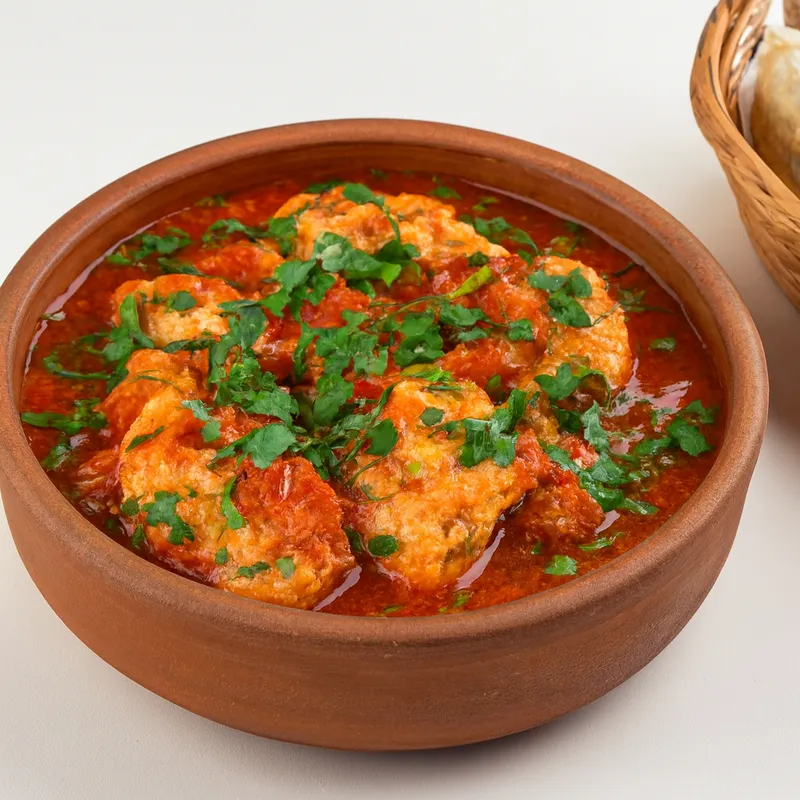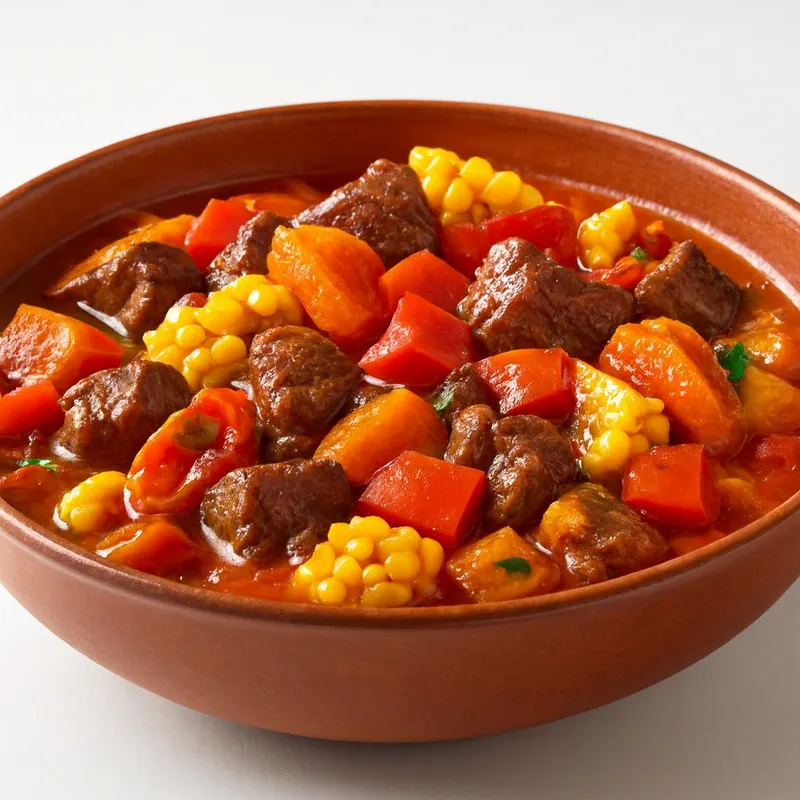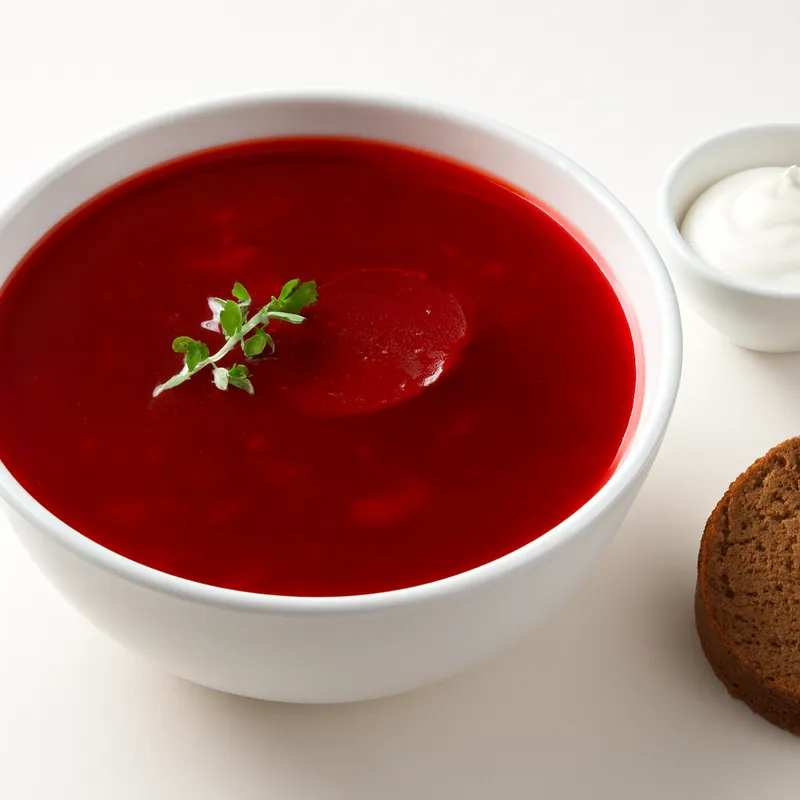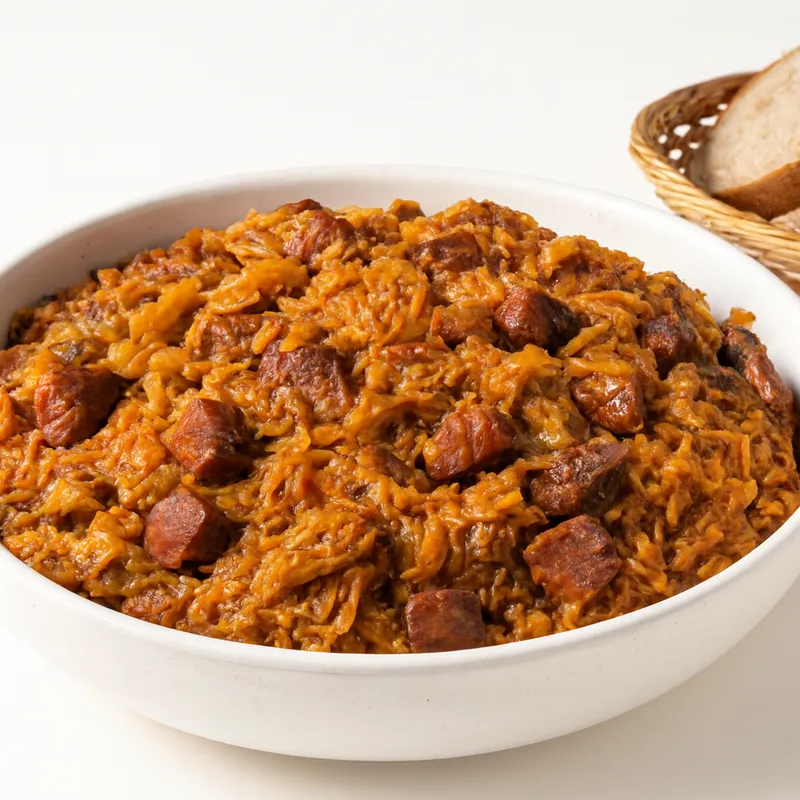
Bigos is a hearty stew made with sauerkraut, fresh cabbage, various meats, and sausages.



A nobleman's hunting stew from the 14th-century Polish-Lithuanian Commonwealth — bigos went into a pot at the start of a multi-day hunt and was reheated nightly, the long cooking improving flavor. Adam Mickiewicz's 1834 epic Pan Tadeusz devotes a famous stanza to it. Tradition holds that bigos must be cooked, cooled, and reheated at least three times; the third day's bigos is the proper one.
Mickiewicz's 1834 epic Pan Tadeusz devotes a stanza to it. Tradition says cook, cool, reheat — three times minimum. Each cycle drives Maillard further on the pot wall and lets sauerkraut's lactic acid migrate into the meat fibers; day-three bigos is the proper one.
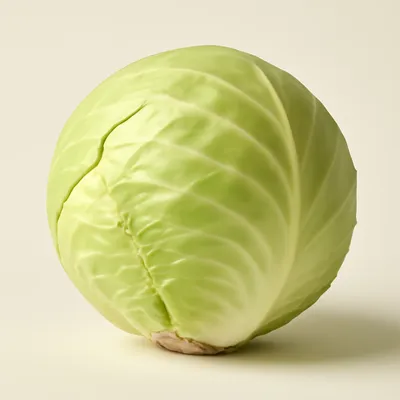
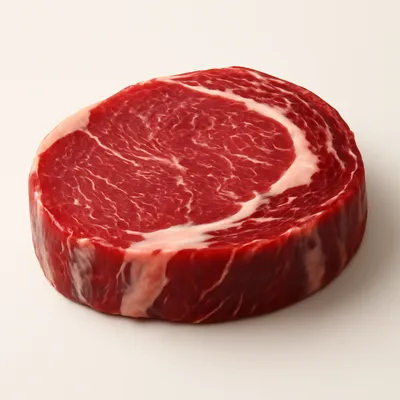
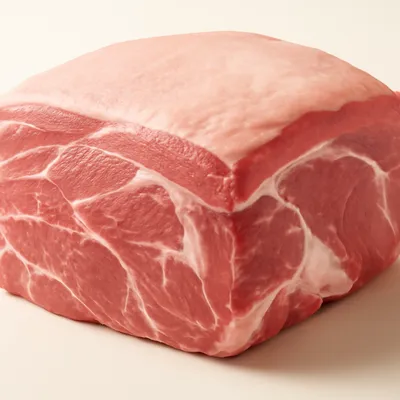
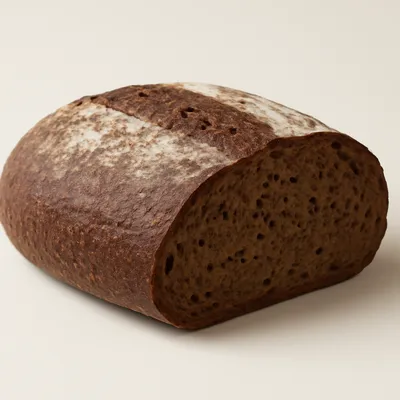
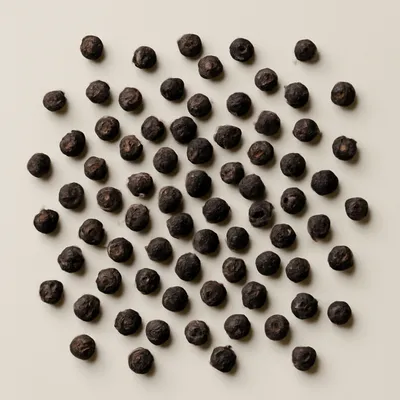
A dark, dense stew of chopped sauerkraut, fresh cabbage, and several kinds of meat — usually pork shoulder, smoked sausage, sometimes game and smoked bacon — cooked down so the cabbage almost dissolves. Prunes, juniper berries, and dried mushrooms in the background. Eaten on a hunk of dark rye bread; the stew should be thick enough that the bread soaks rather than drowns.
The sauerkraut-to-fresh-cabbage ratio is the cook's signature: too much sauerkraut and it stays sharp and one-note; too little and the stew goes bland and watery. The reheating cycles matter chemically — each cool-and-reheat cycle drives Maillard browning further on the pot's surface and lets the lactic acid from the kraut migrate into the meat fibers. A one-day bigos is technically bigos; nobody serves it.
Variations
Lithuanian-borderland bigos is heavier on game (boar, venison); Galician runs sweeter with prunes; Hunter's bigos (myśliwski) keeps the meat in larger chunks; vegetarian bigos po wegańsku swaps mushrooms and smoked tofu for the pork.
On the Palate
Where Bigos sits in the Polish flavor cloud
The sauerkraut-to-fresh-cabbage ratio is your signature and the reheating cycles are non-negotiable — each cool-and-reheat deepens the browning and pushes the kraut's lactic tang into the meat, so a one-day bigos is never the real thing.
Ingredients






How it's made
5 steps · 1 hour 40 min
- 15 min
In a large pot, heat a little oil over medium heat. Add chopped onions and sauté until translucent and fragrant, about 5 minutes.
- 215 min
Add chopped pork, beef, and sausage to the pot. Brown the meats, stirring occasionally, until they are well-seared and browned on all sides.
Watch outSear the meats until deeply browned on all sides, not just grey — that crust is where the richness starts.
- 310 min
Add sauerkraut, shredded cabbage, and sliced mushrooms to the pot. Stir to combine with the meats and onions.
- 460 min
Pour in enough water or broth to cover the ingredients. Bring to a simmer, then reduce the heat to low. Cover and stew gently for at least 1 hour, stirring occasionally.
Watch outKeep it at the barest simmer with the lid on for a full hour — you want a lazy bubble, not a rolling boil.
- 510 min
Taste and adjust seasoning with salt and pepper. For added richness, stir in a splash of red wine and let it cook for an additional 10 minutes.
Watch outTaste for the sweet-sour balance before serving; add the wine and let it cook off ten minutes so it stops tasting raw.
Archive tool suggestions — not reviewed
These legacy suggestions have not been evidence-reviewed and are not presented as required tools.