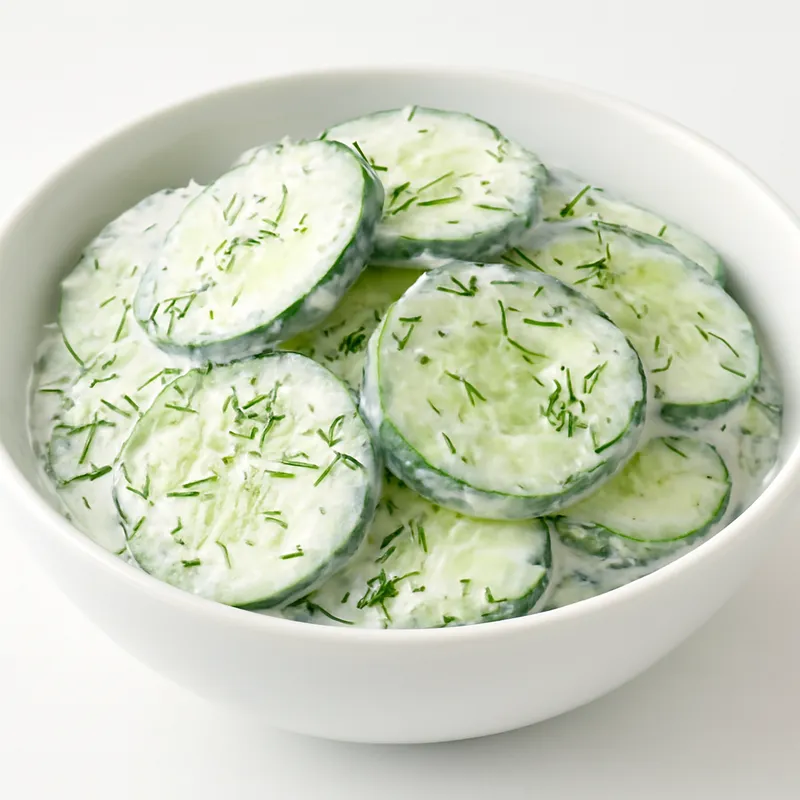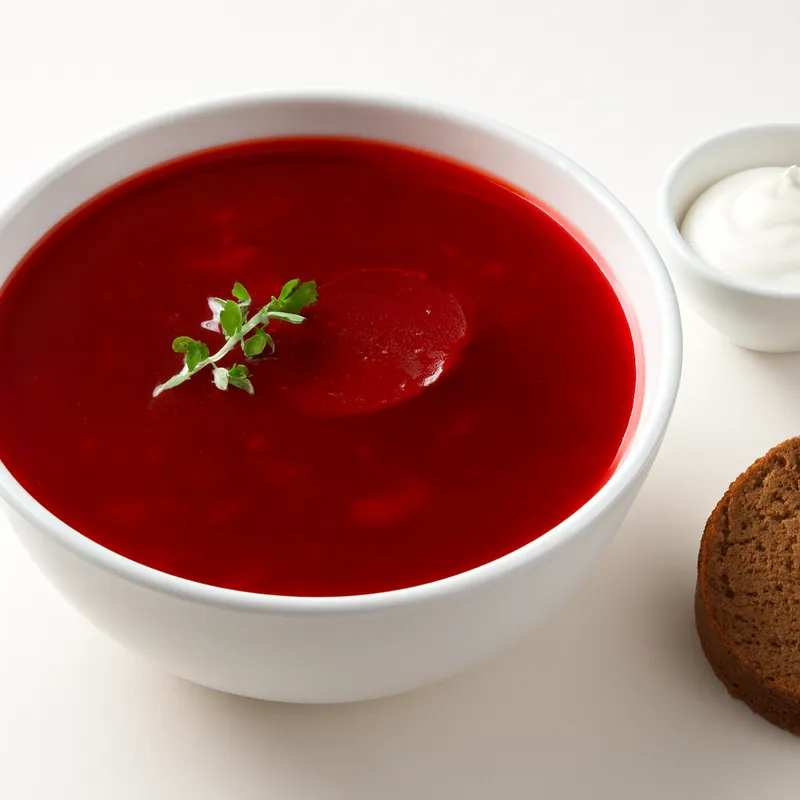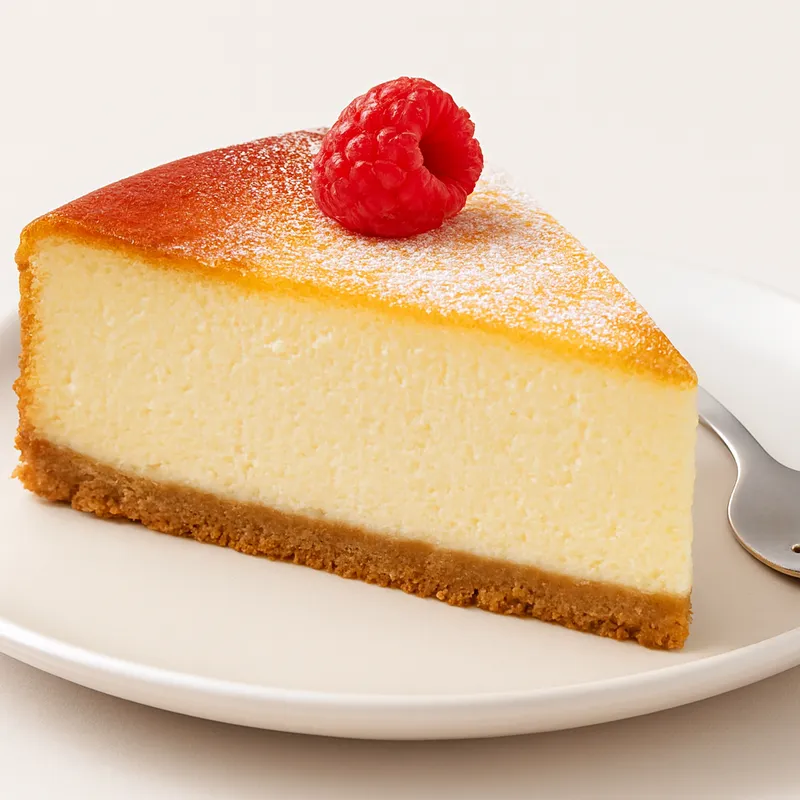
Sernik is a traditional Polish cheesecake made with twaróg, a type of fresh cheese.




Cheesecakes existed in Poland from the medieval period, but the sernik that survives today crystallized in the 18th–19th centuries when twaróg became standard in Polish dairy. King Jan III Sobieski is sometimes (apocryphally) credited with bringing back a Viennese recipe after the 1683 relief of Vienna. The Krakowski variant — with a lattice of dough on top — is the most photographed; the Wiedeński (Viennese) variant uses raisins and is more common in homes.
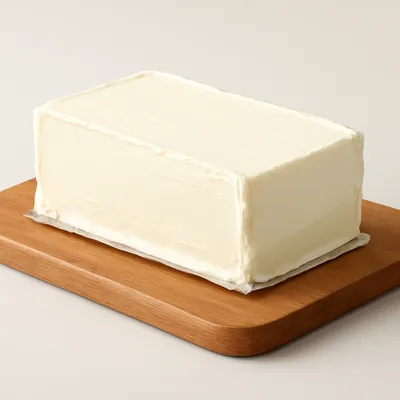
Built on twaróg, Polish farmer's cheese — drier and grainier than ricotta, more acidic than cream cheese. Pass it through a fine sieve twice; unsieved twaróg leaves visible lumps. Egg whites whipped to soft peaks fold in last, which is why a proper sernik is dense without being heavy.
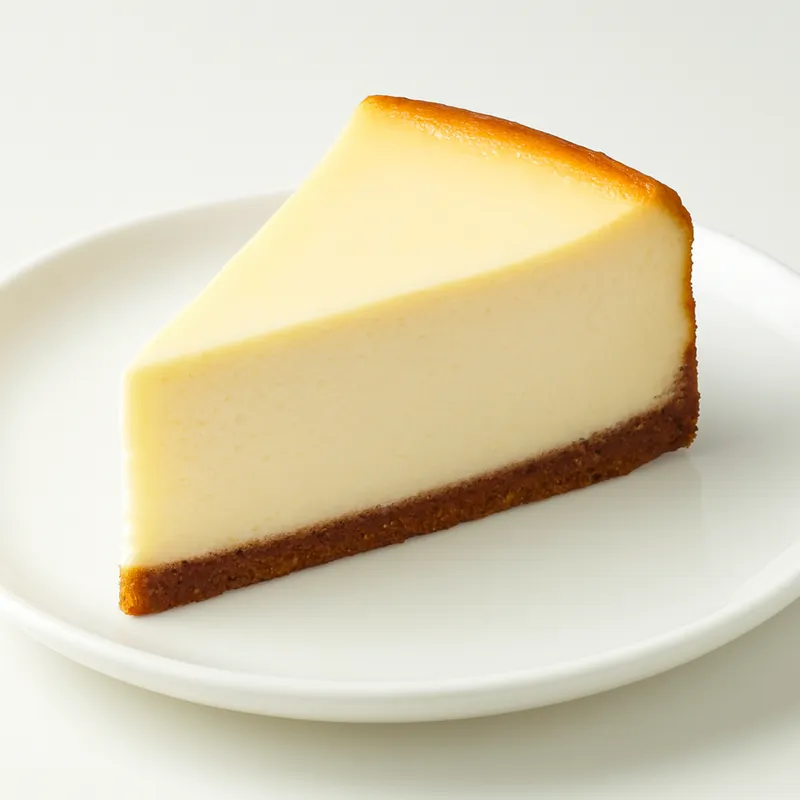
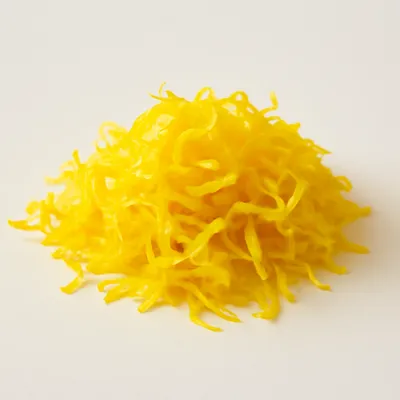
A dense, cake-like cheesecake — pale yellow, uncracked top — built on twaróg (Polish farmer's cheese) instead of cream cheese. Less sweet, more savory-tangy than American cheesecake, with a noticeable curd grain when you press a fork into it. Often shot through with raisins, sometimes a layer of crumbly shortbread base, sometimes lemon zest. Served at room temperature with strong tea.
Twaróg is the load-bearing ingredient — it's a fresh-curd cheese, drier and grainier than ricotta, more acidic than cream cheese. Pass it through a fine sieve twice (some recipes say three times) before mixing; unsieved twaróg leaves visible lumps. The eggs are separated and the whites whipped to soft peaks, folded in last — that's why a proper sernik is dense but not heavy. Substituting cream cheese is a shortcut Polish grandmothers will tell you is wrong.
Variations
Krakowski has a lattice of pastry on top; Wiedeński (Viennese-style) studs raisins through the curd; królewski adds a chocolate glaze; Bar Mleczny serves a wedge of plain twaróg sernik for under 10 złoty as the working-day pudding.
On the Palate
Where Sernik sits in the Polish flavor cloud
Twaróg is the load-bearing ingredient: sieve it fine twice so there are no lumps, and fold in soft-peak whipped whites last so the sernik sets dense but light rather than heavy.
Ingredients



How it's made
5 steps · 40 min active + 4 hours waiting
- 110 min
Preheat your oven to 160°C (320°F). In a large mixing bowl, beat the twaróg cheese until smooth and creamy. Gradually add sugar and continue beating until well combined.
Watch outBeat the twaróg until it's genuinely smooth and creamy before any sugar goes in — this is your last chance to erase graininess.
- 210 min
Add eggs one at a time, mixing well after each addition. Incorporate flour and melted butter, stirring until just combined. Be careful not to overmix, which can cause the cheesecake to crack.
Watch outStop mixing the moment the flour and butter disappear — overworked batter builds gluten and traps the cracks in.
- 310 min
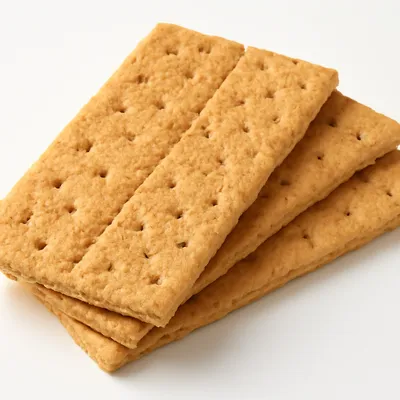
Prepare your crust by pressing the graham cracker crumbs into the base of a springform pan. Pour the cheese mixture over the crust, smoothing the top with a spatula.
- 45 min
Bake in the preheated oven until the edges are set and the center is slightly jiggly, about 60 minutes. Turn off the oven and let the cheesecake cool inside with the door slightly ajar to prevent cracking.
Watch outPull it when the edges are set but the center still wobbles like soft jelly — it firms up as it chills, and an over-baked cake goes dry and cracks.
- 55 min
Chill the cheesecake in the refrigerator for at least 4 hours before serving to allow it to fully set and develop its flavors.
Archive tool suggestions — not reviewed
These legacy suggestions have not been evidence-reviewed and are not presented as required tools.