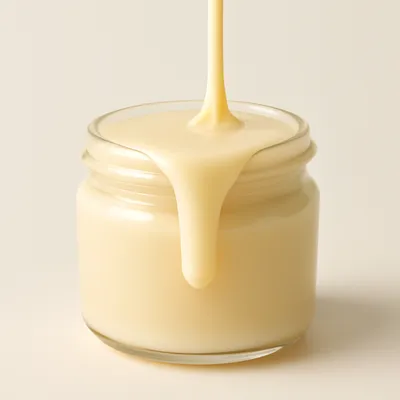
The Spanish brought flan to Cuba during the colonial period (16th century onward), itself a descendant of Roman tyropatina — egg-and-honey custards documented in Apicius. Cuban cooks shifted the formula toward sweetened condensed and evaporated milk in the 20th century once canned milk became cheaper than fresh on the island, giving Flan Cubano its denser, more caramel-forward profile than peninsular Spanish flan.
Roman tyropatina via Apicius, brought to Cuba by Spaniards, then rewritten in the 20th century when canned milk got cheaper than fresh. Condensed milk does the sweetening, evaporated does the body — that's why it sets denser than peninsular Spanish flan. Bain-marie at 160°C; higher and the eggs scramble into a weeping texture.
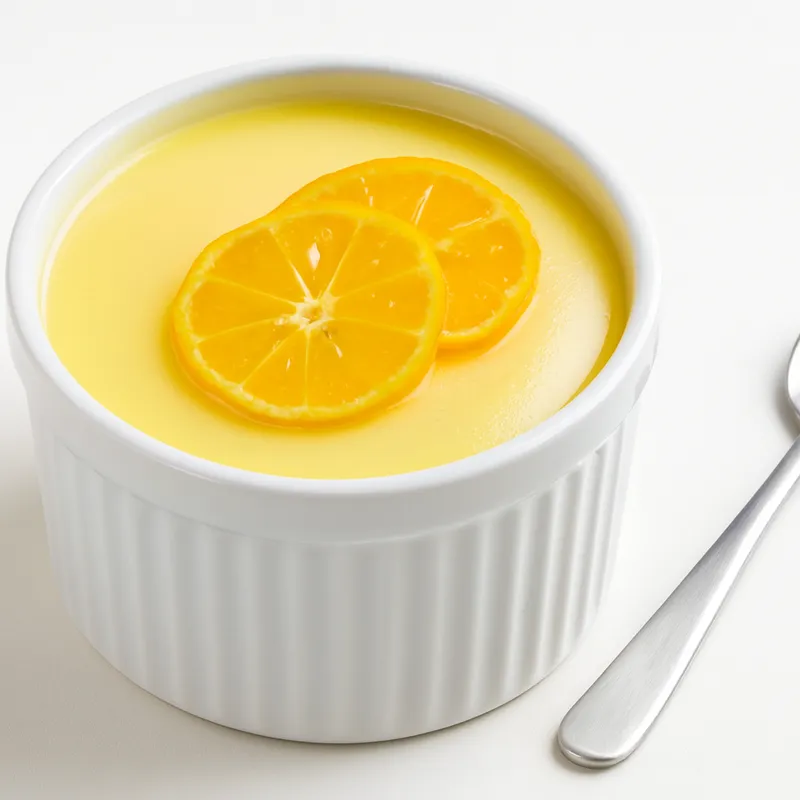
Pale gold custard inverted onto a plate, dark caramel running down the sides into a syrup pool. Egg-heavy, dense, almost cheese-firm — closer to crème caramel than the wobblier French pot de crème. The caramel is taken to bitter-edge before the milk goes in, so it cuts the sweetness. Eat cold; warm flan splits.
The Cuban move is condensed milk doing the sweetening and evaporated milk doing the body — no fresh dairy. That's why it sets harder and tastes of cooked-milk caramel even before the topping. Bake in a bain-marie at 160°C / 320°F; any higher and the eggs scramble into a porous, weeping texture. The caramel must be poured into the mold first and hot — it dissolves into syrup as the flan chills overnight.
Variations
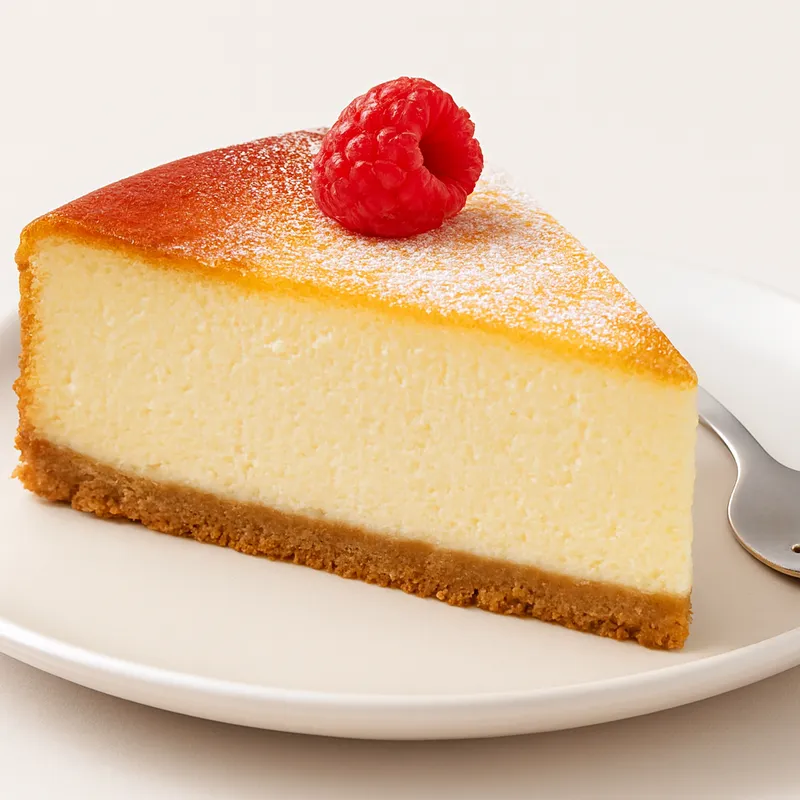
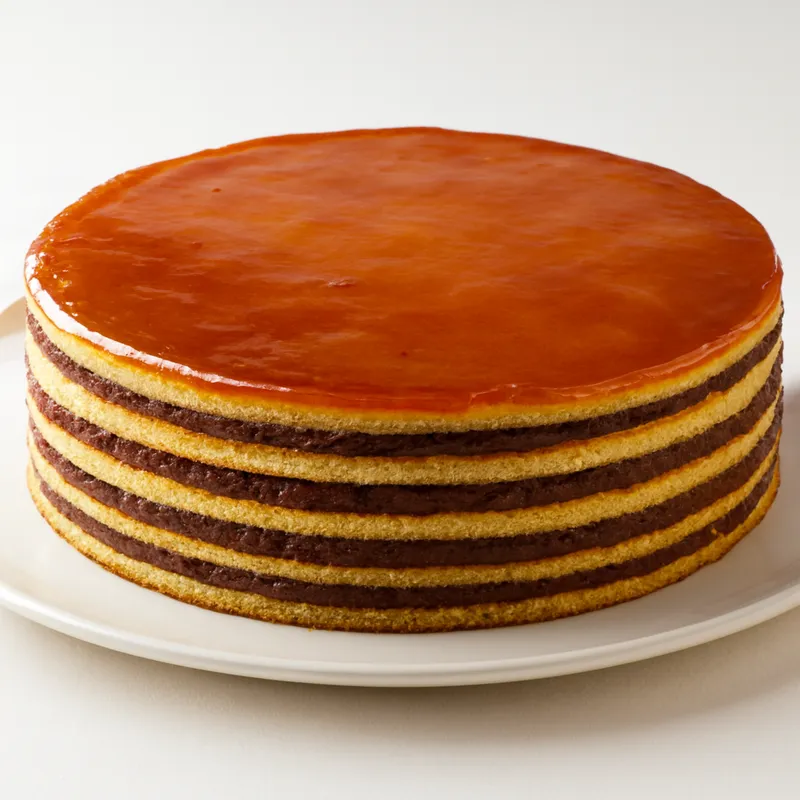
Flan de queso adds cream cheese for a denser body; flan de coco uses coconut milk; Mexican flan napolitano runs lighter and uses fresh milk; Filipino leche flan is yolk-only and even denser, steamed not baked.
On the Palate
Where Flan Cubano sits in the Cuban flavor cloud
Bake it in a bain-marie held at 160°C, because gentle wet heat is what sets the custard silky; any hotter and the eggs scramble into a porous, weeping flan.
Ingredients


How it's made
5 steps · 1 hour 10 min active + 15 min waiting
- 110 min
In a small saucepan, melt sugar over medium heat, stirring gently until it turns a deep amber. The caramel should be smooth and fragrant. Quickly pour it into your flanera or casserole dish, tilting to coat the bottom evenly.
Watch outPull the caramel the instant it hits deep amber and smells nutty; a shade past and it turns bitter and black.
- 25 min
In a mixing bowl, whisk together the whole egg and egg yolks until combined. Add the evaporated milk, sweetened condensed milk, and vanilla extract, stirring until smooth and creamy.
- 35 min
Pour the custard mixture over the cooled caramel in the flanera. Cover with the lid or foil. Place the flanera in a larger baking pan and fill the pan with hot water halfway up the sides of the flanera.
- 445 min
Bake in a preheated oven at 350°F (175°C) for 45 minutes. The flan should be set but still jiggle slightly in the center. Turn off the oven and let it sit for another 15 minutes.
Watch outIt's done when the edges are set but the center still wobbles like soft jelly, about 45 minutes.
- 55 min
Remove the flan from the water bath and let it cool to room temperature. Run a knife around the edges, invert onto a plate, and chill for at least an hour before serving.
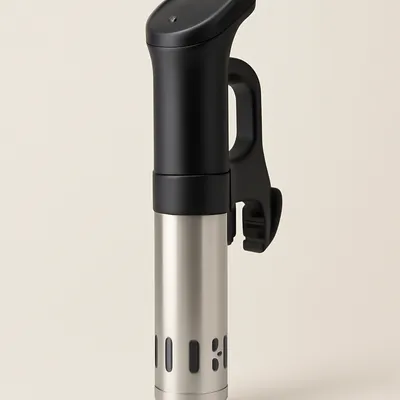
Archive tool suggestions — not reviewed
These legacy suggestions have not been evidence-reviewed and are not presented as required tools.