

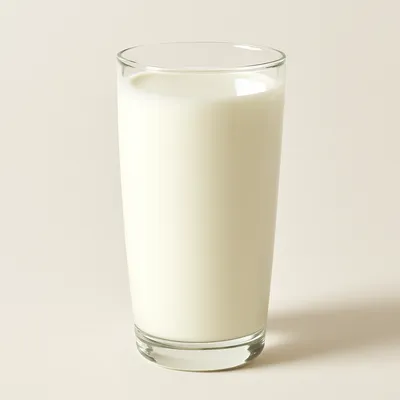


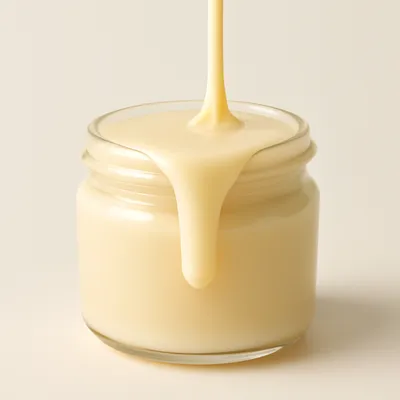
A modern Filipino pastry-kitchen variation on Spanish-derived leche flan, which arrived during the colonial period (1565–1898). Where leche flan uses condensed milk and a heavy yolk count, calamansi custard substitutes the local citrus to cut the sweetness. The dish belongs to the post-1990s wave of Filipino chefs reworking Iberian dessert templates with native ingredients.
A post-1990s Filipino pastry-kitchen rework of Spanish-derived leche flan — calamansi cuts the condensed-milk sweetness. Acid added too early curdles dairy below 70°C; juice and zest fold in last or after baking.
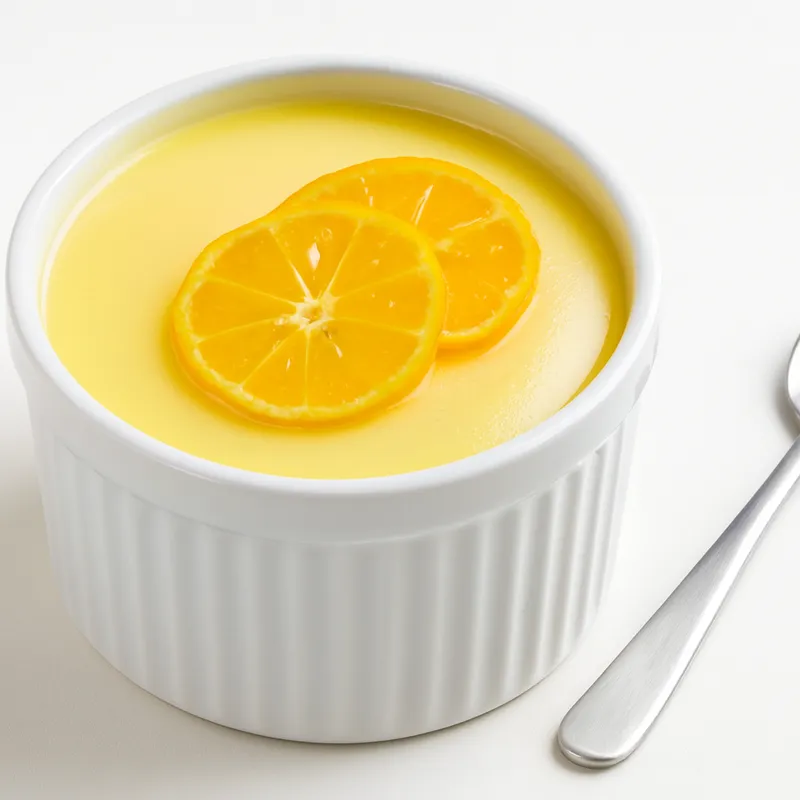
A pale-yellow set custard, soft enough to spoon through but holding its shape, scented sharply with calamansi zest and juice. The first taste is creamy egg, the back of the tongue catches the citrus — more floral than lemon, more tart than mandarin. Served chilled, often with a thin caramel layer or a calamansi-syrup glaze. If the citrus reads as lemon, the cook used lemon.
Calamansi acid will curdle dairy below 70°C if added too early. The technique is to temper hot cream into yolks, set the custard, then fold in juice and zest at the end — or bake with zest only and brush juice on after. Acid added at the start gives a grainy, broken set; the texture has to stay velvety or the dish reads like sweet scrambled eggs.
Variations
Tartine-style baked with crème brûlée torch finish (Manila Wildflour); steamed in llanera molds at Toyo Eatery as a service-line dessert; Margarita Forés serves a calamansi panna cotta riff with the same acid logic; some Cebu kitchens fold in mango purée for a two-citrus version.
On the Palate
Where Calamansi Custard sits in the Filipino flavor cloud
Temper the warm milk into the yolks and only fold the calamansi juice in at the very end — calamansi acid curdles dairy below 70°C, so juice added early breaks the custard into sweet scrambled eggs instead of a velvety set.
Ingredients

How it's made
4 steps · 25 min active + 1 hour waiting
- 15 min
In a mixing bowl, whisk together egg yolks, sugar, and calamansi juice until smooth and well combined.
- 25 min
In a saucepan, gently heat milk and vanilla over low heat until just warm, not boiling. Gradually whisk the warm milk into the egg mixture.
Watch outWarm the milk only until it steams and feels hot to a fingertip, never to a boil, or it will scramble the yolks going in.
- 310 min
Pour the mixture back into the saucepan and cook over low heat, stirring constantly, until it thickens enough to coat the back of a spoon, about 10 minutes.
Watch outThe custard is done the instant a finger swiped across the coated spoon leaves a clean line that holds — go past that and it curdles.
- 45 min
Strain the custard through a fine-mesh sieve into a clean bowl to remove any cooked egg bits. Let it cool slightly before chilling in the refrigerator.
Archive tool suggestions — not reviewed
These legacy suggestions have not been evidence-reviewed and are not presented as required tools.

Hand-held wire loop tool for beating eggs, whipping cream, emulsifying dressings, and incorporating air into batters. Balloon whisks (large round head) for whipping cream and meringues; French whisks (narrow tear-drop) for sauces in pots; flat whisks (gravy) for pan sauces. Stainless steel is universal; silicone-coated for non-stick pans.

Round metal pot, 14-26 cm diameter, with vertical walls and a long handle, designed for sauces, soups, oatmeal, rice, boiled vegetables. The vertical walls minimize evaporation (vs. a sauté pan). Sizes: 1 qt for melting butter, 2-3 qt for sauces, 4 qt for soups. Stainless-steel-clad aluminum or copper is best for conduction; cast-iron is too thick for delicate sauces.