
Luzon
Adobo, sinigang, Manila lechon — the mainland canon.
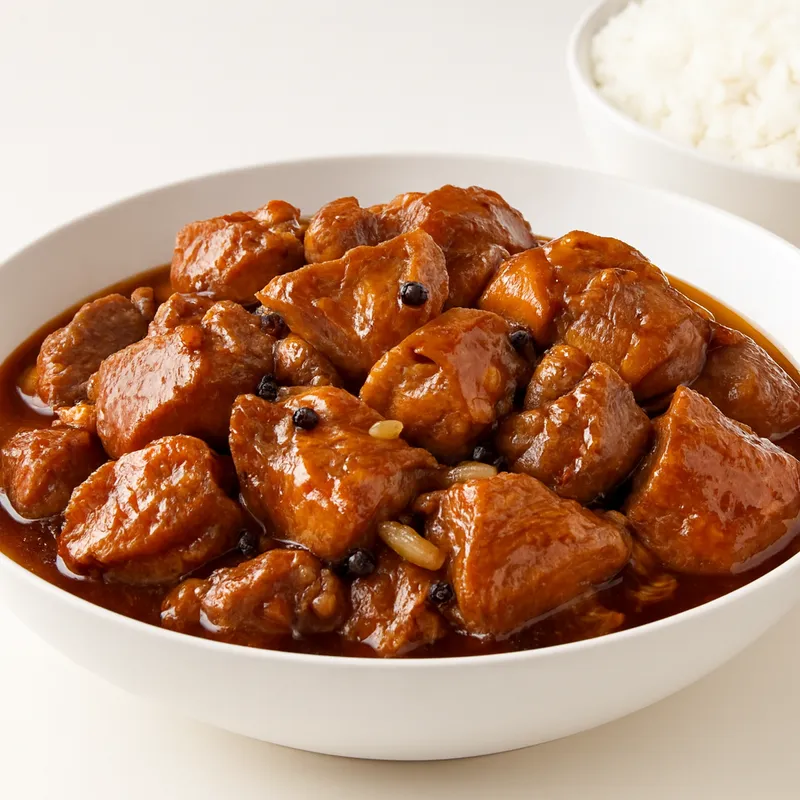
Adobo
The national dish of the Philippines, meat braised in vinegar, soy sauce, garlic, and black peppercorns
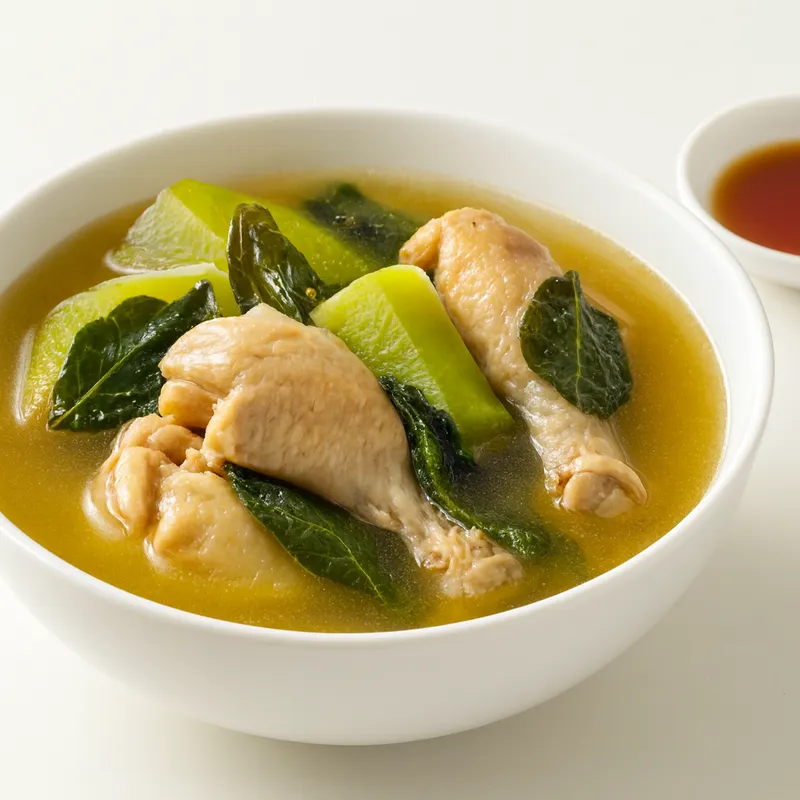
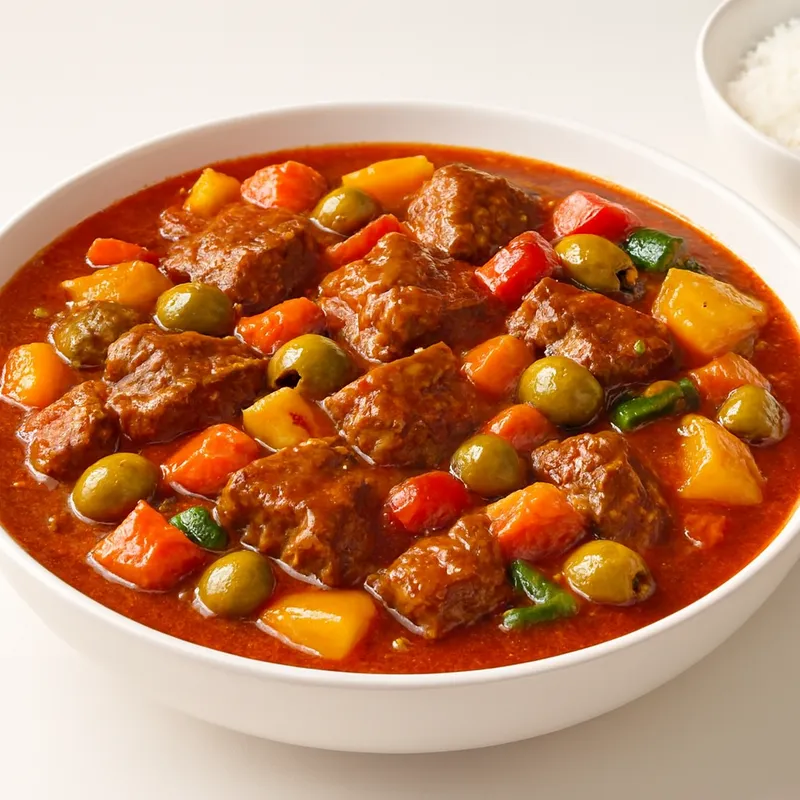
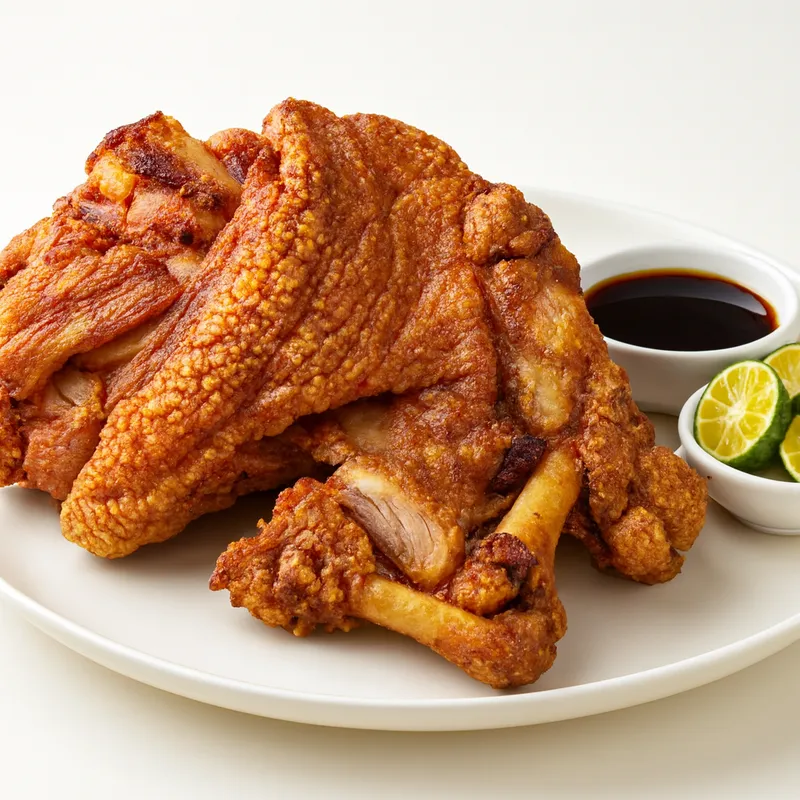
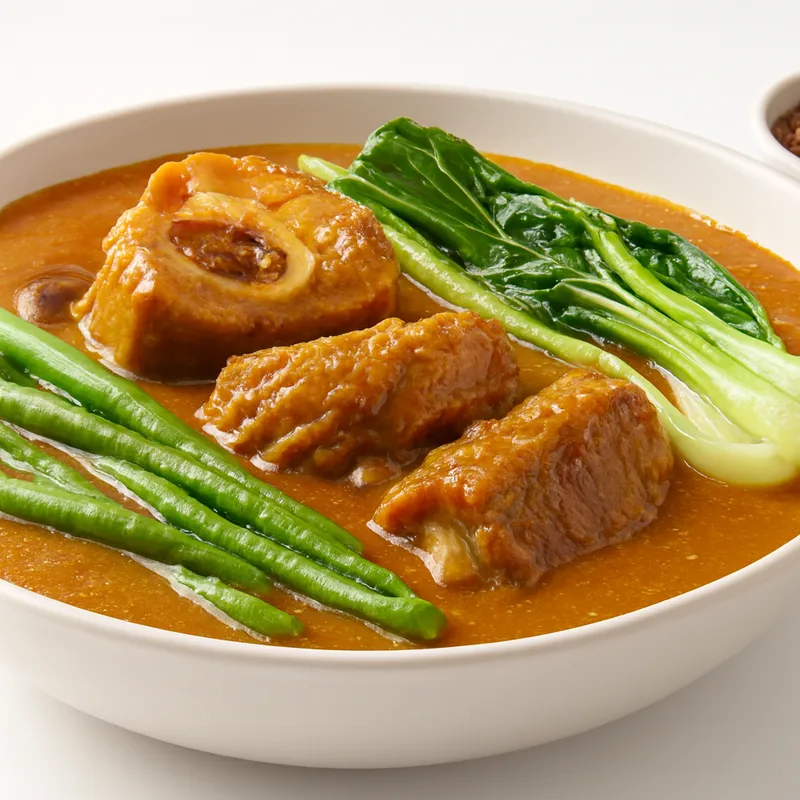
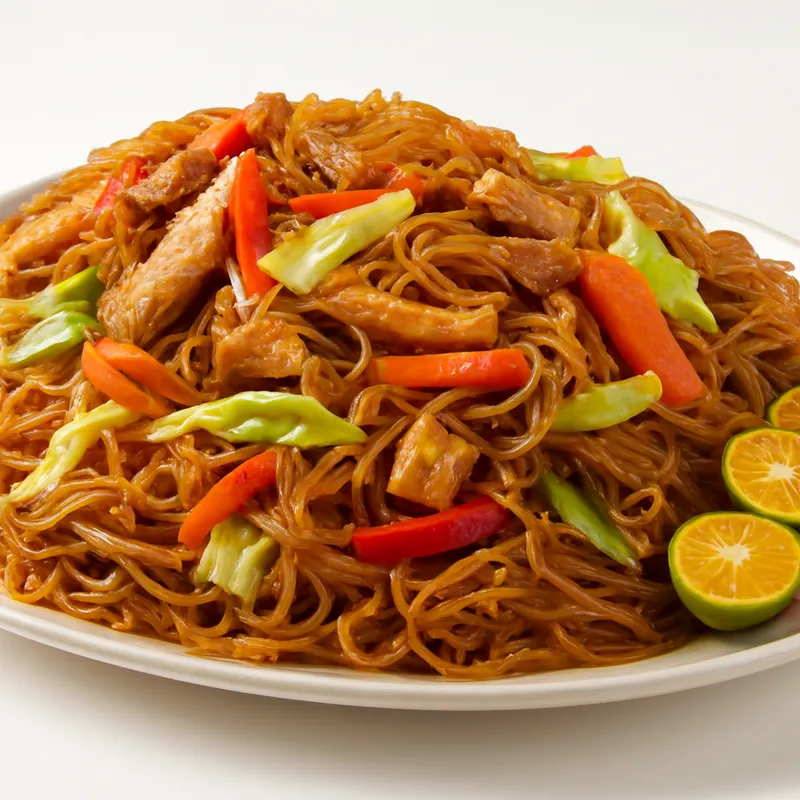
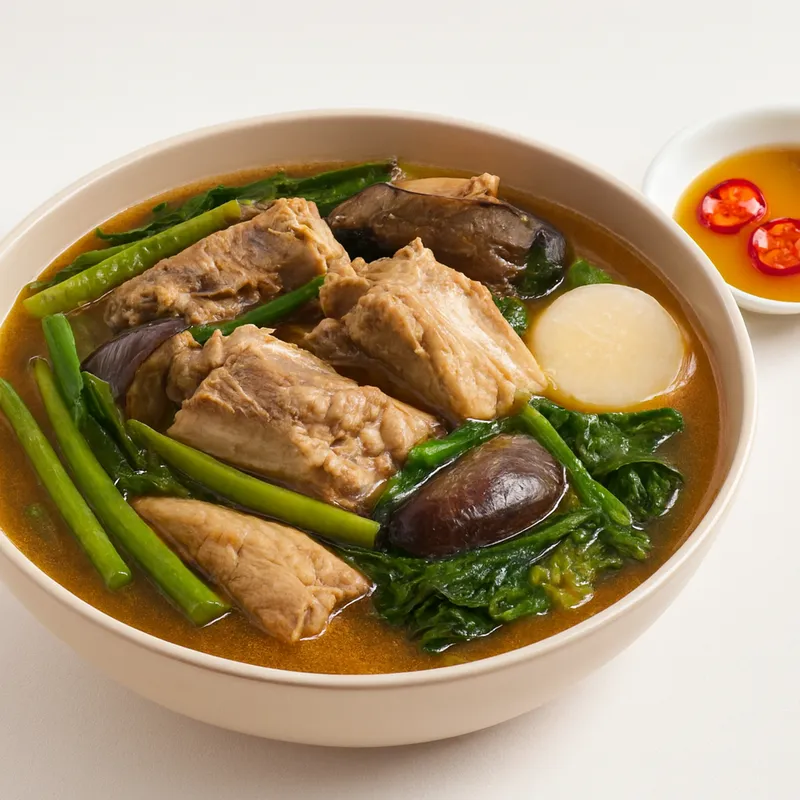
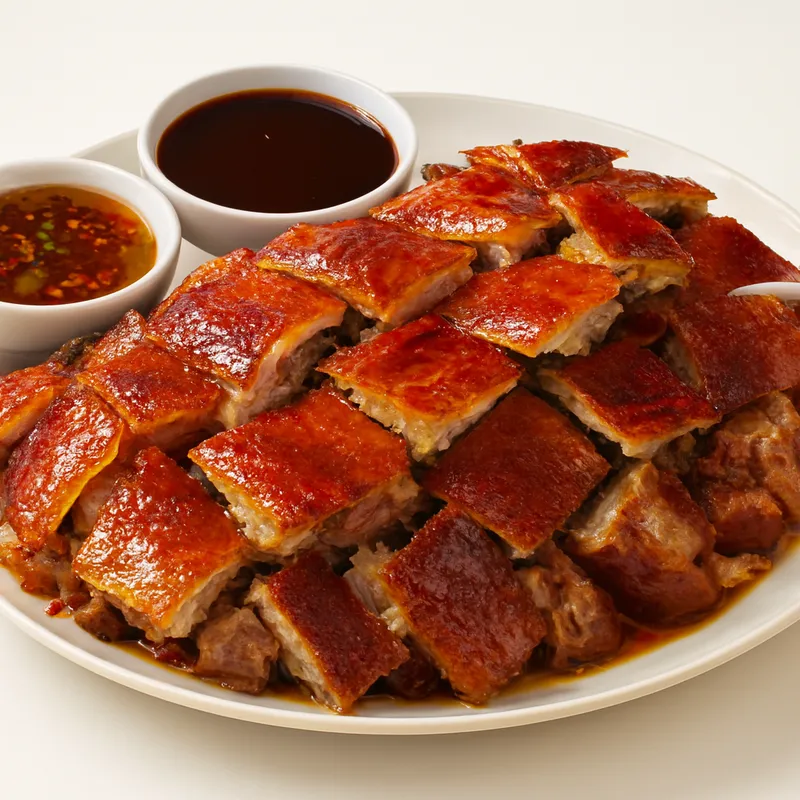
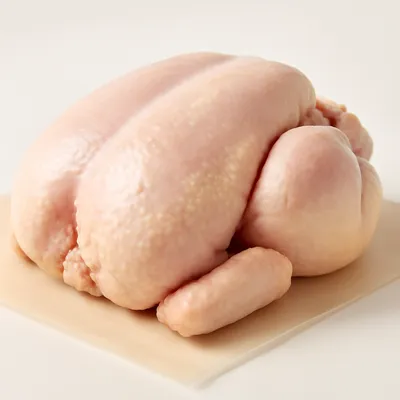
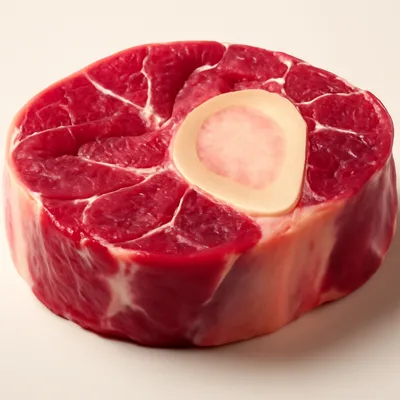
View page →Luzon is the biggest island and the home of the dishes most people mean when they say 'Filipino food.' Adobo (vinegar-soy-garlic braised meat) is the unofficial national dish and exists in countless variations: chicken, pork, squid (adobong pusit), even vegetable. Sinigang (sour tamarind soup) is the umbrella for half a dozen sour broths. Lechon Manila — whole roast pig with crispy skin — anchors every important Filipino celebration. Around these centerpieces cluster the everyday plates: kare-kare's peanut-oxtail stew, pancit's stir-fried noodles, sisig's sizzling pig face, bicol express's coconut-chili pork.
Within Luzon, regional cooking gets specific. Manila Tagalog cooking is the most-exported (the lechon, the adobo, the merienda snacks). Bicol cuisine in the southeast — Bicol Express, Laing — is the spiciest in the Philippines, using chilies that the rest of the country fears. Ilocos cuisine in the northwest is salty-and-bitter (pinakbet, bagnet). Pampanga is the food capital, known for sisig and complex Spanish-Filipino crossovers. The Luzon table is where Filipino food meets Spain meets China meets the Pacific.
Start Here
Every Filipino family has their own ratio of vinegar to soy — don't ask which is right.
Why start here · Adobo is the Philippines' national dish and the first thing every Filipino home teaches a new cook.
Sour from tamarind, not lemon — the difference matters.
Why start here · Sinigang is the Filipino comfort soup — the dish people miss when they leave the country.
Manila version uses simple salt-pepper; eat with liver sauce on the side.
Why start here · Lechon is the Filipino celebration centerpiece — every important meal has a whole pig on the table.
The Pantry






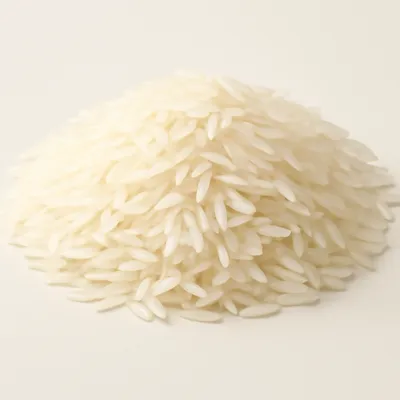

See all 127 ingredients›
































Dairy & Fats











How They Cook
Techniques that define this cuisine
Kindred Kitchens
Cuisines built on the same signature ingredients
Other regions
Siblings within Filipino — each its own tradition.