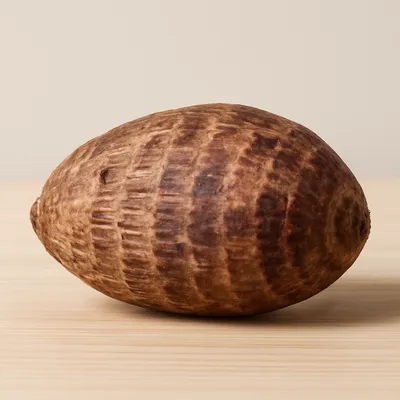
Creamy, starchy flesh with a subtly sweet, nutty flavor; when cooked, taro emits a comforting aroma reminiscent of freshly baked bread. A staple in Asian and Pacific cuisines, it’s often used in both savory and sweet dishes.
Where it comes from
Taro holds a revered place in Polynesian cultures, where it is known as 'kalo' and is used in traditional dishes such as poi. Its cultivation dates back thousands of years, making it one of the earliest domesticated crops.
In the kitchen
Taro is typically boiled, mashed, or roasted, contributing a rich texture to soups, stews, and desserts. Its ability to absorb flavors makes it a versatile base for both sweet and savory preparations.
Nutrition (per 100g)
153kcalCal
3.4gProtein
3.3gFat
17.0gCarbs
3.2gFiber
Pairs well with

Coconut Milk
Simmer taro in coconut milk until soft. The creamy sweetness of coconut wraps the starchy taro, creating a smooth, comforting blend.

Pork
Braise taro with pork. The meat's savory juices seep into the taro, turning it tender and deeply flavorful.

Ginger
Add ginger slices when boiling taro. The sharp warmth of ginger cuts through the taro's earthiness, adding a fresh zing.