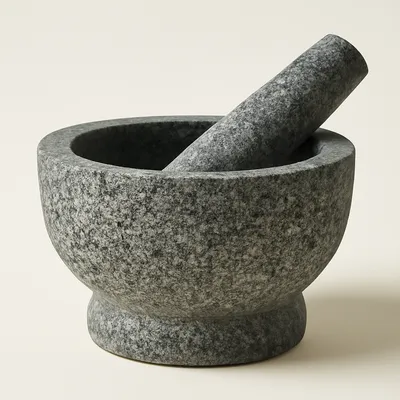
The staple carbohydrate of Hawaiians for over a thousand years before Western contact, made from kalo (taro) — a plant Polynesian voyagers carried with them across the Pacific. Kalo holds deep spiritual weight in Hawaiian cosmology: in the genealogy of Wākea and Hoʻohōkūlani, the stillborn first child Hāloa-naka became the first taro plant, and the second child — ancestor of the Hawaiian people — was named Hāloa after him, making kalo the literal elder sibling of Hawaiians. A bowl of poi at the table is treated with reverence; tradition holds that when it is uncovered the ancestor Hāloa is present, and family conflict must cease. Pounding poi (kuʻi ʻai) on a wooden board with a stone pestle was a respectful, near-ceremonial act, not just food prep.
Made from kalo (taro) for over a thousand years — Polynesian voyagers brought the plant from around 1000 CE. Counted by finger thickness: 'one-finger' is thick, 'three-finger' loose. Day-two sour poi is what elders prefer; tourists meet only fresh poi and call it bland.
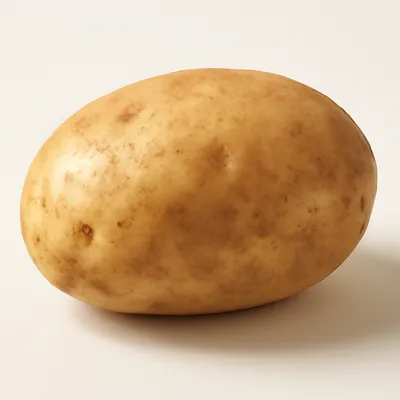
A purple-grey paste the color of wet cement, traditionally eaten with two fingers straight from the bowl. Fresh poi is smooth, sweet and starchy like cooked potato; let it sit a day or two and lactic fermentation kicks in — sour, tangy, almost yogurt-like. Counted by finger thickness: "one-finger poi" is thick, "three-finger" is loose enough to scoop with three fingertips.
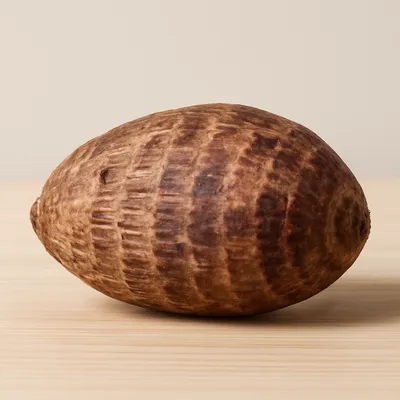
Taro corm contains needle-like calcium oxalate crystals that irritate the mouth and throat raw — it must be steamed for hours before pounding to break them down, which is why uncooked poi doesn't exist. The steamed corm is pounded on a wooden board (papa kuʻi ʻai) with a stone pounder (pōhaku kuʻi ʻai), first into a stiff un-watered mass and then with water worked in until smooth; pounding releases starch granules that water-bind into that tacky texture, while modern blender poi is grainier. It is eaten fresh (mild and sweet) or left to ferment over one to several days; the soured version is the one elders prefer, and newcomers meeting fresh poi often call it bland because they're tasting starch before fermentation has done its work.
Variations
Named by how many fingers it takes to scoop: one-finger (thick, near-solid, traditional and ceremonial); two-finger (everyday, most common); three-finger (loose, easier to scoop). Paʻi ʻai is the dense, un-watered or lightly-watered pounded mass with a mochi-like texture; commercial supermarket poi is the usual tourist gateway.
On the Palate
Where Poi sits in the Hawaiian flavor cloud
Ingredients
How it's made
4 steps · 25 min active + 45 min waiting
- 15 min
Peel and cut taro root into large chunks. Rinse under cold water to remove excess starch.
- 25 min
Place the taro chunks in a large pot and cover with water. Bring to a boil and then reduce to a simmer until the taro is tender and can be easily pierced with a fork, about 45 minutes.
Watch outSimmer until a fork slides in with zero resistance — undercooked taro stays mouth-itchy from the oxalate crystals, so err long, not short.
- 310 min
Drain the taro and allow it to cool slightly. Mash the taro with a potato masher or blend in a food processor, adding water gradually until you reach a smooth, thick consistency.
Watch outAdd water a splash at a time while mashing — too much at once and it goes soupy with no way back; you want it thick and clinging.
- 45 min
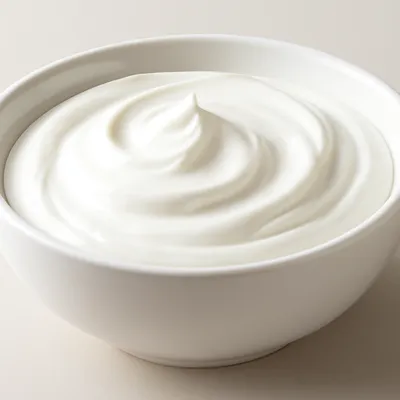
Continue to mix until the poi is smooth and slightly elastic, adjusting water as necessary. The poi should have a consistency similar to thick yogurt.
Watch outKeep working it until it turns glossy and pulls back a little when you lift the masher — that slight stretch is the sign the starch has bound.
Archive tool suggestions — not reviewed
These legacy suggestions have not been evidence-reviewed and are not presented as required tools.