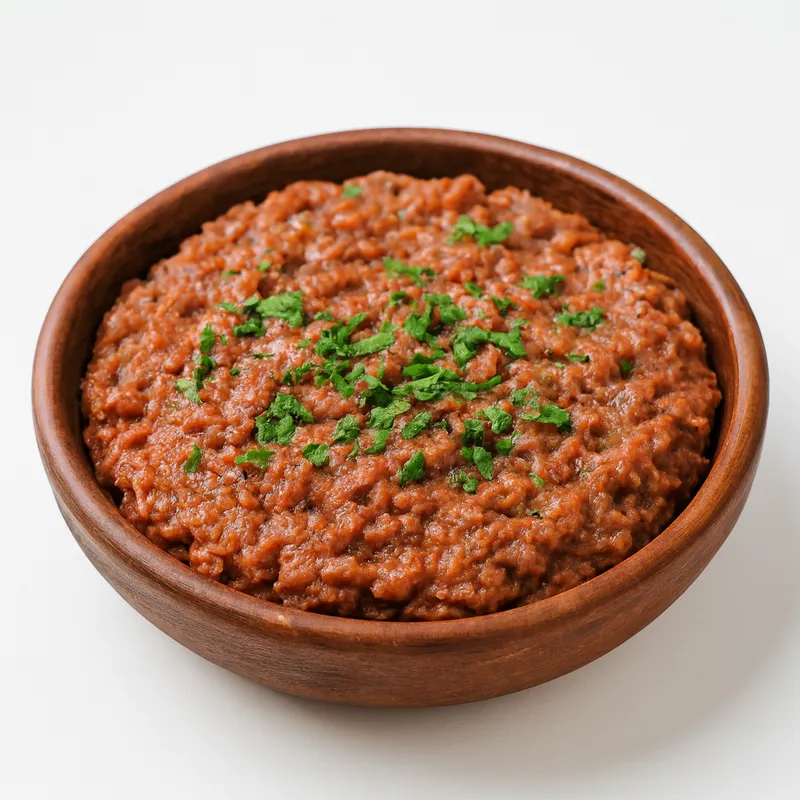





Pre-Columbian in origin, from the Andean highlands of what's now northwestern Argentina, Bolivia, and Peru — a Quechua dish (the word is from Quechua "ruqru") built on the squash-corn-bean trinity that predates Spanish contact. After colonization, beef and pork joined the original recipe. It is the fixed national dish for Argentina's patriotic holidays — the May 25 anniversary of the May Revolution and July 9 Independence Day — eaten across the country regardless of regional cuisine otherwise.
Pre-Columbian Andean stew built on the corn-squash-bean trinity; the word is Quechua ruqru. Argentina's fixed dish for May 25 Independence Day. Dried hominy is load-bearing — soak overnight, simmer four to six hours so the starch thickens the broth.
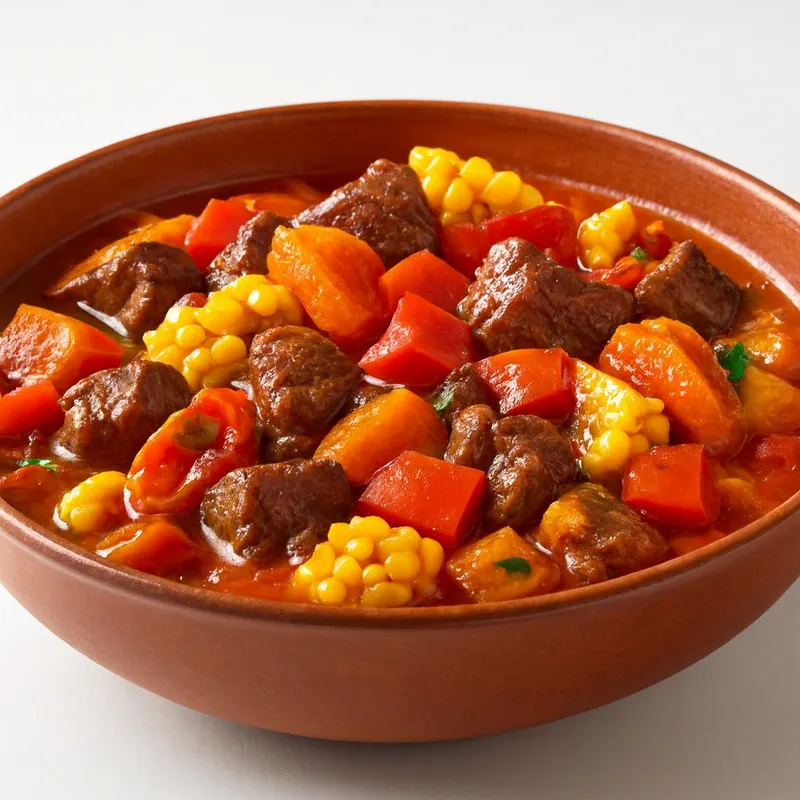
A thick, ochre-yellow stew with white hominy corn, white beans, squash dissolving into the broth, and chunks of beef, pork, and chorizo. Served in a deep bowl with a spoon of quiquirimichi (red chili oil with paprika and scallion) stirred in at the table. Texture is between a stew and a porridge — the corn breaks down to thicken the liquid. Eaten in cool months, almost never in summer.
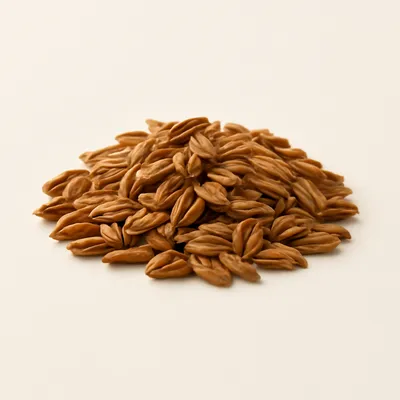
The hominy is load-bearing. Dried white corn kernels are soaked overnight, then simmered for hours until they burst and release starch — that starch is the natural thickener, no flour involved. Skipping the long soak, or using canned hominy, gives a thin watery broth with floating beans. Authentic locro takes four to six hours; the texture cannot be faked at speed.
Variations
Locro criollo (the canonical northwest version, beef plus pork plus chorizo); locro santiagueño from Santiago del Estero is meatier; locro patero pushes pig trotter and tripe; Bolivian and Peruvian highland versions skip the chorizo.
On the Palate
Where Locro sits in the Argentinian flavor cloud
Give the soaked hominy its full four-to-six-hour simmer so the kernels burst and release starch — that starch is the only thickener, and it can't be rushed.
Ingredients





How it's made
4 steps · 1 hour 20 min
- 110 min
In a large pot, add diced squash, potatoes, and hominy. Cover with water until the ingredients are submerged by an inch. Bring to a boil over high heat.
Watch outWater should sit a full inch above the ingredients — the hominy drinks a lot as it swells over the long cook.
- 245 min
Once boiling, reduce the heat to a simmer. Add beans, pork, beef, and chorizo. Stir occasionally and let it simmer until the meats are tender, about 45 minutes.
Watch outOnce it hits a rolling boil, pull it right back to a lazy simmer with just a few bubbles breaking the surface.
- 320 min
Add corn, paprika, and any additional vegetables. Continue to simmer until the corn is tender and the stew has thickened, about 20 minutes.
Watch outThe stew is ready when a spoon dragged across the bottom leaves a slow-closing trail — that's the starch, not water.
- 45 min
Taste the locro and adjust seasoning with salt and hot sauce to your preference. The stew should be rich and aromatic.
Watch outAdd salt gradually to avoid over-seasoning.
Archive tool suggestions — not reviewed
These legacy suggestions have not been evidence-reviewed and are not presented as required tools.