Guaraní cassava-and-cornstarch pancake — pressed flat in a hot pan with cheese folded in, cooked golden-crisp on both sides, eaten by hand with mate or terere.




Mbeju (or 'mbejú', pronounced 'beh-HOO') is one of the oldest dishes in Litoral cuisine — predating European contact, originally made by Guaraní women from pure ground manioc. The Spanish brought cornmeal, salt, and cheese, which were folded into the existing technique to create the modern mbeju. The dish is the breakfast or merienda (afternoon snack) staple across Misiones, Corrientes, Formosa, and northern Entre Ríos. It's also widespread in Paraguay (mbejú is one of seven 'natural foods' considered Paraguayan heritage). The pancake is dense, chewy, intensely cheese-flavored, and uniquely gluten-free.
Pull off a wedge of mbeju and bite: the exterior is golden-crisp with a slight pan-fry shatter; the interior is dense, chewy, almost gummy — that's tapioca starch behaving like itself, completely different from wheat-flour. The cheese pockets melt in the mouth; the salt is concentrated. Wash down with cold mate; the bitterness of yerba cuts through the cheese fat. Litoral grandmothers make this in 20 minutes flat for afternoon snacks.
Tapioca starch gelatinizes around 60-65°C and creates a uniquely chewy-stretchy texture when set with fat and acid (cheese provides both). Cornstarch is added (~25% by weight of starches) to soften the chew slightly — pure tapioca would be too gummy. The pan-fry creates Maillard browning on both surfaces that's structurally critical — without the crust, mbeju would just be cheese-paste.
Variations
Misiones original uses pure Paraguayan cheese; Corrientes urban version sometimes adds an egg for richness (modern adaptation); Paraguayan classic mbejú uses anise seeds for fragrance.
On the Palate
Where Mbeju sits in the Argentinian flavor cloud
Getting the dough moisture right is everything: it should be sticky-crumbly and just hold when pressed, then pan-fry long enough to build a deep golden crust — that Maillard shell is what turns cheese paste into mbeju.
Ingredients
Serves 6
How it's made
5 steps · 20 min active + 5 min waiting
- 13 min
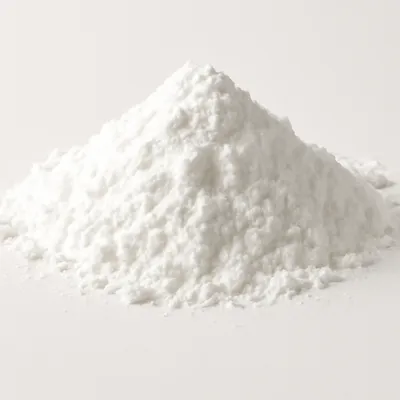
In a large bowl, combine 300g tapioca starch (mandioca/manioc starch) + 100g cornstarch + 1 tsp salt.
- 24 min
Cut 80g cold butter into small cubes; rub into the dry mixture with your fingertips until it resembles coarse breadcrumbs.
- 35 min
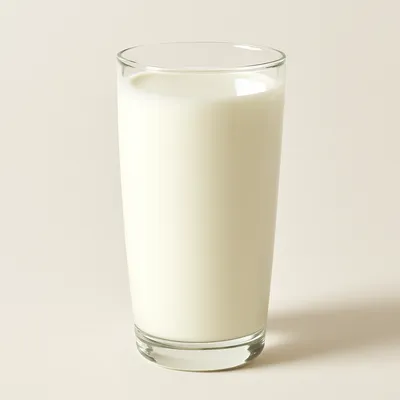
Add 250g grated Paraguay cheese (substitute with grated queso fresco + Parmesan mix) + 150ml warm milk. Mix with hands until a sticky, slightly crumbly dough forms — should hold together when pressed but not be perfectly smooth.
Watch outSqueeze a handful — it should clump and hold, not crumble to powder or smear into paste.
- 44 min
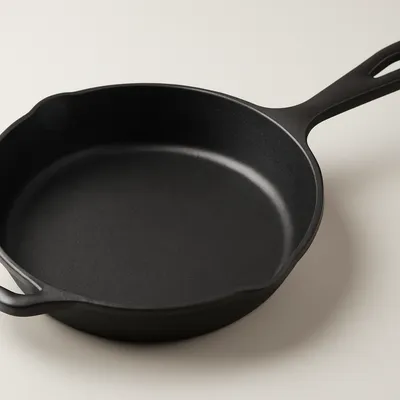
Heat a heavy non-stick pan or cast-iron skillet over medium heat. Pour in about 200g of dough and press flat with a spatula into a 20cm round pancake, 1.5cm thick. Cover the pan briefly to help the inside cook.
Watch outPress into an even 1.5cm round and cover briefly so the middle cooks before the crust over-browns.
- 59 min
Cook 5-6 min per side, lifting carefully to flip (the pancake can be fragile), until both sides are deeply golden with dark-brown spots. Slide onto a plate. Repeat for remaining dough (makes 2-3 pancakes). Slice into wedges and serve warm with mate or coffee.
Watch outFlip only when the underside is deep golden with dark spots and the edge lifts cleanly.
Archive tool suggestions — not reviewed
These legacy suggestions have not been evidence-reviewed and are not presented as required tools.