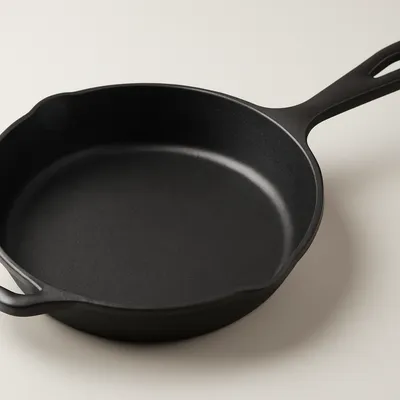



Welsh cakes (picau ar y maen, 'cakes on the stone') are traditionally cooked on a heated bakestone (planc) — a flat iron griddle placed over fire. The recipe predates ovens in Welsh kitchens; bakestones were universal in 18th-19th century Welsh homes. The cakes were practical: portable, energy-dense, kept for days. On Saint David's Day (March 1), Welsh children take them to school and Welsh expatriates send them home as cultural gifts.
A welsh cake out of the tin is the size of a digestive biscuit, faintly sweet, currant-studded. Warm from the griddle, butter melts on top instantly. The texture is cake-meets-scone, the spice is faint but present. Tea breaks demand them.
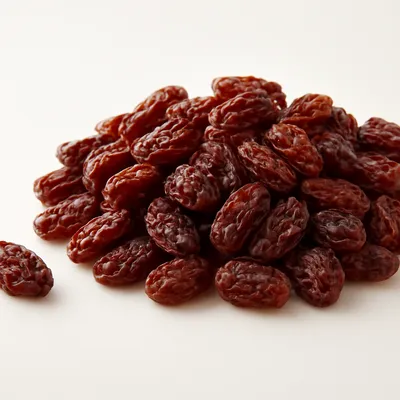
Welsh cakes cook on a flat heated surface, not in an oven — the conduction-only heat creates a crisp surface and tender interior simultaneously. The currants (small dried grapes) have less moisture than raisins, so they don't make the dough sticky during rolling. Self-raising flour provides the rise; baking soda would taste metallic.
Variations
Traditional version uses currants only; modern bakeries add chocolate chips; American Welsh-diaspora version adds cinnamon and apple — three Welsh cake variations.
On the Palate
Where Welsh Cakes sits in the British flavor cloud
Keep the dry griddle at gentle medium-low and give each cake a full 3 minutes a side — the conduction-only heat has to cook a thick cake through to the center while it crisps the surface, so too-hot a pan burns the outside raw.
Ingredients
Serves 12
How it's made
5 steps · 20 min active + 10 min waiting
- 15 min
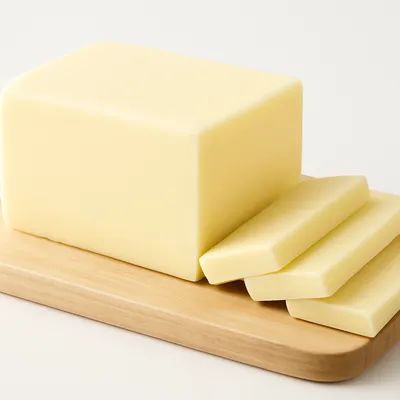
Rub 110g butter into 225g self-raising flour. Add 80g caster sugar, 1 tsp mixed spice, 50g currants. Mix.
- 23 min
Beat 1 egg with 2-3 tbsp milk; add to flour mix to form firm dough.
Watch outThe dough should come together firm and just short of sticky; add milk a splash at a time so it stays rollable, not wet.
- 34 min
Roll dough on floured surface to 5mm thick. Cut 12 rounds with 6cm cutter.
- 48 min
Heat dry bakestone or heavy griddle over medium-low heat. Cook welsh cakes 3 min per side until golden brown — heat must be gentle so they cook through without burning.
Watch outEach side should turn even golden-brown in about 3 minutes; if it colors faster than that, the pan's too hot — ease it down.
- 510 min
Dust hot cakes with caster sugar. Eat warm with butter, or cool and store in tin for 3 days.
Watch outDust with sugar while the cakes are still hot so it clings; a cooled cake won't hold the coating.
Archive tool suggestions — not reviewed
These legacy suggestions have not been evidence-reviewed and are not presented as required tools.