






On December 13 — Lucia Day — Swedish households are woken before dawn by a procession of children in white robes, one wearing a crown of candles, all singing. The procession serves lussekatter, glowing yellow with saffron and twisted into an S-shape (sometimes called 'Lucia cats' or 'devil cats' — the swirl supposedly defends against evil). Made with cardamom-yeasted dough enriched with saffron tea, finished with raisins set in the curls.
Saffron-yellow, faintly sweet, with two raisins set in the curled ends — eaten warm with a mug of glögg before dawn on December 13. The aroma of saffron in butter is unmistakable.
Saffron needs fat and heat to release — bloomed in warm milk first, the threads give up crocin (the water-soluble carotenoid that dyes the dough yellow), while picrocrocin (the bitter glycoside) breaks down on drying and heat into safranal, the hay-and-honey aroma compound. Studies show colour extracts best in water, but the safranal aroma needs an oil phase at no more than about 80 °C — which is why the saffron is steeped in warm milk, not boiling water, before going into the butter-rich dough. Without the bloom, the dough turns pale and tastes only of butter.
Variations
The original 17th-century version was twisted into an S-shape (the 'devil's tail') as Christianized pagan superstition; modern bakeries also do straight or X-shapes — the religion has gone, the saffron stayed.
On the Palate
Where Lussekatter sits in the Swedish flavor cloud
Ingredients
Serves 4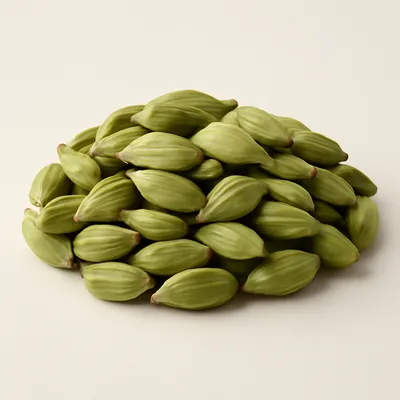
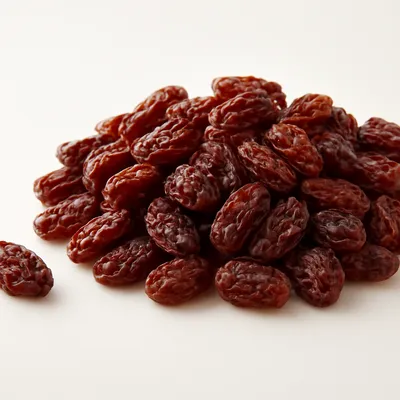
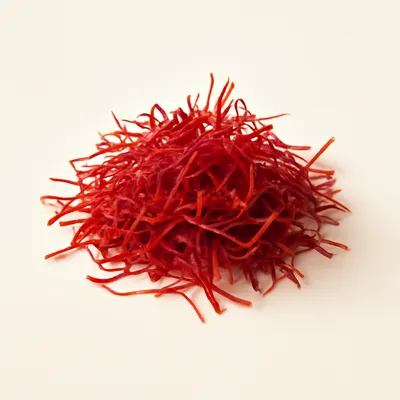

How it's made
5 steps · 2 hours 5 min active + 55 min waiting
- 136 min
Heat 1 large pinch saffron threads in 50ml warm milk 10 min to extract color.
Watch outSteep the saffron in milk that's just warm to the touch, not scalding — the threads bleed a deep gold and go fragrant; boiling water kills the honey-hay aroma.
- 236 min
Dough: combine saffron milk + 250ml additional warm milk, 25g fresh yeast, 100g sugar, 100g melted butter, 1 tsp cardamom, 1 egg, 1 tsp salt, 700g flour. Knead 10 min. Rise 60 min.
Watch outKnead until the dough turns smooth and springs back — pull a piece thin and it should stretch to a translucent window without tearing.
- 336 min
Divide into 16 pieces. Roll each into a 25cm rope, curl both ends in opposite directions to form an 'S'. Place on a tray.
- 436 min
Rise 45 min. Brush with beaten egg; press a raisin into each curl center.
- 536 min
Bake 225°C 8-10 min until deeply golden. Eat warm with mulled wine (glögg).
Watch outPull them the moment they're deep glossy gold — saffron dough scorches from gold to bitter brown fast, so watch the last two minutes.
Archive tool suggestions — not reviewed
These legacy suggestions have not been evidence-reviewed and are not presented as required tools.


