Yeast
Baking◎ Good year-round
Used in 17 of 45 cuisines (38%)
Granular and alive, yeast carries an unmistakable aroma of fermentation and bread, transforming simple ingredients into fluffy loaves. Its pivotal role in baking showcases the magic of chemistry in the kitchen.
Where it comes from
Yeast has been used in baking for thousands of years, with ancient civilizations harnessing its power to leaven bread, making it a fundamental ingredient across global cuisines.
In the kitchen
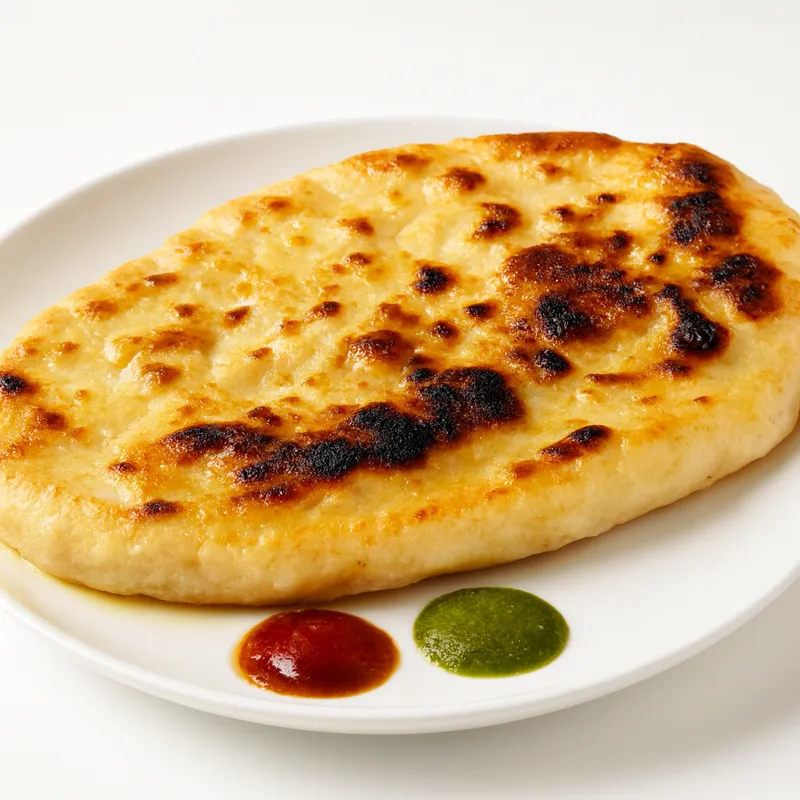
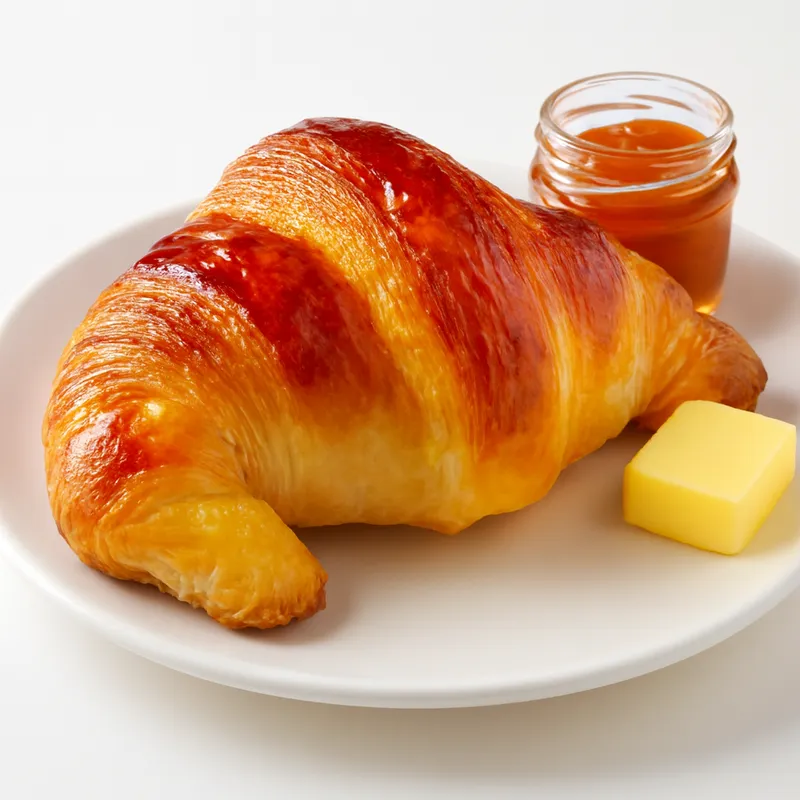
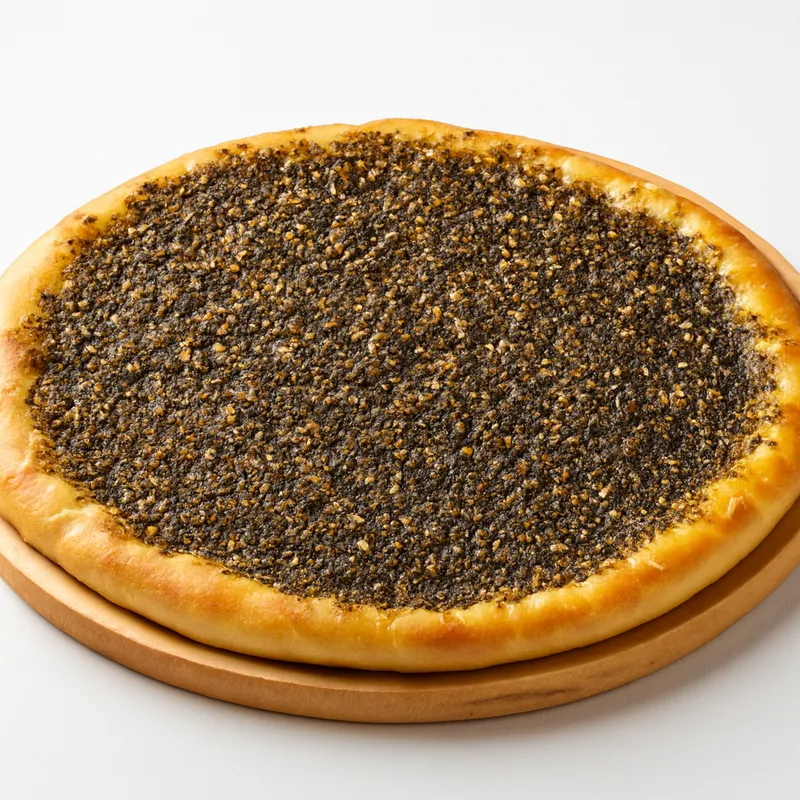
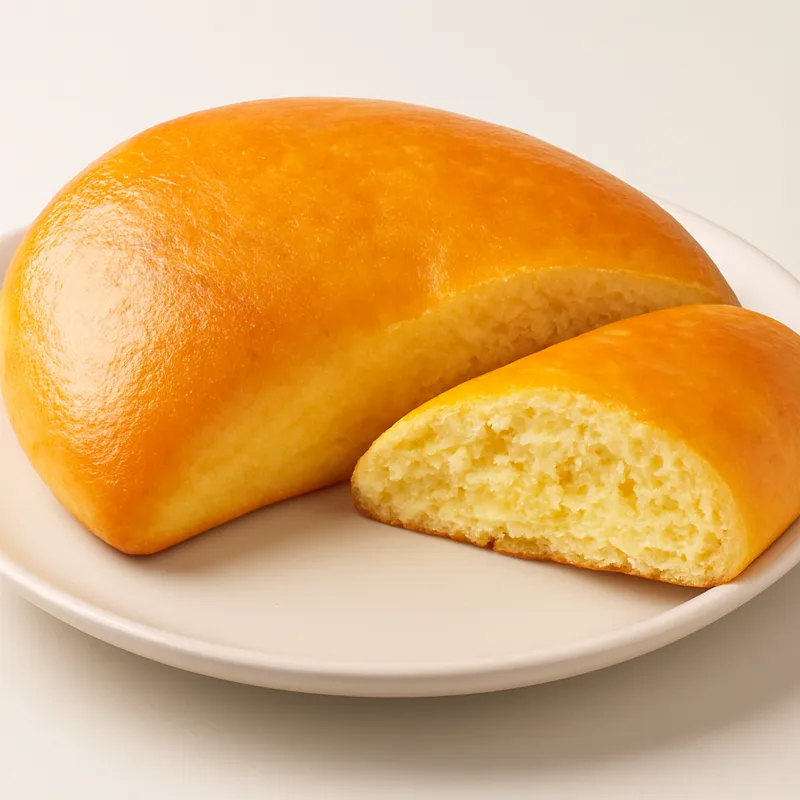
Essential for leavening bread and pastries, yeast ferments sugars, producing carbon dioxide that creates light, airy textures in baked goods.
Nutrition (per 100g)
105kcalCal
8.0gProtein
1.0gFat
26.0gCarbs
0.0gFiber
Values are AI-estimated, not from a laboratory database
Pairs well with

Flour
Combine with flour for bread. Let rise in a warm spot — yeast ferments, dough doubles, airy and light.

Sugar
Just a pinch. Sugar wakes up yeast, speeds fermentation. Too much, and yeast slows down.

salt
Balance yeast with salt. Add after initial mix. Salt controls yeast, keeps flavor in check.
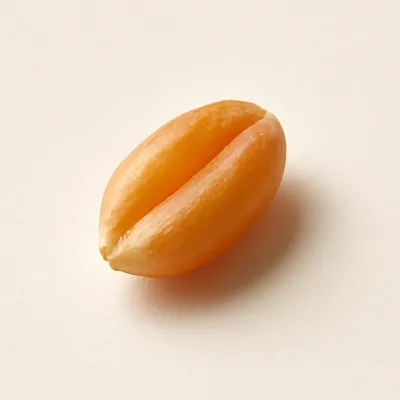
Wheat
Mix with warm water and let it bubble. Yeast lifts wheat into airy loaves, adding depth and a hint of tang.

wheat flour
Yeast ferments in flour, rising dough into airy bread. Warm water activates it, then let time and warmth do the work.