
Uyghur
Hand-pulled laghman, tonur-baked samsa, and enough cumin-crusted lamb for any Silk Road caravan.
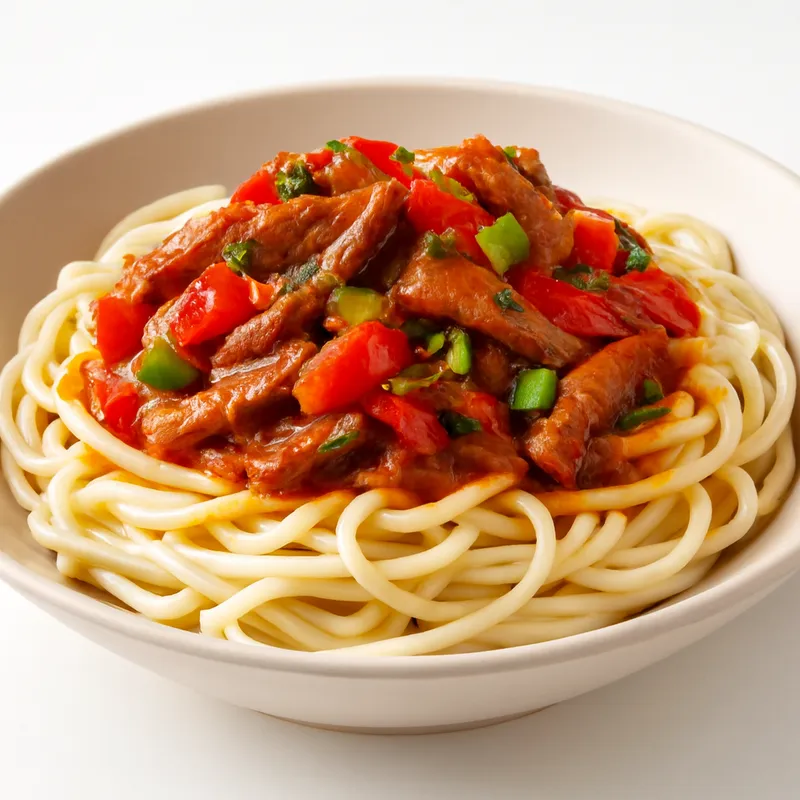
Laghman
Hand-pulled noodles served with a savory sauce, highlighting the Uyghur expertise in noodle-making.
View page →A Uyghur meal smells like cumin and charcoal before you see the plate. Outside, a tonur — the round clay oven — glows under lamb rubbed with cumin, salt, and oil, the Kawap crust blistering against the oven's hot walls. Inside, a cook is pulling a single rope of Laghman dough into noodles so long they have to be looped over an elbow before dropping into simmering water. On another table: a steaming heap of Polu rice, heavy with lamb fat and sweet carrot — the Uyghur cousin to Central Asian plov.
This is Silk Road cooking — Turkic by language, Persian by pantry, Central Asian by technique, and just close enough to China that stir-fry entered the repertoire. The defining spice is cumin, used by the tablespoon. The defining grain is wheat, pulled into noodles or baked into nan. The defining protein is lamb, treated with a reverence every table reflects. And the defining vessel is the tonur — the clay oven that bakes Samsa pastries, Gosh Nan meat breads, and Nan Kebab, and gives Uyghur food its smoky, almost-burnt edge.
The Palate
Dishes to explore
Laghman
Hand-pulled wheat noodles topped with a wok-fried stew of lamb, bell pepper, onion, tomato, and cumin. The long, chewy strands are pulled fresh for every order.
The national dish of the Uyghur table — teaches the hand-pulled noodle technique that runs from Xinjiang across Central Asia, and the lamb-cumin-tomato sauce that sits on top of it.
Dapanji
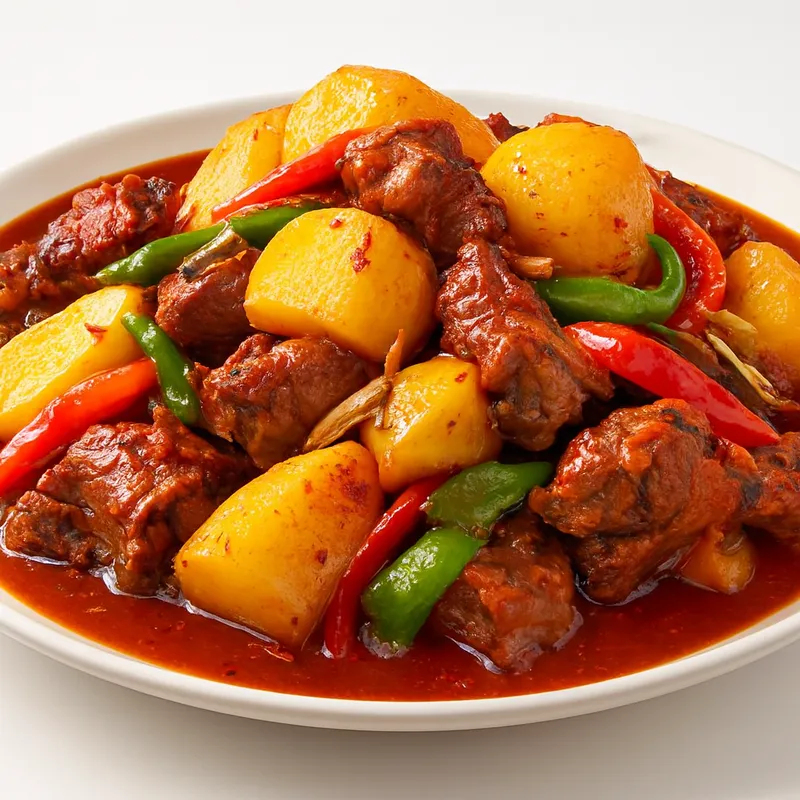
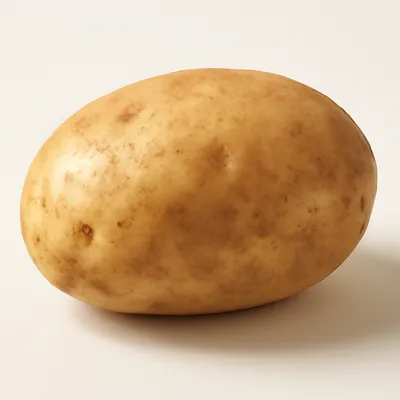
'Big plate chicken' — a whole chicken cut up and braised with potato, bell pepper, onion, Sichuan peppercorns, dried chili, and cumin, served over a bed of wide hand-pulled noodles.
The crossroads dish — where Uyghur cumin-and-lamb instincts meet Sichuan chili-and-ma. Proves this cuisine's Silk Road position better than any other single plate.
Polu
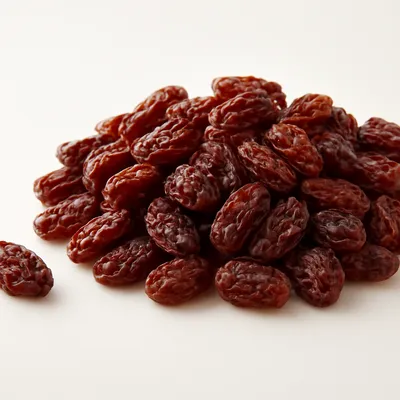
Long-grain rice slow-cooked with lamb, onion, carrot, and raisins in rendered lamb fat. The Uyghur branch of the Central Asian plov family, eaten at weddings and holidays.
Shows the pilaf technique that runs from Iran through Central Asia — rice and protein layered in one pot, steamed together so each grain carries the fat.
Samsa
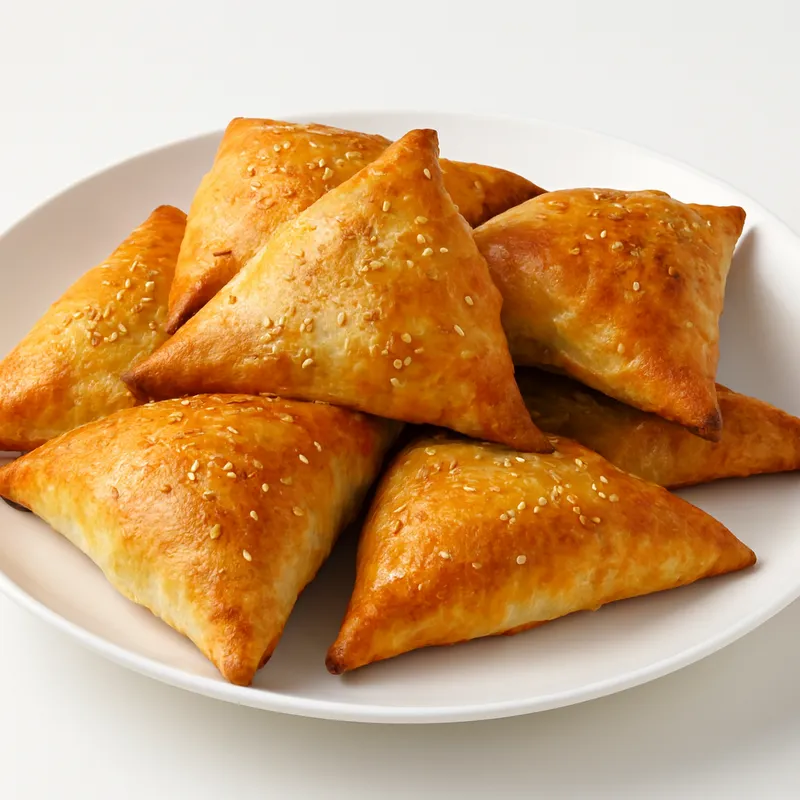
Stuffed lamb-and-onion pastries baked on the inside wall of the tonur clay oven until the dough is gold-brown and the filling is fragrant with cumin.
The Uyghur snack at its most elemental — tonur-baked bread, lamb, onion, cumin. A single pastry carries the whole pantry in one bite.
The Pantry

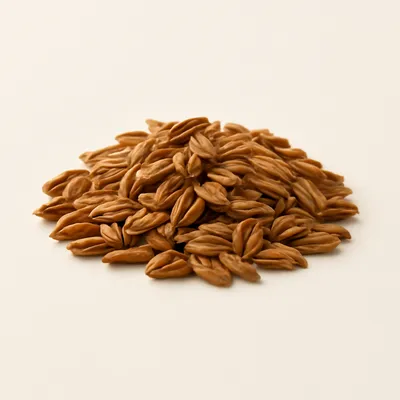





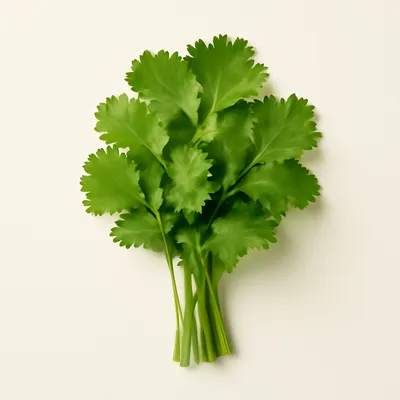
See all 80 ingredients›

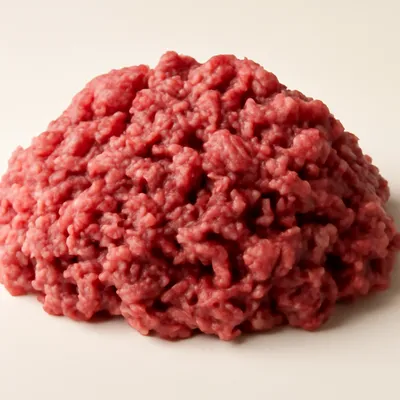


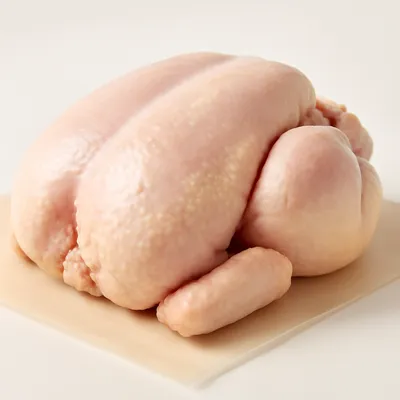



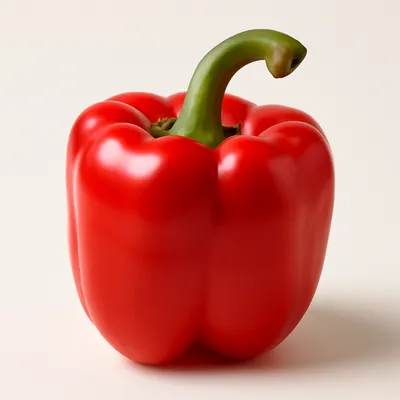



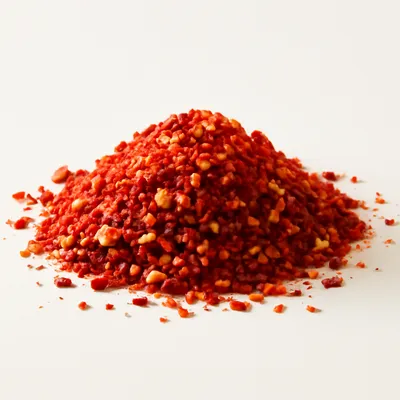
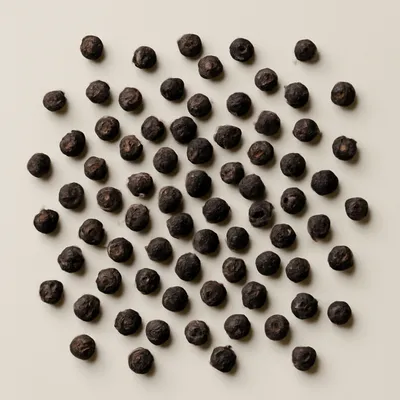
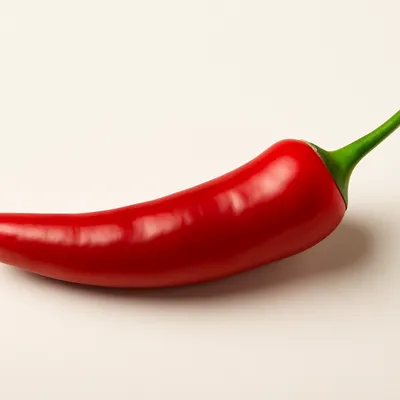
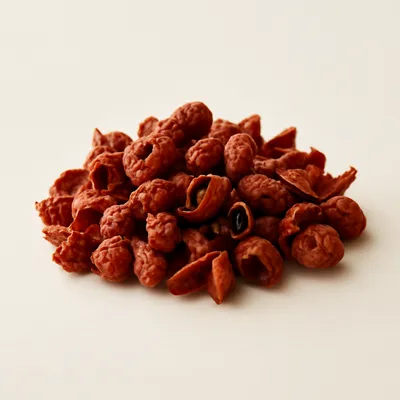
Herbs & Spices


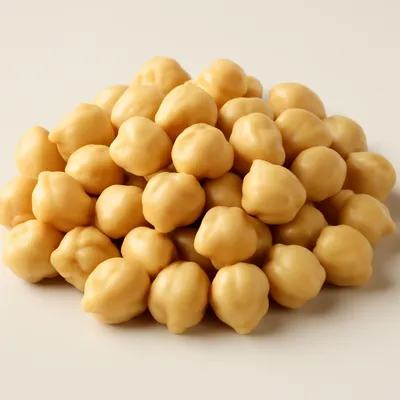
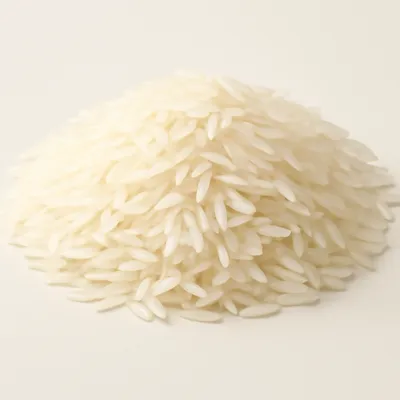
Grains & Staples











Regional Kitchens
Four regional kitchens, from Kashgar's tonur ovens to the Ili steppe. Tap a region to see its table.
Silk Road's western hub — tonur lamb pulled from clay ovens, samsa puffs, Kashgar yogurt cold from cellars.
Steppe and river valley, Kazakh-Uyghur crossroads — flat noodles with horsemeat, fried boortsog, Ili dairy.
Hot-dry grape and melon country — raisin-studded polu, charcoal kebabs, Hami sweet melons, vine-shaded courtyards.
Desert oasis on the southern Silk Road — date-sweetened polu, walnut sauces, slow-cooked manta dumplings.
How They Cook
Methods linked to dishes in this catalog
Related cuisines
Linked by ingredient records in this catalog