





Originated along the Silk Road in what is now Xinjiang and Central Asia, with the noodle technique sharing roots with Chinese lamian (拉面) — the Turkic word laghman is borrowed from Chinese lamian, and linguists generally hold the term is not native to Turkic but entered the region together with the Chinese noodle. Documented in Uyghur cooking by at least the 19th century, with regional spread to Kyrgyzstan, Kazakhstan, and Uzbekistan, where the dish has localized into soupier forms. In Xinjiang it is called latiaozi (拉条子) in the north and simply lamian or banmian in the south.
The word is a Turkic borrowing from Chinese lamian. Dough rests an hour with salt and oil so the gluten relaxes — a skilled puller hits 256 strands by doubling the rope eight times.
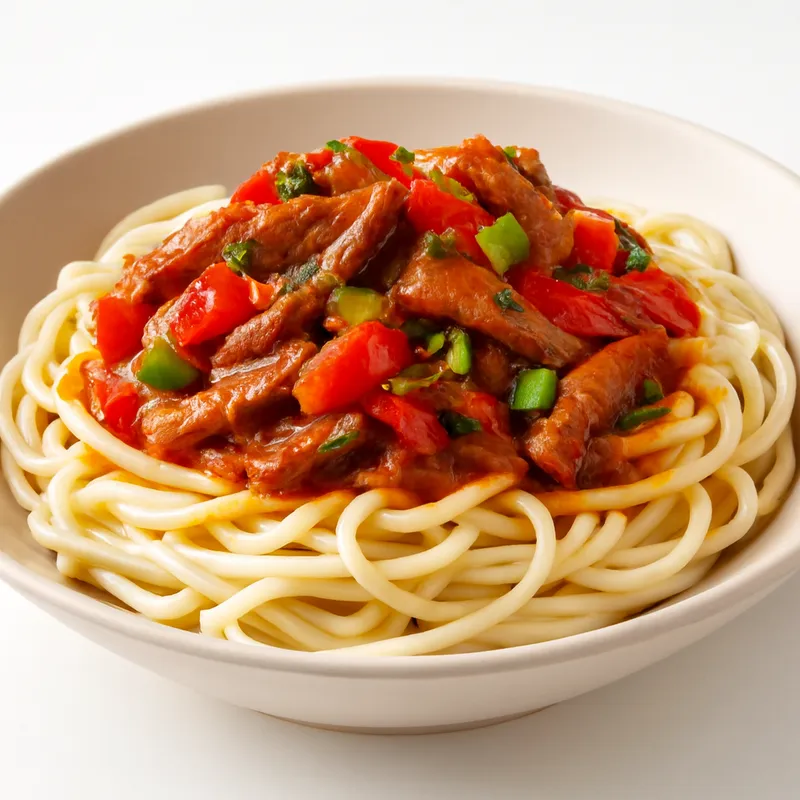
Long thick hand-pulled wheat noodles under a stir-fry of lamb, onion, peppers, tomato, and garlic, often with garlic chives and, depending on the cook and the season, celery or long beans. The dough uses only high-gluten flour and salt, no additives, boiling up glossy and pearl-white with a springy, chewy bite. The sauce clings to the strands rather than pooling. Vinegar and chili oil go on at the table.
The dough is kneaded with salt, then rested for an hour or more before pulling — salt tightens the gluten, and only a fully relaxed dough can be drawn into long strands without snapping; it is rolled into ropes, coiled under a film of oil, and rested before each strand is stretched out by hand at the noodle station. The water has to be at a full rolling boil; a soft simmer makes the noodles bloat and lose bite. The topping is stir-fried in hot oil — meat and vegetables flash-cooked separately, then combined to tighten the sauce before it is poured over the noodles and tossed.
Variations
The Kyrgyz form runs soupier, close to a noodle soup; the Uzbek style leans heavier on tomato and bell pepper; the Xinjiang banmian keeps the topping a tight, glossy stir-fry — tossed, not stewed, and never simmered down into a soup.
On the Palate
Where Laghman sits in the Uyghur flavor cloud
Knead the salted dough, then rest it a full hour before pulling — salt tightens the gluten and only fully relaxed dough draws into long strands without snapping, and it must go into water at a hard rolling boil or the noodles bloat and lose their bite.
Ingredients
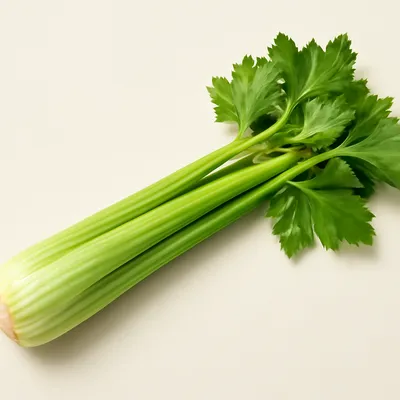


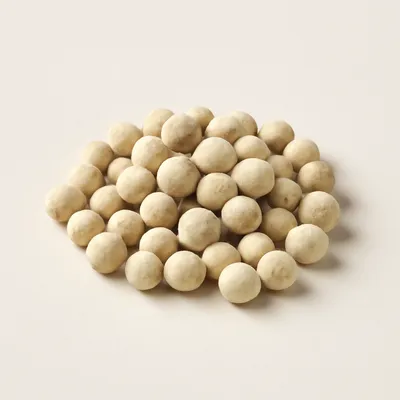
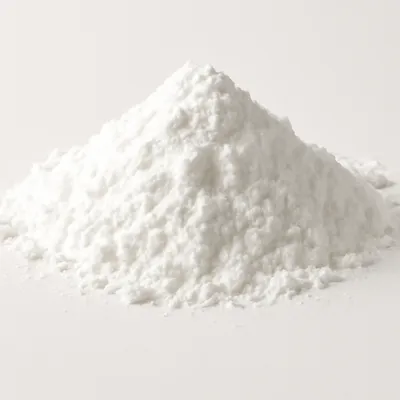
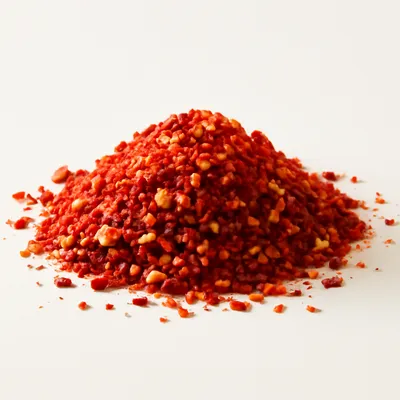

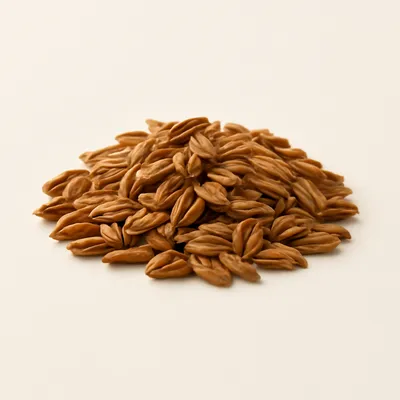

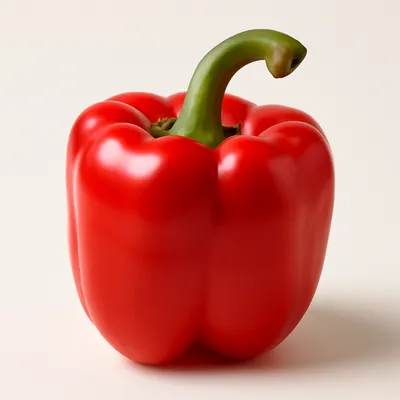


How it's made
6 steps · 28 min
- 15 min
In a medium bowl, cube the lamb into 1-cm pieces and mix with salt, white pepper, and cornstarch. Let it marinate at room temperature while preparing other ingredients.
Watch outThe cornstarch coat on the lamb should feel just tacky, not gluey — it's there to velvet the meat, so a thin film is enough.
- 210 min
Bring a large pot of water to a boil. Cook the noodles until al dente, then drain and rinse under cold water to stop the cooking. Set aside.
Watch outEnsure the water is at a rolling boil before adding the noodles to prevent them from becoming mushy.
- 32 min
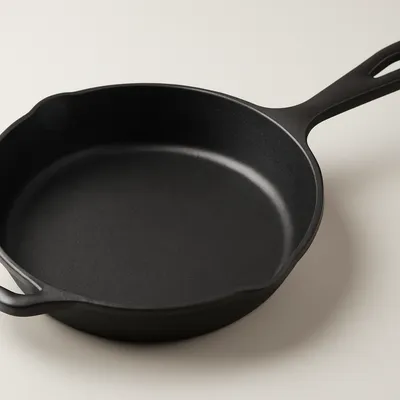
Heat oil in a large skillet over medium-high heat. Add the lamb, spreading it out in the pan, and cook until browned but still slightly pink inside, about 2 minutes. Remove and set aside.
Watch outSear the lamb hot and fast, spread out — pull it while the center is still faintly pink so it doesn't toughen when it goes back in.
- 46 min
In the same skillet, add more oil if needed, and sauté diced onion for 2-3 minutes until soft. Add garlic and chili flakes, cooking until fragrant. Stir in chopped tomatoes, soy sauce, tomato paste, cumin, sugar, and salt, cooking until the tomatoes break down into a sauce, about 3 minutes.
Watch outCook the tomatoes down until they collapse into a glossy sauce and the raw-paste smell is gone before the pepper goes in.
- 53 min
Add chopped bell pepper and cook until just tender but still crisp, about 2 minutes. Return the lamb to the skillet, stirring to combine and heat through.
Watch outAvoid overcooking the bell pepper to maintain its crunch.
- 62 min
Serve the noodles on plates, topped with the lamb sauce. Mix gently before enjoying.
Archive tool suggestions — not reviewed
These legacy suggestions have not been evidence-reviewed and are not presented as required tools.