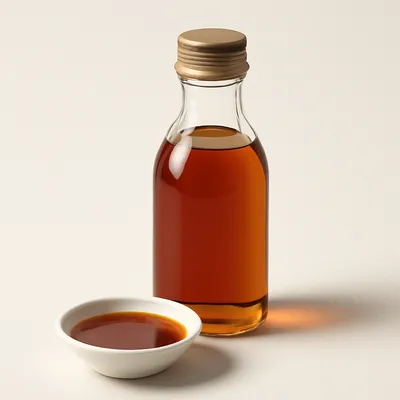
The liquid umami that whispers depth into your dishes.
Fermented soybean and wheat condiment; the primary umami carrier in East Asian cooking.
Where it comes from
Soy sauce has a storied past dating back over 2,500 years in China, evolving into various regional forms that reflect local ingredients and tastes.
In the kitchen
Soy sauce enhances dishes as a seasoning or marinade, contributing depth to stir-fries, sushi, and dipping sauces while balancing flavors.
Across cuisines
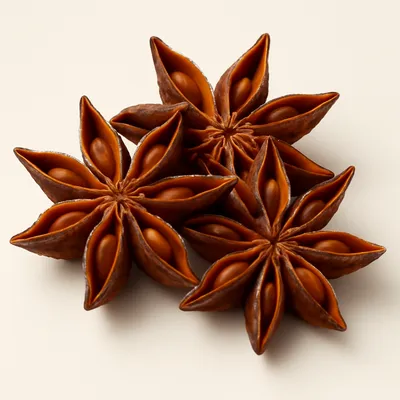
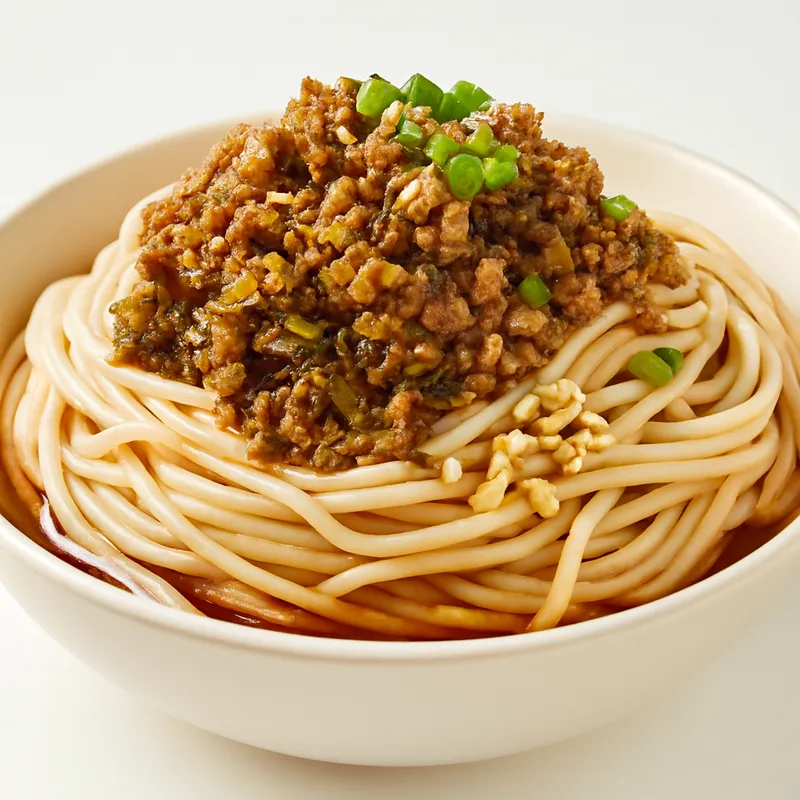
Sichuan cooking distinguishes salty (咸鲜) soy and sweetened soy (复制酱油 — soy slow-simmered with rock sugar and spices) — the latter is the sweet base of dan dan noodles, zhong dumpling sauce, and Chongqing xiao mian. Without this, the heat reads flat.
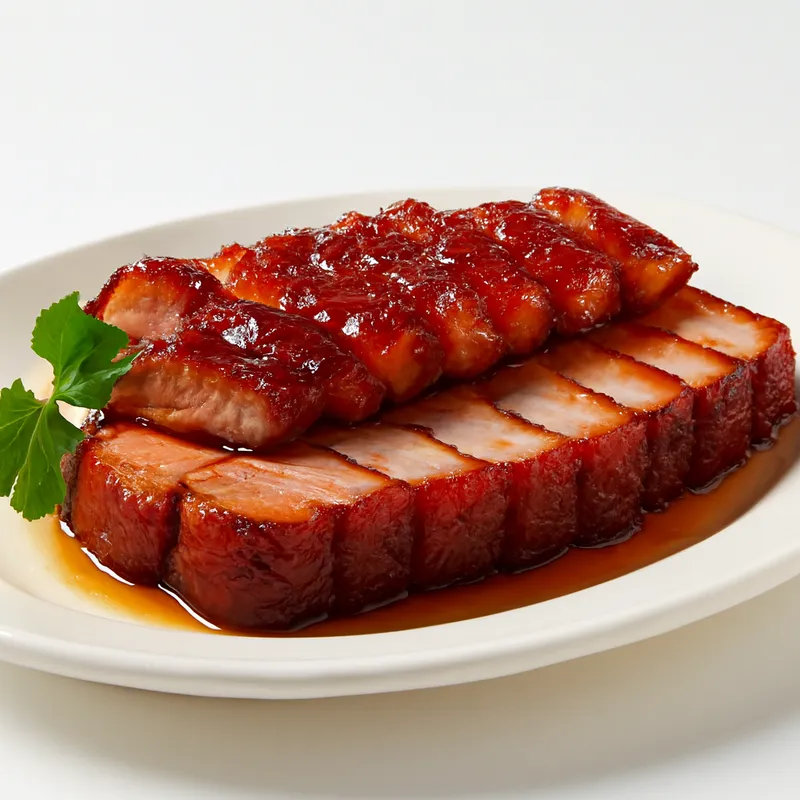
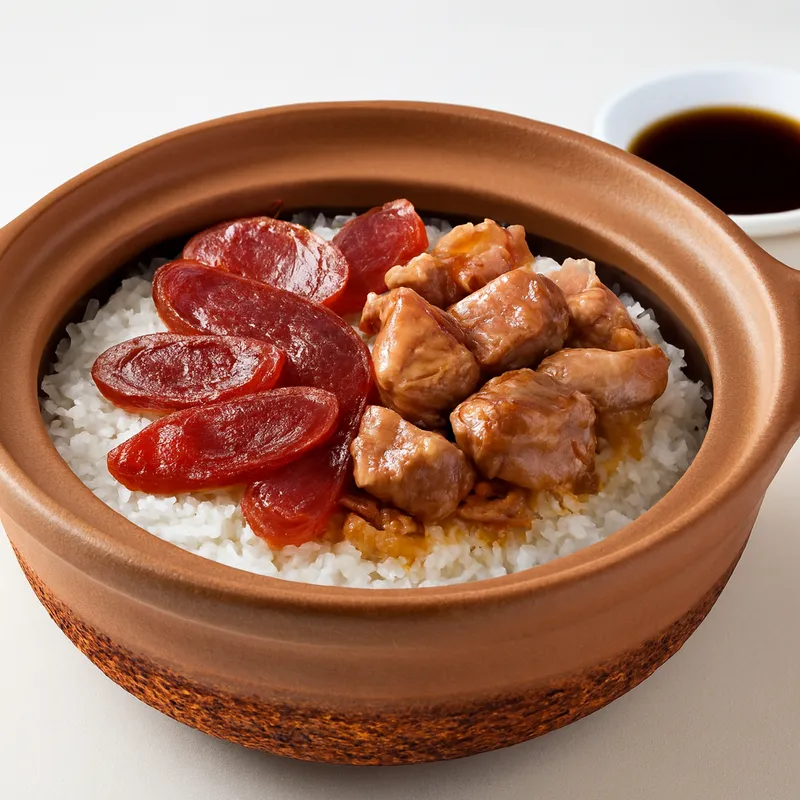
Sheng-chou and lao-chou split is sharper than in any other region — soy sauce chicken (豉油鸡), char siu, claypot rice, and steamed fish all specify which to use and when. Cantonese steamed-fish soy (蒸鱼豉油) is a pre-blended product with sugar, rock sugar, and aromatics.
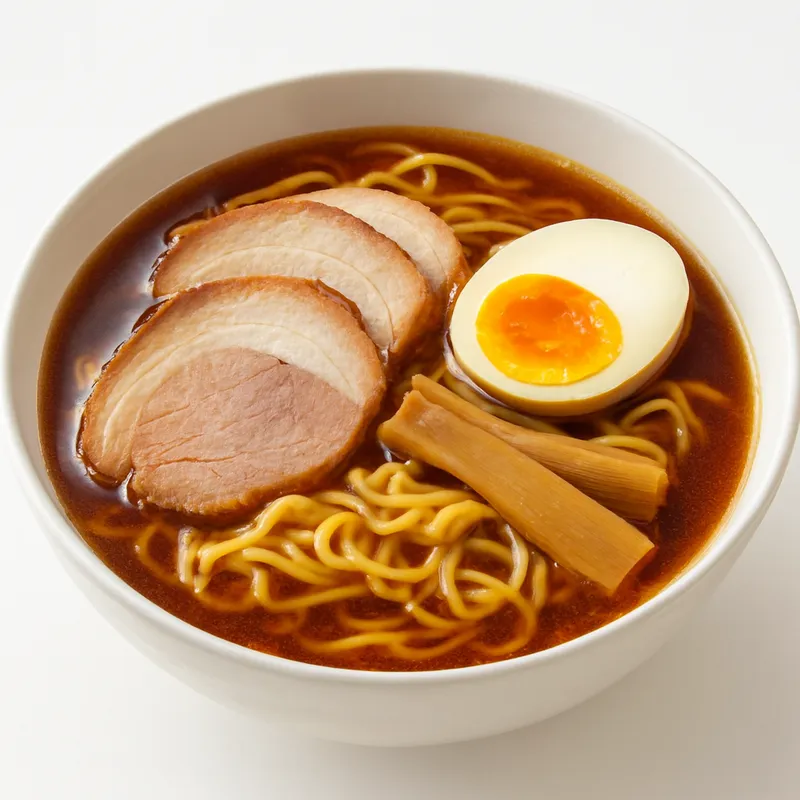
Five legally defined types (koikuchi, usukuchi, tamari, shiro, saishikomi). Koikuchi is the everyday all-purpose used in shoyu ramen tare, teriyaki, and the dipping bowl. Brewed with roasted wheat (unlike Chinese), giving a distinct sweet-aromatic finish.
Notable varieties
Soybean-and-wheat brew split into first-pressing (light, salty seasoning) and aged (dark, sweet, for color). Distinguished by Chinese cookbooks at almost every step; not interchangeable.
All-purpose Japanese soy — roughly 50/50 soy and wheat, brewed with koji and aged 6-12 months. Kikkoman is the global standard; balanced salt, aroma-forward, slightly sweeter than Chinese sheng-chou.
Lighter color but actually saltier than koikuchi — fermented with amazake addition. Used in Kansai for preserving the color of clear soups and simmered vegetables.
Wheat-free (or near-zero wheat) byproduct of miso production — thicker, deeper, more intensely savory. The original sashimi dipping soy; now also marketed as gluten-free shoyu.
Nutrition (per 100g)
AI-estimated; model and run unavailable.
Pairs well with