




A Chengdu / Zigong street snack from around 1841, when a porter named Chen Baobao carried two wooden buckets on a shoulder pole (担, dān) — one of pre-made chili-oil sauce, one of cooked noodles — selling bowls on the street. "Dan dan" is the pole. The original was a single small portion sized for porters and dock workers eating fast. The soupy "red-oil dan dan" sold in chain restaurants today is a late-20th-century revision.
Sichuan street-snack from carrying-pole vendors — dan dan literally means "the carrying pole." The Yibin yacai (preserved mustard greens) is the load-bearing one; without it, the dish goes flat.
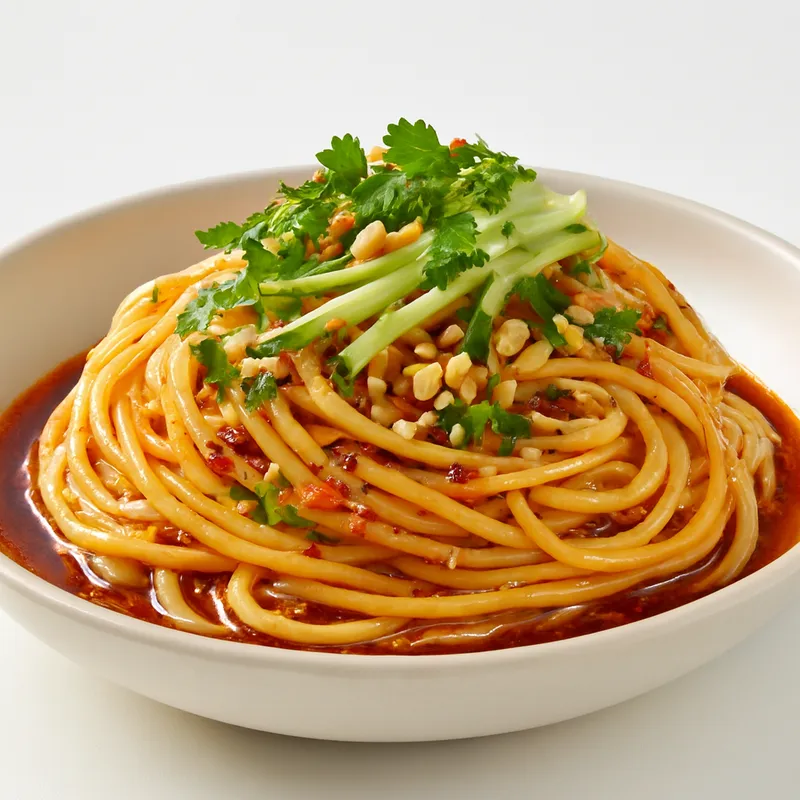
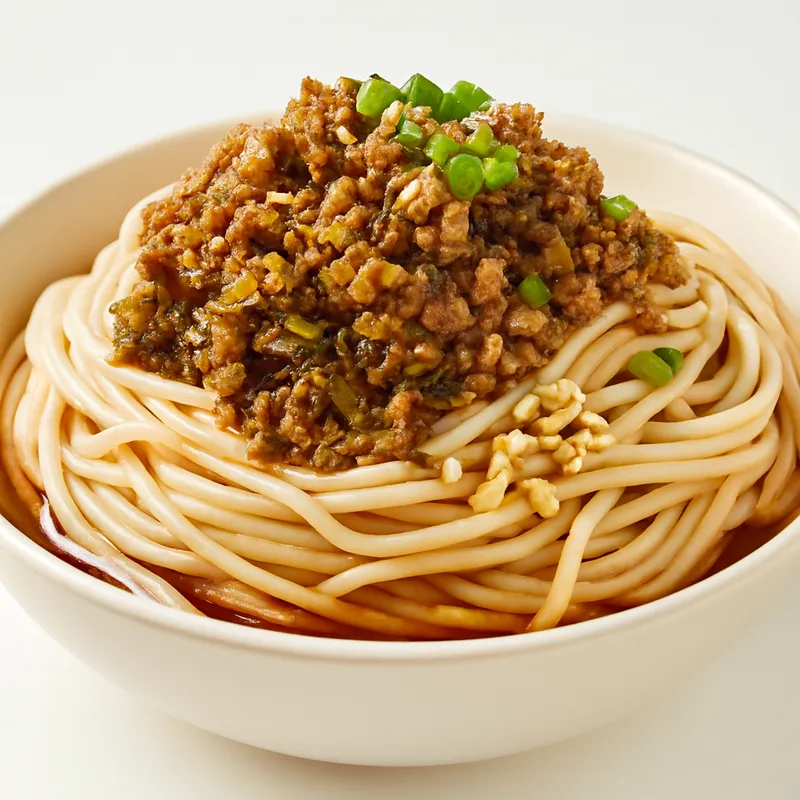
A small bowl, sauce at the bottom, dry-tossed wheat noodles on top, ground pork crisped almost to the point of jerky scattered over. Stir hard before eating — sesame paste, chili oil, ya cai (preserved mustard greens), Sichuan peppercorn, vinegar, soy all live separate until the chopsticks combine them. Saucy versions are wrong; the original is nearly broth-less: the noodles are drained dry, with only a few drops of stock added so they don't clump, and just enough sauce to coat each strand.
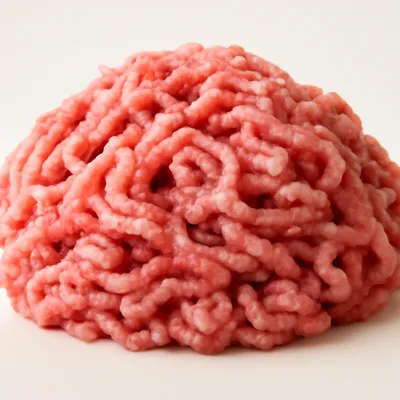
Ya cai (芽菜) — Yibin's preserved mustard stem — is the load-bearing flavor most non-Sichuan kitchens skip. It's funky, salty, slightly sweet, fermented for 6+ months; without it the dish is just spicy noodles. The pork is dry-fried until the fat renders out and the meat goes brown and crumbly, almost meat floss texture; ground pork stewed in liquid is a different dish.
Variations
Chengdu version is dry-mixed with no broth; Chongqing version has a thin red-oil pool; Western Chinese restaurants drown them in broth — that's the wrong category.
On the Palate
Where Dan Dan Noodles sits in the Chinese flavor cloud
Get the pork right: dry-fry the ground pork over steady heat until the fat renders out and the meat goes brown, dry and crumbly like meat floss — this crisp, savory crumble (plus a spoon of ya cai) is what makes it dan dan noodles and not just spicy noodles.
Ingredients


How it's made
5 steps · 15 min
- 15 min
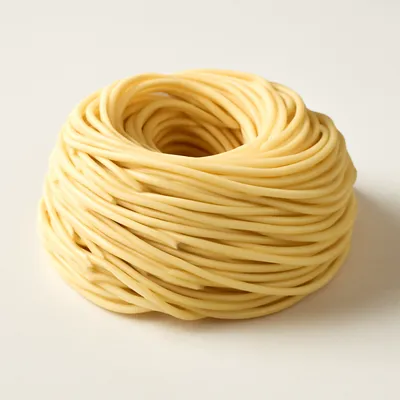
Bring a large pot of water to a boil, seasoned heavily with salt. The water should taste like the sea. Add the Chinese noodles and cook until al dente, about 4 minutes, stirring occasionally to prevent sticking.
Watch outPull the noodles at al dente, around 4 minutes — they keep softening in the hot sauce, so a hair firm is right.
- 23 min
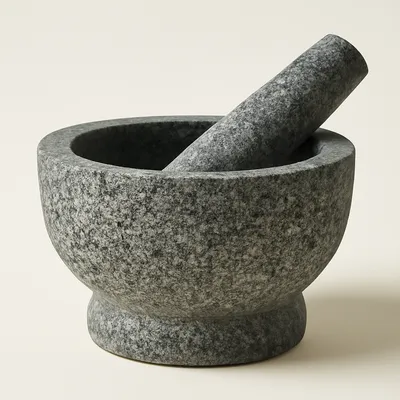
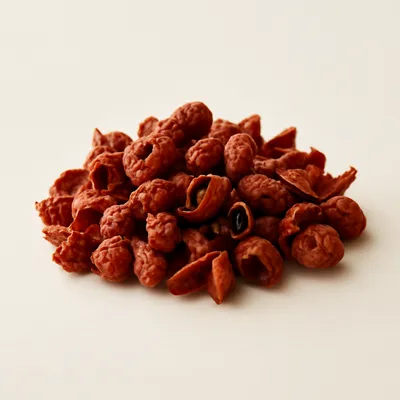
In a small pan over medium heat, toast the Sichuan pepper until aromatic, about 2 minutes. Grind into a powder using a mortar and pestle.
Watch outToast the Sichuan pepper only until it smells fragrant and you see the first wisp of smoke — past that it turns bitter, not numbing.
- 32 min
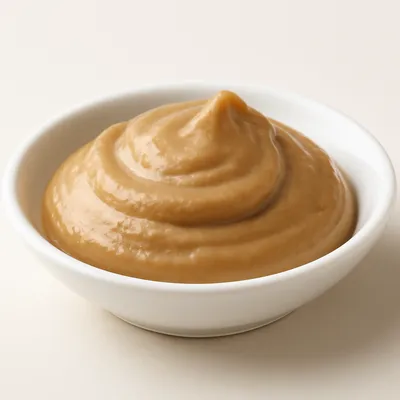
In a bowl, mix tahini, soy sauce, and chili oil to create a smooth, spicy sauce. The aroma should be nutty with a hint of heat.
Watch outEnsure the tahini is well-blended to avoid clumps in the sauce.
- 42 min
Drain the noodles and toss them immediately with the prepared sauce, ensuring each strand is well-coated. The noodles should glisten with the sauce.
Watch outToss the instant the noodles drain, while steaming — the residual heat is what melts the paste onto every strand.
- 53 min
Top the noodles with ground Sichuan pepper, crushed peanuts, and finely minced garlic for a crunchy, aromatic finish.
Watch outAdd the garlic last to prevent it from burning and losing its flavor.
Archive tool suggestions — not reviewed
These legacy suggestions have not been evidence-reviewed and are not presented as required tools.