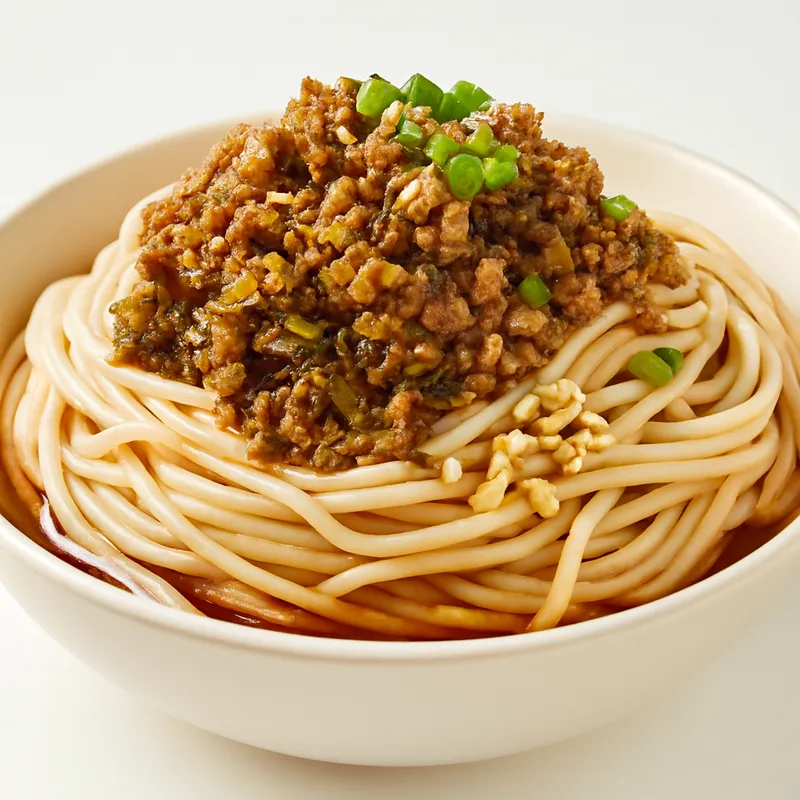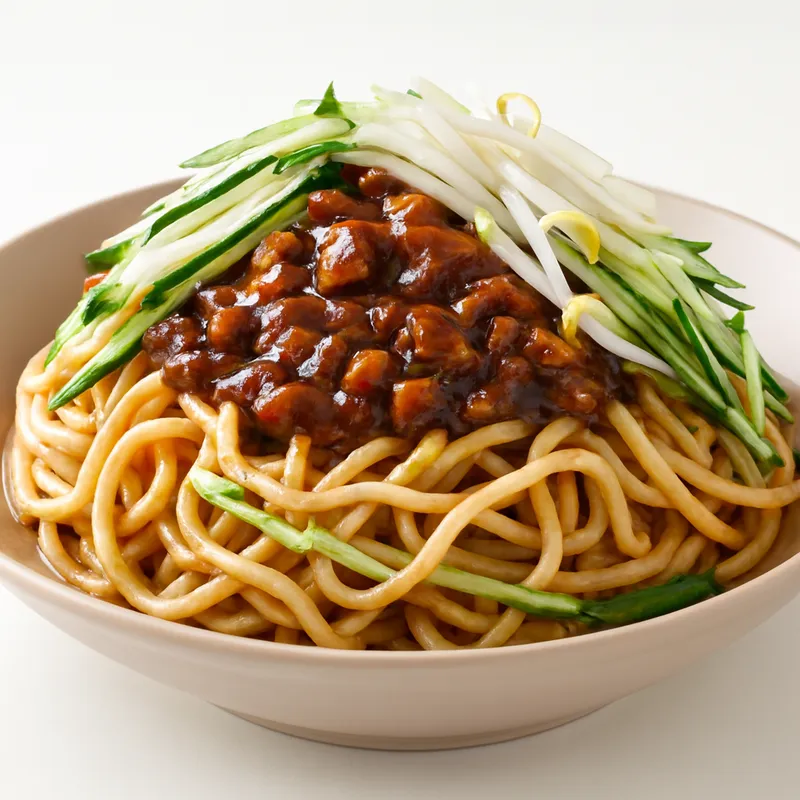
Beijing noodles topped with a rich, savory sauce of fermented soybean paste stir-fried with diced pork and crisp vegetable strips.



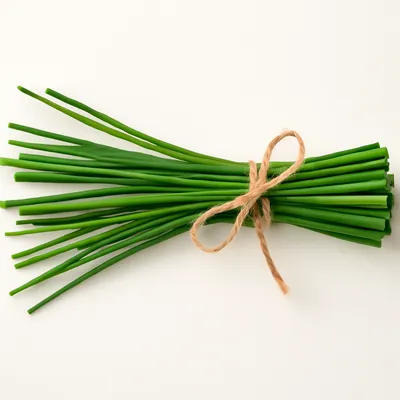
Beijing-style 炸酱面 (zhajiangmian) originated as a Shandong dish, brought to the capital by early Shandong (Lu-cuisine) restaurants and spreading through hutong households in the 19th century; the cold 烂肉面 served at the Daoguang-era restaurant 灶温 is cited as a precursor. The preserved soybean paste base 干黄酱/甜面酱 was a northern winter staple — cheap, salty, kept for months. The 八碟 (eight side-dishes) custom of cucumber, radish, garlic chive, soybeans, sprouts, etc. came from Old Beijing tradition where each topping marks the season.
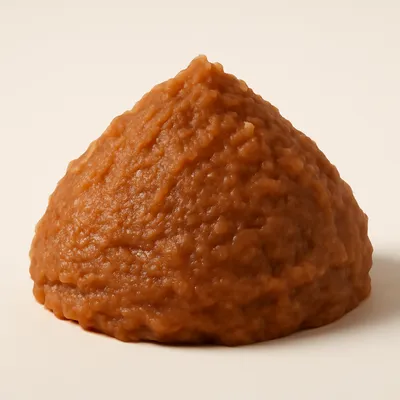
Beijing's fried-sauce noodles — yellow soybean paste (huangjiang) and sweet bean paste (tianmianjiang) at 2:1, fried with diced pork belly. The eight color-trays (八碗八碟) of vegetable garnish are the Beijing signature.
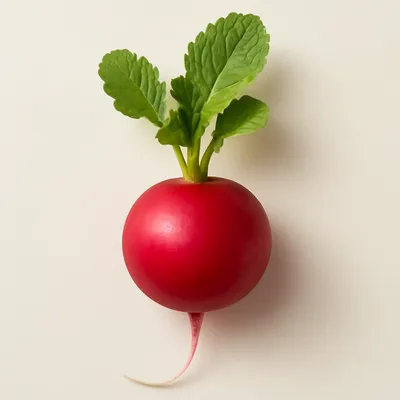
Thick hand-pulled wheat noodles topped with a heap of dark, glossy bean-paste sauce thick with pork bits, ringed by small piles of julienned cucumber, radish, soybeans, and bean sprouts. You mix it all yourself at the table — the noodles turn from white to mahogany. Salt-forward, not sweet like Korean jajangmyeon. The sauce must be 炸 (fried), not boiled — a stewed version goes flat.
The sauce is fried twice: pork fat rendered first, then soybean paste added off-heat (pasted hits direct flame and burns) and stir-fried in the rendered fat for 15–20 minutes until the oil separates and floats clear on top — that oil-cap is the sign the paste is cooked. Six parts 黄酱 to four parts 甜面酱 is the Beijing ratio; tip too sweet and it edges into Korean jajang territory.
Variations
Beijing original uses huangjiang + tianmianjiang and 8 raw veg toppings; Tianjin version skips the sweet bean and goes saltier; Korean jjajangmyeon (chunjang-based) is darker, sweeter, with caramel.
On the Palate
Where Zhajiangmian sits in the Chinese flavor cloud
Fry the soybean paste low and slow in the rendered pork fat until a clear cap of oil floats to the top — that oil separation is the only reliable sign the raw paste is cooked and no longer harsh.
Ingredients




How it's made
5 steps · 27 min
- 15 min
Heat a tablespoon of oil in a wok over medium heat. Add diced pork and cook, stirring frequently, until it browns and renders some fat, about 5 minutes.
Watch outCook the pork until the edges brown and a slick of clear fat pools in the wok — you need that rendered oil for the paste to fry in.
- 210 min
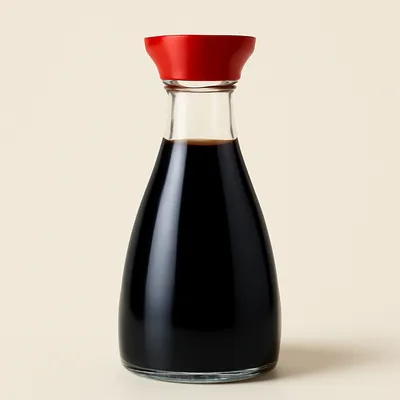
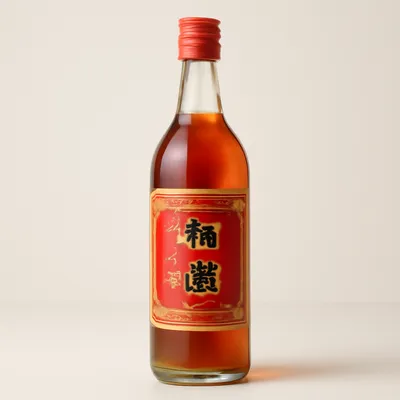
Add fermented soybean paste and a dash of soy sauce to the wok. Stir well to coat the pork, and let it simmer gently, allowing the flavors to meld, about 10 minutes.
Watch outTurn the heat down before the paste goes in; keep it at a lazy simmer, not a hard boil, so it never scorches.
- 37 min
Meanwhile, bring a large pot of water to a rolling boil. Cook the noodles until al dente, following package instructions, usually about 5 to 7 minutes.
Watch outPull the noodles while they still have a firm bite in the center — they keep softening after draining.
- 42 min
Drain the noodles and rinse under cold water to stop cooking. Toss them with a bit of oil to prevent sticking.
Watch outRinse under cold running water until the noodles are cool to the touch, then toss with oil so they stay loose and separate.
- 53 min
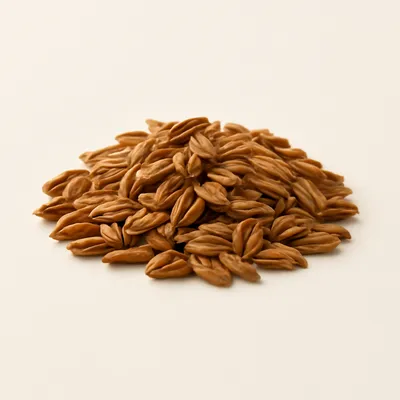
To serve, place the noodles in bowls, top with the zhajiang sauce, and garnish with thinly sliced cucumber and a sprinkle of cumin for a fresh, aromatic finish.