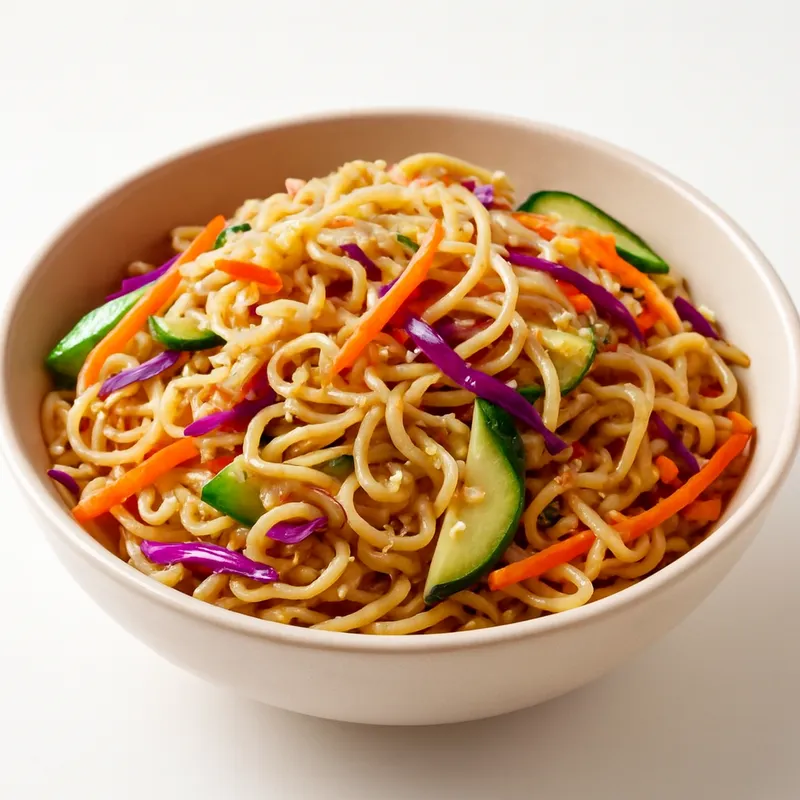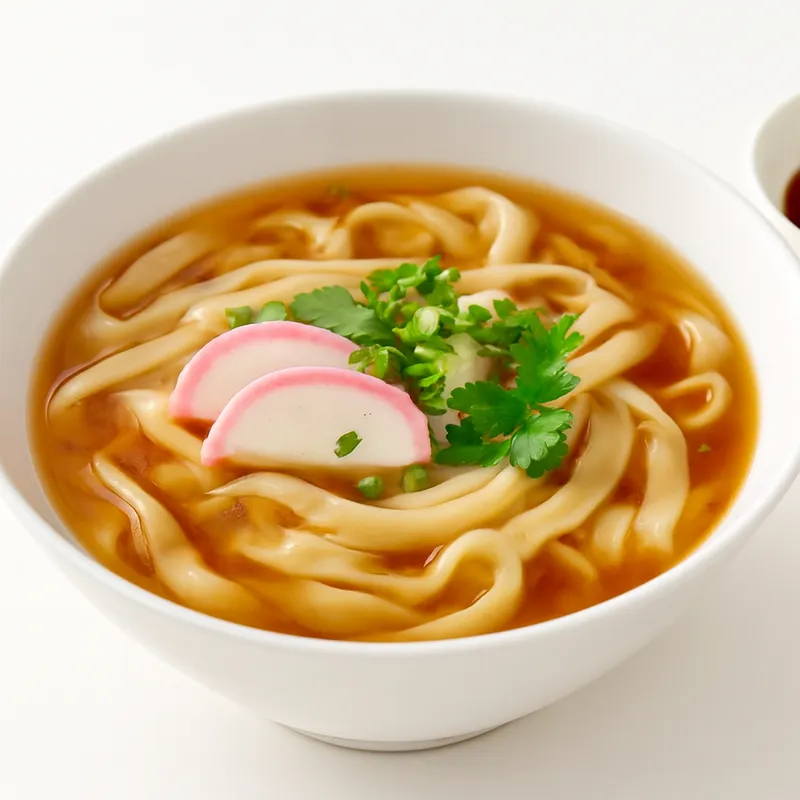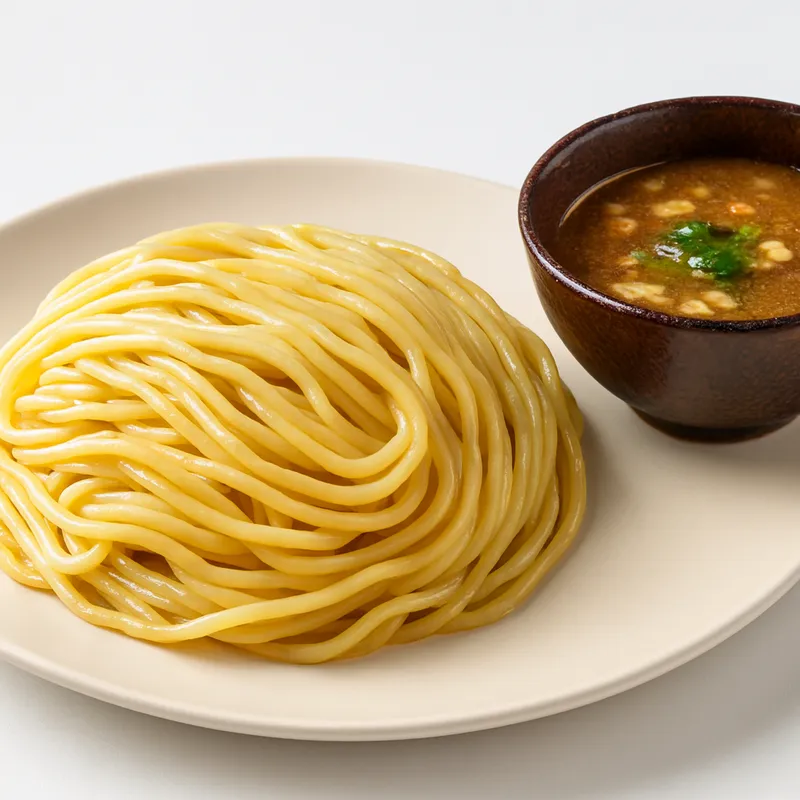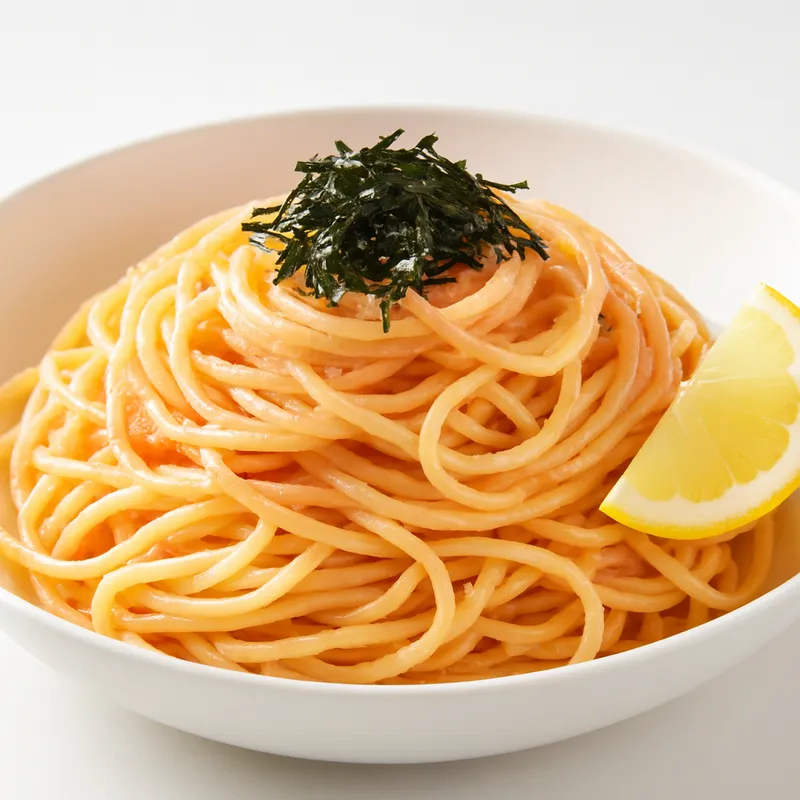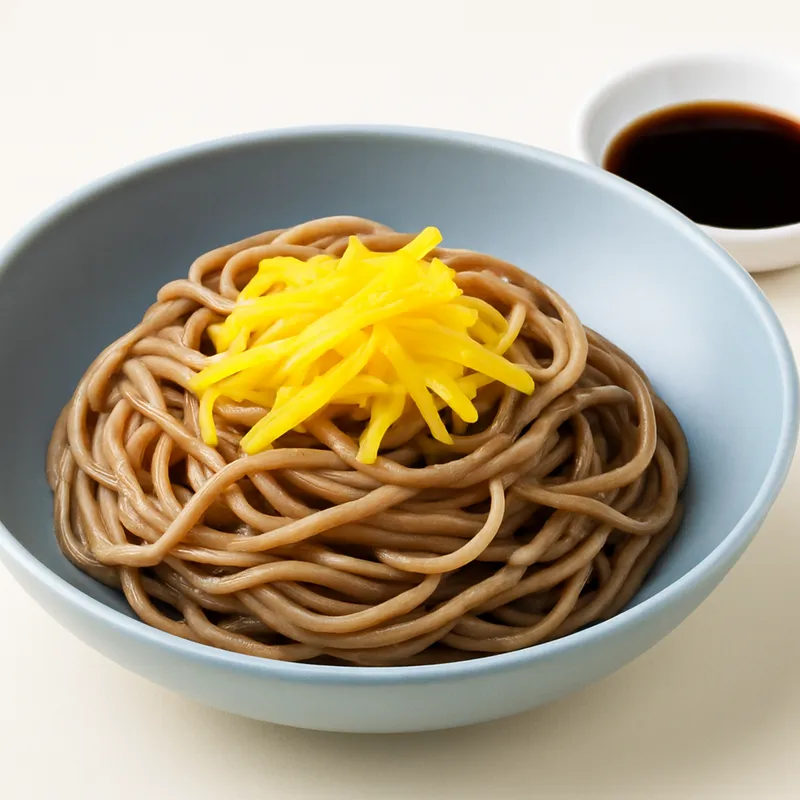
Cold soba noodles tossed with a savory sauce and topped with crunchy pickled radish.

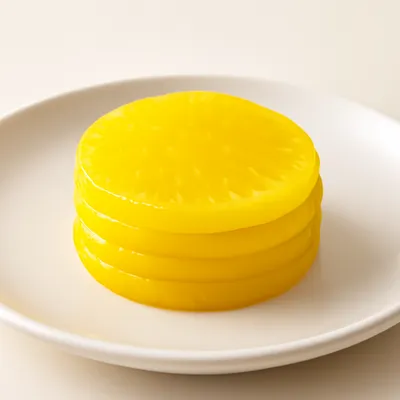


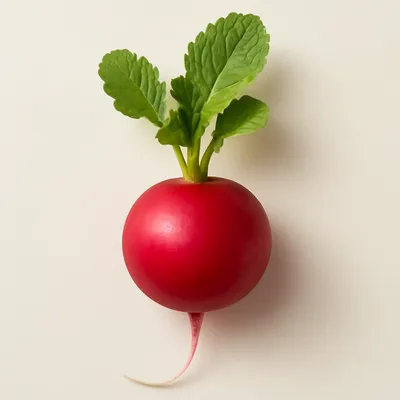
Soba culture concentrated in Edo (now Tokyo) from the 17th century — Kanto's hard water and Edo's beriberi epidemic made buckwheat (richer in B1 than rice) a near-medicinal staple sold from yatai stalls. Pickled radish as topping is a workaday addition rather than a refined garnish: takuan was the cheap household pickle every Edo home had jars of, and it kept the noodles sittable for the next customer.
Edo's hard water and a 17th-century beriberi epidemic put buckwheat (high in B1) on every yatai cart in town. Takuan on top is workaday Edo home stuff — the cheap pickle every household had jars of, salt and crunch against the buckwheat bitter.
Cold buckwheat noodles, gray-brown and flecked, served on a bamboo mat or in a shallow bowl with a thin tsuyu-style sauce. Yellow takuan or red beni-shoga radish goes on top — the crunch and salt-sweet-sour cut through soba's earthy bitterness. Slurp loud; the air pulled in chills the mouth and lifts the buckwheat aroma. Drink the hot soba-yu (cooking water) at the end.
Soba dough is held together by buckwheat's water-soluble proteins, not gluten — that's why pure 100% soba (juwari) breaks easily and why most shops cut with 20% wheat flour (nihachi, two-eight). The cooking water (soba-yu) is rich in dissolved rutin and protein, which is why it's drunk after the meal: the nutrition is in the water, not the noodle.
Variations
Juwari (100% buckwheat, brittle); nihachi (eight-buckwheat-two-wheat, the Tokyo standard); Sarashina uses only the inner endosperm and runs white; Izumo's warigo soba stacks three small lacquer bowls; Shinshu's togakushi is bundled in fan-shaped portions.
On the Palate
Where Soba Noodles with Pickled Radish sits in the Japanese flavor cloud
The noodles make or break this: cook soba only about 4 minutes to just-tender, then rinse hard under cold water to shock them and scrub off the surface starch — that rinse is what gives soba its clean, springy bite instead of a gummy tangle.
Ingredients


How it's made
4 steps · 10 min
- 15 min
Bring a large pot of water to a boil. Add the soba noodles and cook for 4 minutes until tender but firm. Drain and rinse under cold water to stop the cooking process and remove excess starch.
Watch outPull a strand at 4 minutes and bite: just-tender with a firm center, then rinse cold until the strands feel clean, not slippery.
- 22 min
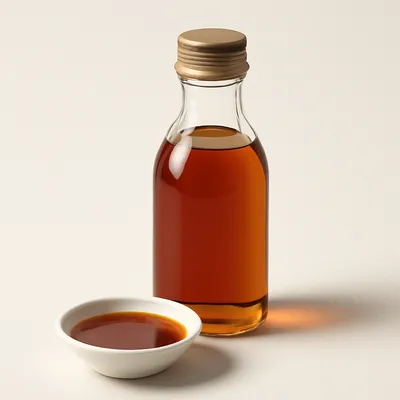
In a bowl, combine soy sauce and sesame oil. Toss the cooked soba noodles in this mixture, ensuring they're well coated and glossy.
Watch outToss only until the noodles turn glossy and every strand is lightly coated — no pooling sauce at the bottom.
- 31 min
Slice the pickled radish thinly. Mix the slices into the soba noodles, letting the flavors meld for a minute.
Watch outSlice the pickle thin so it folds through evenly and gives crunch in every bite.
- 42 min
Transfer the dressed noodles to a serving platter. Scatter finely chopped scallions over the top for a fresh bite.
Archive tool suggestions — not reviewed
These legacy suggestions have not been evidence-reviewed and are not presented as required tools.