



Documented in Nagoya from at least the Edo period (17th-18th century) as a regional flat-noodle form distinct from udon. One theory ties it to Kishu (modern Wakayama) merchants who traveled to Nagoya; another to 「雉麺」 (pheasant noodle), once a privilege dish of the Owari-Tokugawa house, whose later substitution of abura-age for pheasant (to let commoners eat it) is regarded by the Nagoya Board of Education as the most likely origin. Either way, the form was protected by the Owari domain's culinary tradition and never spread widely outside Aichi.
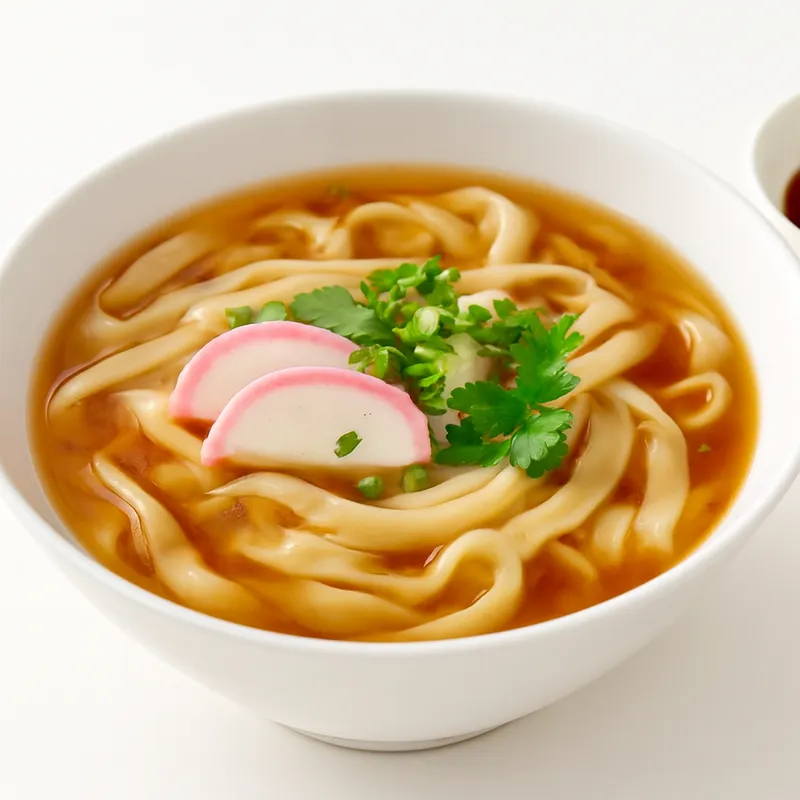
Documented in Nagoya from the Edo period as Owari-domain protected cuisine, distinct from udon. The ribbon is 7–8mm wide and barely a millimeter thick — flat surface holds more broth than a round udon strand of equal volume, so the bowl drinks like a soup-noodle hybrid. Gluten development is dialed down so the noodle yields to the broth.
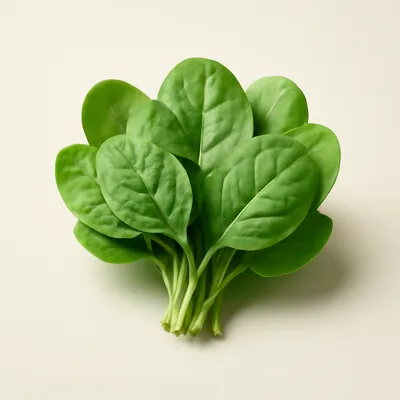
Flat ribbon noodles, about 7-8mm wide and barely a millimeter thick, served in a clear soy-dashi broth with kamaboko, abura-age, spinach, and a heavy snow of katsuobushi flakes that move from the steam. The noodle is wider and softer than udon, more slippery than chewy. Slurp loud — the broth needs to ride up the ribbon. A stiff, springy bite means it's not kishimen, it's flat udon.
Width changes the eating physics: a flat ribbon holds more broth on its surface than a round udon strand of equal volume, so kishimen drinks like a soup-and-noodle hybrid rather than a noodle bowl. The dough is rolled and folded the same as udon but pressed thinner — gluten development is dialed down so the noodle doesn't fight the broth. Hard-water udon flour misses the mark.
Variations
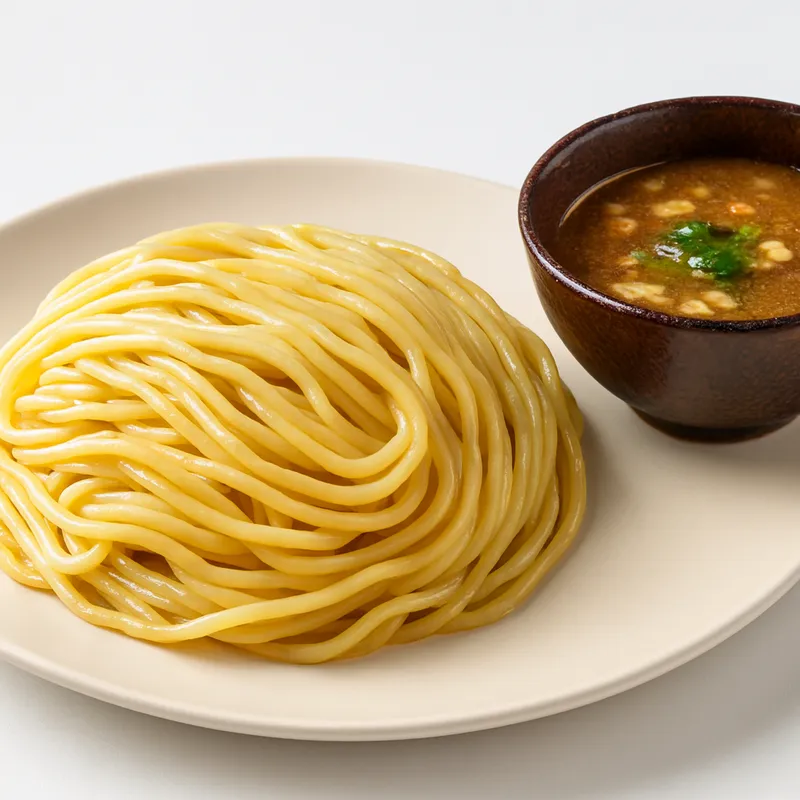
Miyakishimen runs the JR Nagoya Station platform stall that's the city's everyday fix; Yamamotoya Honten serves a miso-nikomi kishimen on cold days; Sumiyoshi in Atsuta runs the older purist version; cold zaru-kishimen with tsuyu is the summer format.
On the Palate
Where Kishimen sits in the Japanese flavor cloud
Ingredients


How it's made
5 steps · 22 min
- 18 min
In a large pot, bring 4 liters of water to a rolling boil. Add a generous pinch of salt, then drop in the kishimen noodles. Stir immediately to prevent sticking and cook until al dente, about 8 minutes.
Watch outStir the moment the noodles hit the water so they don't clump, and taste for a firm bite before draining, not soft.
- 25 min
While the noodles cook, in a separate pot, combine bonito flakes, soy sauce, and mirin. Bring to a gentle simmer over medium heat, infusing the broth with a rich, umami flavor for 5 minutes.
Watch outKeep the broth at a bare shiver with just a few bubbles; the bonito should steep, not boil, for a clean umami.
- 32 min
Strain the broth to remove the bonito flakes, returning the clear liquid to the pot. Keep it warm over low heat.
- 43 min
Drain the cooked noodles and rinse under cold water to stop the cooking process. Divide the noodles into serving bowls.
Watch outRinse the noodles cold until the surface stops feeling slippery-starchy — that's what keeps each ribbon separate and springy.
- 54 min
Pour the warm, savory broth over the noodles. Top with thinly sliced aburaage, fresh scallions, and blanched spinach. Serve immediately, allowing the aromas to envelop you.
Archive tool suggestions — not reviewed
These legacy suggestions have not been evidence-reviewed and are not presented as required tools.