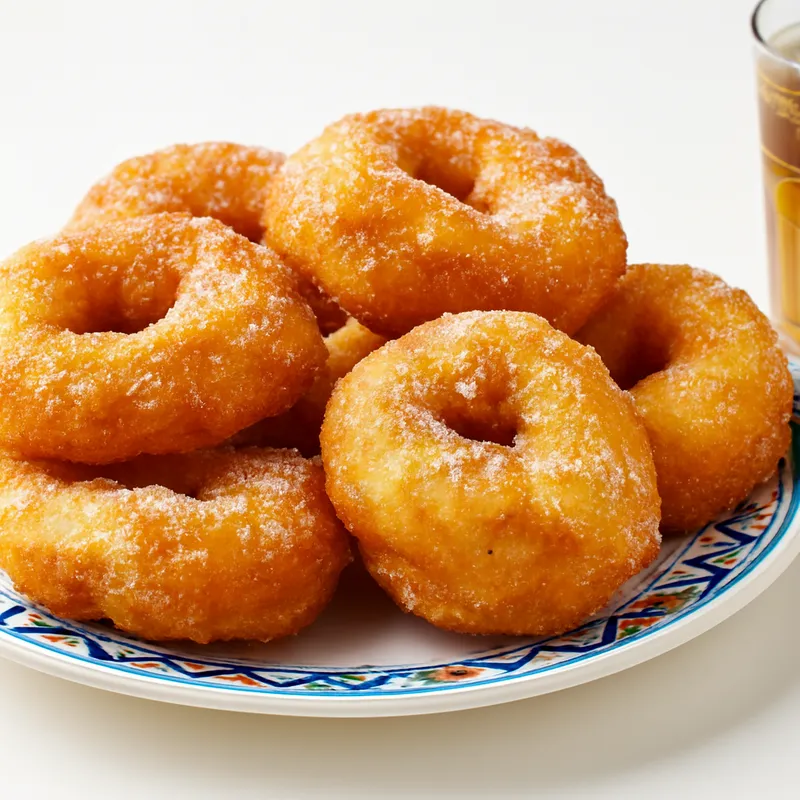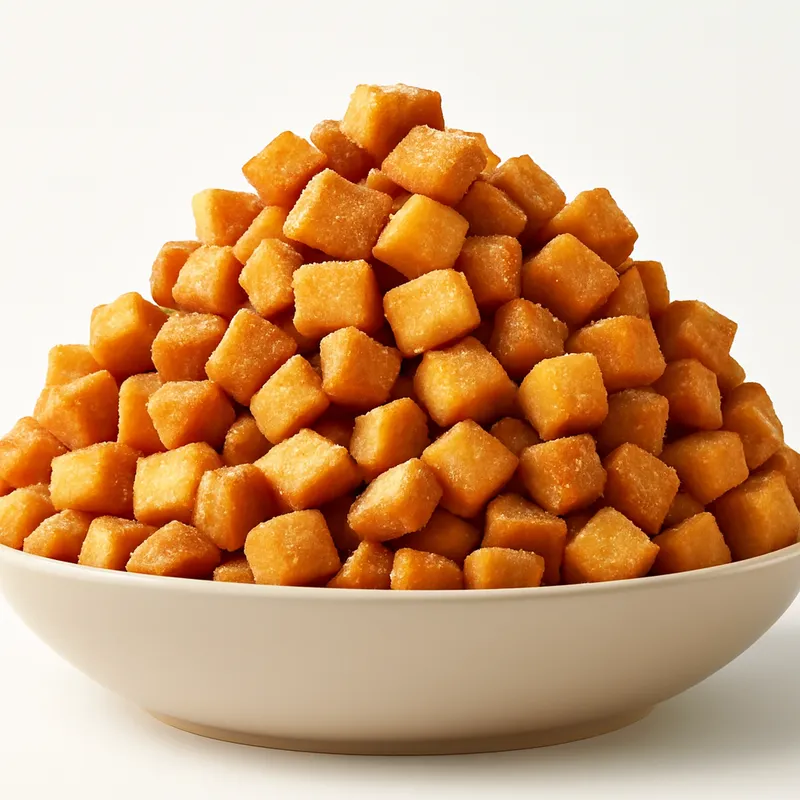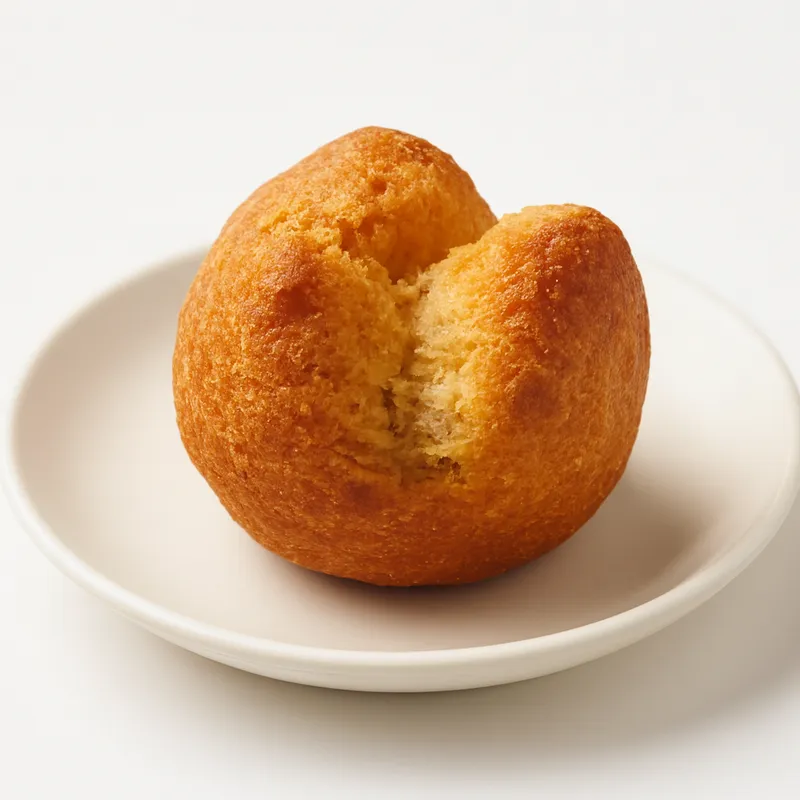
A golden, crispy fried doughnut ball with a tender, sweet interior.





No documentary records of its origin survive; it is widely held to descend from the Chinese kaikouxiao (開口笑) confection, brought back by Ryukyu cooks who studied in Qing-dynasty China. By the Ryukyu Kingdom era it was an established festival and ancestral-offering sweet. The name 「サーターアンダーギー」 is Okinawan: 「サーター」(sata) = sugar, 「アンダーギー」(andagi) = oil-fried. Made with kokuto from local sugarcane, which Ryukyu cultivated as a Chinese-trade export from the 17th century onward. Still ritual food at weddings and Obon.
Okinawan court confection from at least the 17th-century Ryukyu Kingdom — the cracked-open top is the tell that the oil was at 160°C, not the 180°C donuts go in at.
Golf-ball-sized fried dough, deep gold and cracked open at the top like a flower, with a dense cake-like interior — closer to a cake doughnut than to a yeasted one. Sweetened with kokuto (Okinawan brown sugar) so the inside reads molasses-warm. Eaten with the hands, room temperature; the crack on top means it bloomed correctly in the oil. A smooth-topped one was fried at the wrong heat.
The crack is a temperature dance: oil at 160°C (lower than most fried dough — donuts go in at 180°C+) lets the surface set slowly while the interior keeps expanding, splitting the top. Hotter oil seals the surface before the gas can escape, and the ball comes out smooth and dense. The batter uses egg and flour with no yeast — leavening is baking powder only — which is why the crumb stays cake-tight, not airy.
Variations
Plain kokuto is the Naha standard; Yomitan shops add purple-sweet-potato (beni-imo); modern Naha confectioners run black-sesame and brown-sugar peanut versions.
On the Palate
Where Sata Andagi sits in the Japanese flavor cloud
Ingredients

How it's made
5 steps · 25 min
- 15 min
In a large bowl, sift together the wheat flour, baking powder, and a pinch of salt to ensure a smooth batter. In another bowl, whisk the eggs with sugar and brown sugar until the mixture is pale and slightly thickened.
- 23 min
Slowly add the flour mixture to the egg mixture, stirring gently until just combined. Avoid overmixing to keep the dough tender.
Watch outOvermixing the dough can make the donuts tough and dense.
- 35 min
Heat vegetable oil in a deep pan to 170°C (340°F). The oil should be deep enough to allow the donuts to float freely.
Watch outEnsure the oil reaches the correct temperature to avoid soggy donuts.
- 410 min
Using a small scoop or your hands, form the dough into small balls and gently drop them into the hot oil. Fry until they turn golden brown and crisp, about 5 minutes per batch, turning occasionally for even cooking.
Watch outAvoid overcrowding the pan, as it can lower the oil temperature and lead to uneven cooking.
- 52 min
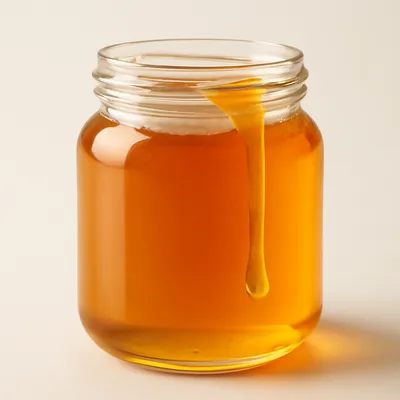
Remove the donuts with a slotted spoon and drain on a paper towel-lined plate. While still warm, drizzle with honey if desired.
Archive tool suggestions — not reviewed
These legacy suggestions have not been evidence-reviewed and are not presented as required tools.