


Okinawa
Goya Champuru: bitter melon, stir-fried.
goya champuru
Goya champuru is a stir-fried dish featuring bitter melon, showcasing Okinawa's unique ingredients and cooking style.
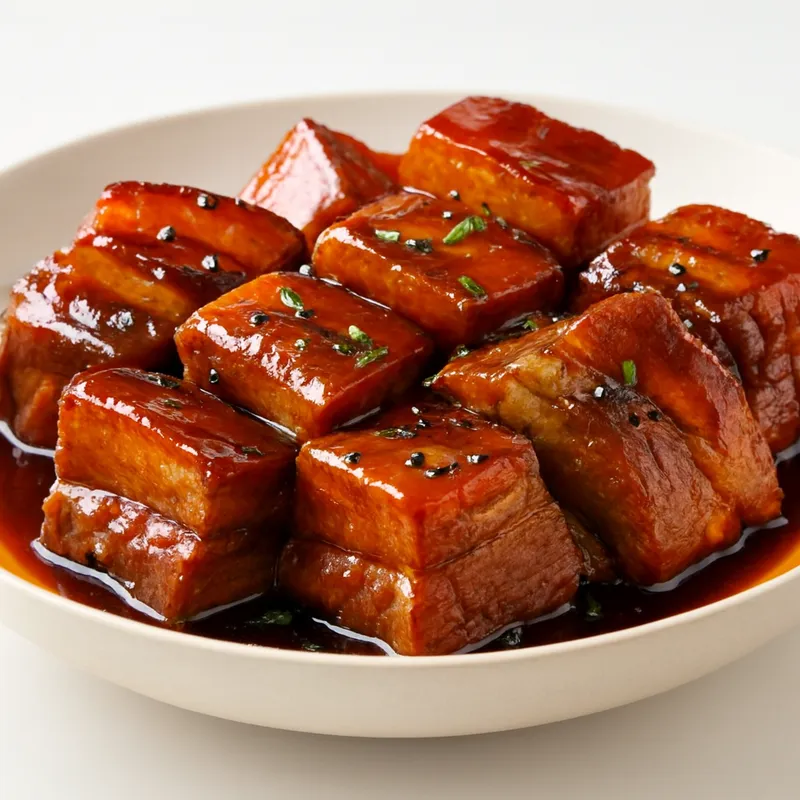
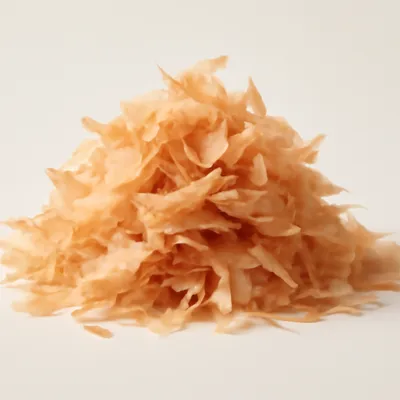
View page →Okinawa is Japan's subtropical southern island chain, once the independent Ryukyu Kingdom, and its food is distinct from the mainland's. The everyday dish is goya champuru, a stir-fry of bitter melon, firm tofu, egg, and pork (champuru means "mixed"). Pork is central, most famously in rafute, pork belly braised slow in soy, sugar, and the local rice spirit awamori. Okinawa soba is its own thing: thick wheat noodles, closer to udon, in a pork-and-bonito broth, usually topped with stewed pork ribs. American military presence left a taste for Spam, which folds into local stir-fries, and the island's cooking is often tied to its reputation for longevity.
The Palate
Dishes to explore
Goya Champuru
A bright stir-fry that skillfully balances the crisp bitterness of goya with savory notes.
This dish exemplifies Okinawa's use of local produce and bold flavors.
Okinawa Taco Rice
A fusion dish where spicy taco flavors meet fluffy, mild white rice.
It reflects Okinawa's culinary openness to Western influences.
Rafute
A melt-in-your-mouth pork dish that showcases slow-cooked richness with a hint of sweetness.
Rafute highlights Okinawa's traditional cooking techniques and flavor profiles.
The Pantry





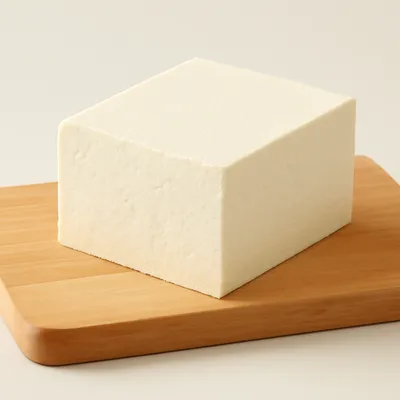

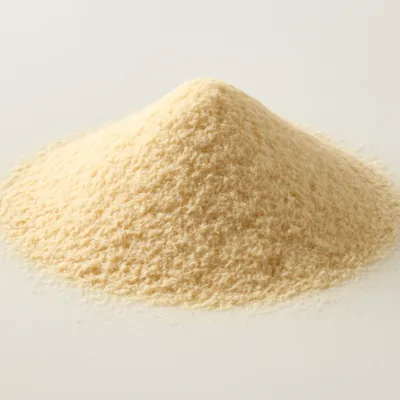
See all 74 ingredients›











Herbs & Spices










Sauces & Condiments





How They Cook
Methods linked to dishes in this catalog
See 9 more techniques›
Other regions
Siblings within Japanese — each its own tradition.