

Kyushu
Hakata Ramen: pork broth, thin noodles.
tonkotsu ramen
Tonkotsu ramen, with its rich pork bone broth, is a hallmark of Kyushu's hearty and savory flavor profile.
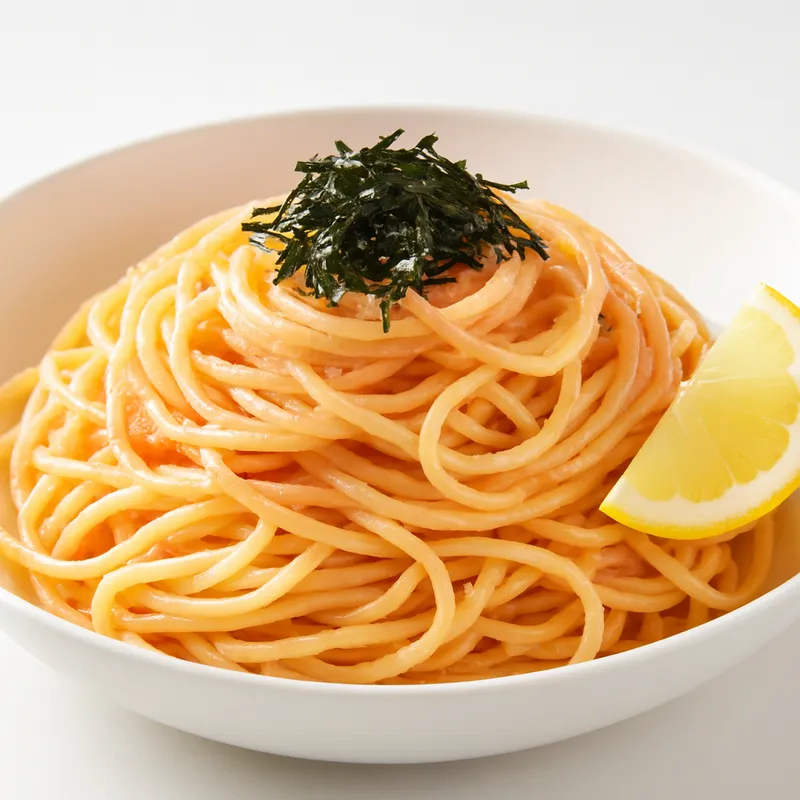
View page →Kyushu is Japan's southwestern island, and its best-known export is Hakata tonkotsu ramen from Fukuoka: thin straight noodles in a cloudy, rich broth boiled for hours from pork bones. Fukuoka also gave the country motsunabe, a hot pot of beef offal with cabbage and garlic chives, and mentaiko, pollock roe cured with chili. Karaage, soy-and-ginger-marinated fried chicken, is a Kyushu staple, and Nagasaki's champon piles seafood, pork, and vegetables over noodles in a milky broth, a dish shaped by Chinese trade. Kagoshima is known for black pork (kurobuta) and, across the island, the distilled spirit of choice is shochu rather than sake.
The Palate
Start Here
A steaming bowl of velvety pork-bone broth wraps silky ramen noodles in deep umami.
Why start here · This dish's rich broth and silky noodles are the heart of Kyushu's culinary identity.
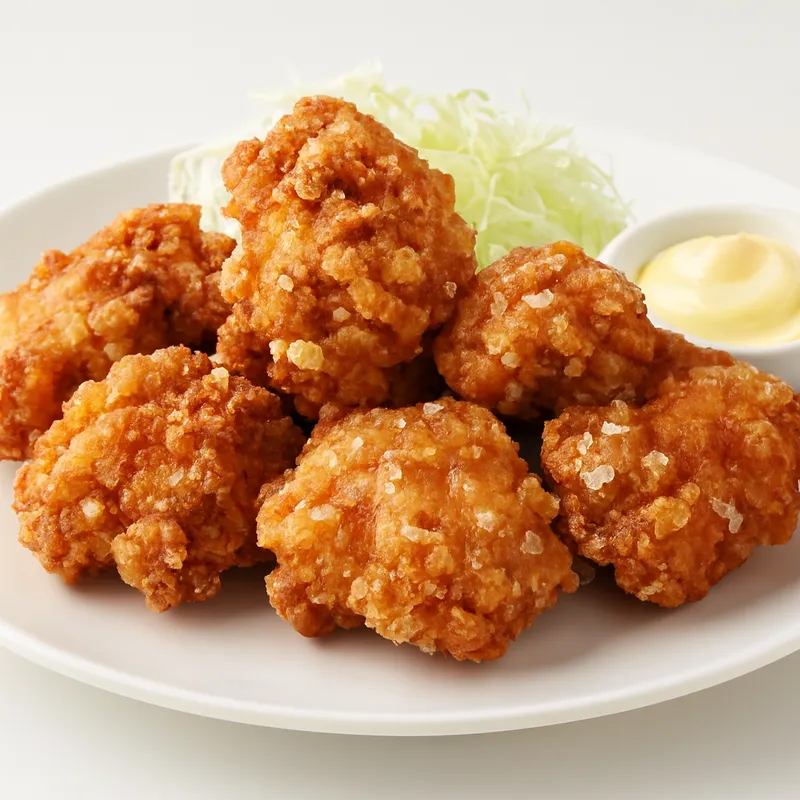
Japanese-style bite-sized fried chicken marinated in soy, ginger, and garlic, coated in potato starch for an extra-crispy shell.
Why start here · Its crispy texture and savory marinade highlight Kyushu's approach to bold and balanced flavors.
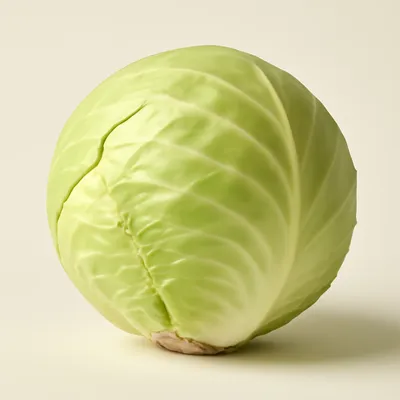
A hearty, bubbling hotpot where the rich flavor of beef offal meets fresh cabbage and chives.
Why start here · This hotpot embodies Kyushu's love for rich, warming dishes that bring people together.
The Pantry








See all 101 ingredients›













Herbs & Spices




















How They Cook
Techniques that define this cuisine
Kindred Kitchens
Cuisines built on the same signature ingredients
Other regions
Siblings within Japanese — each its own tradition.
Signature Dishes (23)
Browse all 23 dishes›

Mains
18