Kumiko Yamadera soy-broth version; optional noodle finish
Method sources: Kumiko Yamadera: Motsunabe · Food Safety Commission of Japan: heating beef and beef offal · MHLW: household cooking and cross-contamination guidance
A hearty hotpot of beef offal with cabbage and garlic chives in a soy or miso broth.
Born in Hakata (Fukuoka) in the immediate postwar years, late 1940s, when Korean residents and returning soldiers cooked cheap beef offal — long treated as a worthless discard (Kansai "hoorumon", "the stuff you throw away") and eaten as cheap stamina food in Fukuoka's coal-mining region — in aluminum pots with whatever vegetables were available. The dish stayed local until a 1992 Tokyo boom carried it nationwide (it won the New Words/Buzzwords bronze award that year). Original style is shoyu-based; miso came later as a Kyushu-Tohoku crossover.
Born in postwar Hakata, late 1940s — Korean residents and returning soldiers cooked beef offal that occupation forces threw out. Original is shoyu-based; miso came later as a Kyushu-Tohoku crossover. Parboil-rinse the motsu three times until the water runs clear or the broth turns sour.
A shallow earthenware pot bubbling at the table: beef intestine (motsu) in a soy-or-miso broth, packed with mountains of cabbage and Chinese garlic chives, whole garlic cloves, sliced chili. The motsu is chewy and fatty in alternating bites — small intestine for fat, large intestine for snap. After the meat and veg are eaten, champon noodles or rice goes into the leftover broth. The fat slick on top is the point, not a flaw.
On the Palate
Where Motsunabe sits in the Japanese flavor cloud
Ingredients
2–3 servings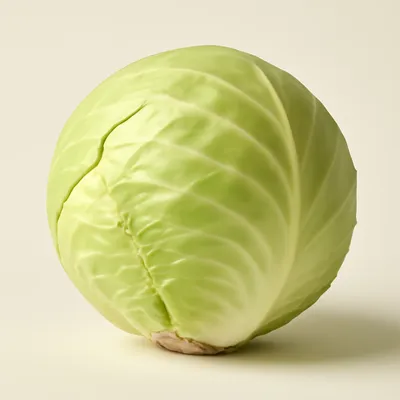











How it's made
5 steps · About 30 min for the hotpot; optional noodles take extra package time · Reserve about 30 min in the kitchen (source total, not measured hands-on time)
- 11–2 min blanching
Boil the blanching water; add intestines for 1–2 minutes. Drain, briefly rinse and drain again.
Watch outBlanching is preparation, not the final cooking endpoint.
- 2Prepare ingredients
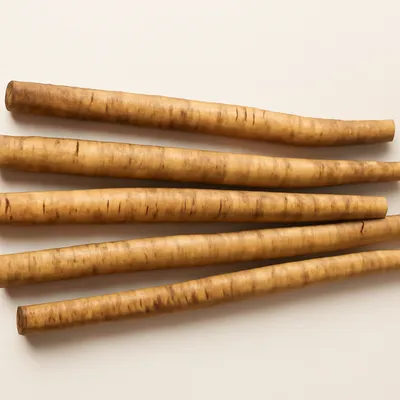
Snip fine cuts along both sides of the intestinal lining; cut large intestine bite-size. Chop cabbage, chives and tofu; separate shimeji. Shave and rinse burdock. Slice garlic and julienne ginger.
Watch outKeep raw-meat tools and splashes away from ready-to-eat food; clean tools and hands.
- 3Bring to a boil
Bring broth water, soy sauce, mirin, sake, salt, dashi granules, garlic and ginger to a boil.
- 4About 5–10 min combined simmer
Add intestines, cabbage, burdock and shimeji; simmer over medium heat. Add sprouts and tofu, then chives, sesame oil and optional chili. The combined simmer is about 5–10 minutes; continue until everything is cooked through.
Watch outCheck the thickest intestine with a thermometer: reach 75°C and hold at least 1 minute. Continue heating if needed; smell is not a safety check.
- 5Optional: follow noodle package time
If using the optional noodle finish, bring the remaining broth back to a boil. Loosen the prepared noodles in it and cook for the package time until tender.
Watch outThis extra finish is not included in the 30-minute hotpot estimate.
Archive tool suggestions — not reviewed
These legacy suggestions have not been evidence-reviewed and are not presented as required tools.