



Miso paste arrived from China during the Asuka period (around 600 AD) as a fermented soybean condiment, but miso soup specifically — paste whisked into dashi — emerged in the Kamakura era (1185-1333) when Buddhist monks codified it as part of the ichiju-issai (one soup, one side) monastery meal. By the Muromachi period it was a daily commoner staple; the Japanese still measure home cooking competence by a wife's miso soup.
Dashi first, miso last — never boil the miso once it's in or you kill the koji enzymes. White (shiro) miso aged 2-8 weeks is sweet; red (aka) aged 1-2 years is salty and deep.
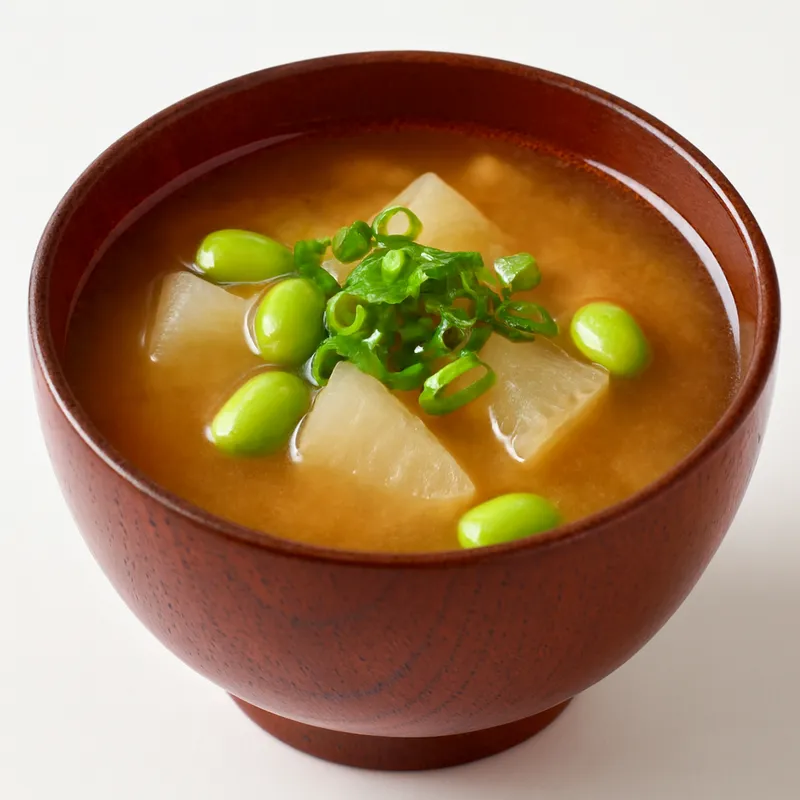
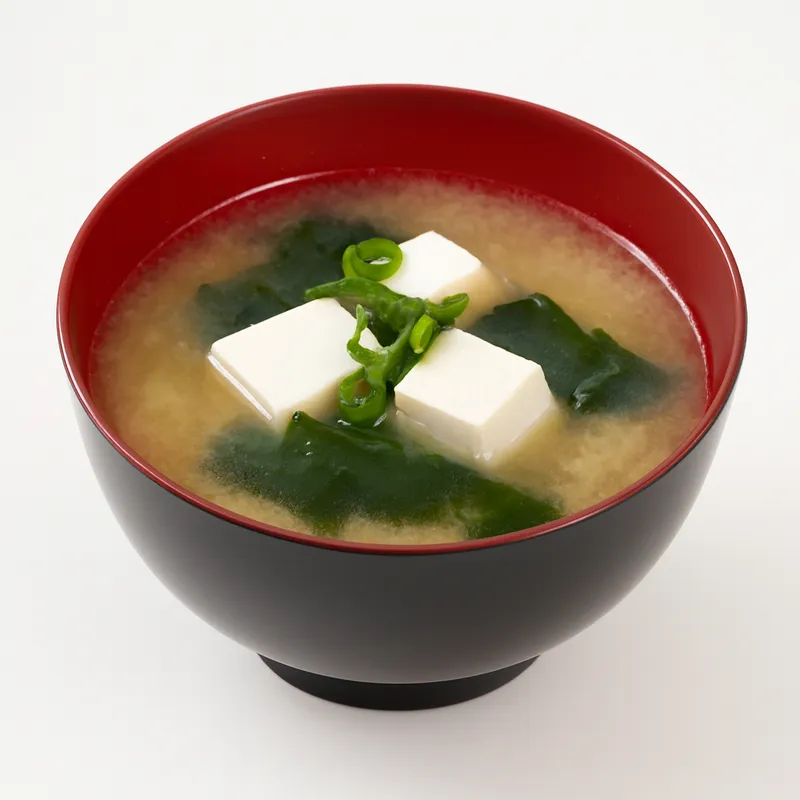
A small lacquer bowl, lifted to the lips and sipped — the spoon is an afterthought. Cloudy tan broth, miso settled at the bottom if it sits, suspended particles of seaweed, soft tofu cubes, scallion floats. Smells of dashi smoke and sea before the salty-fermented miso lands. Finished by tipping the bowl; what remains is wakame and tofu eaten with chopsticks.
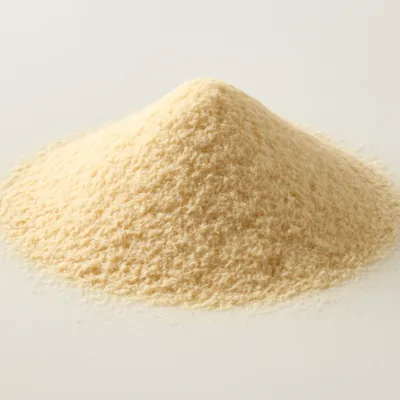
Never boil miso. Once dashi is hot, heat off, then whisk miso through a strainer into the pot — boiling kills the live koji enzymes and drives off the volatile aromatics that carry the funk. White miso (shiro) gives sweeter, lighter soup; red miso (aka) is saltier and aged longer. Awase (blended) is the home default. Dashi quality matters more than miso brand: bonito-kombu dashi made that morning beats any expensive paste over instant powder.
Variations
Tokyo aka-dashi runs red miso; Kyoto white-miso version is sweet and pale; Nagoya hatcho miso soup is the darkest and longest-aged; Hokkaido fishermen's tonjiru adds pork and root vegetables.
On the Palate
Where Miso Soup sits in the Japanese flavor cloud
Ingredients

How it's made
4 steps · 13 min
- 15 min
In a medium saucepan, bring 4 cups of dashi to a gentle simmer over medium heat. The aroma should be subtly smoky and oceanic, reminiscent of the sea breeze.
Watch outPull the dashi off before it boils — you want a faint steam and a smoky-oceanic smell, not bubbles; a hard boil turns kombu bitter.
- 23 min
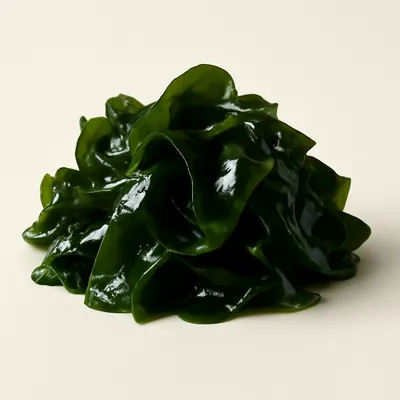
Meanwhile, cube the tofu into bite-sized pieces. Rinse the wakame under cold water to rehydrate, then drain and set aside.
- 33 min
Reduce the heat to low and whisk in the miso paste, ensuring it dissolves completely without boiling. The broth should turn a cloudy, rich beige.
Watch outAdd the miso off the heat and stop the second it clouds the broth to a rich beige — reheating past a simmer wastes the aroma.
- 42 min
Add the tofu and wakame to the soup. Let them warm through gently, the tofu should remain tender and the wakame should be a vibrant green.
Watch outJust warm the tofu and wakame through — the tofu should stay tender and the wakame a bright green, not stewed to mush.
Archive tool suggestions — not reviewed
These legacy suggestions have not been evidence-reviewed and are not presented as required tools.

Hand-held wire loop tool for beating eggs, whipping cream, emulsifying dressings, and incorporating air into batters. Balloon whisks (large round head) for whipping cream and meringues; French whisks (narrow tear-drop) for sauces in pots; flat whisks (gravy) for pan sauces. Stainless steel is universal; silicone-coated for non-stick pans.

Round metal pot, 14-26 cm diameter, with vertical walls and a long handle, designed for sauces, soups, oatmeal, rice, boiled vegetables. The vertical walls minimize evaporation (vs. a sauté pan). Sizes: 1 qt for melting butter, 2-3 qt for sauces, 4 qt for soups. Stainless-steel-clad aluminum or copper is best for conduction; cast-iron is too thick for delicate sauces.