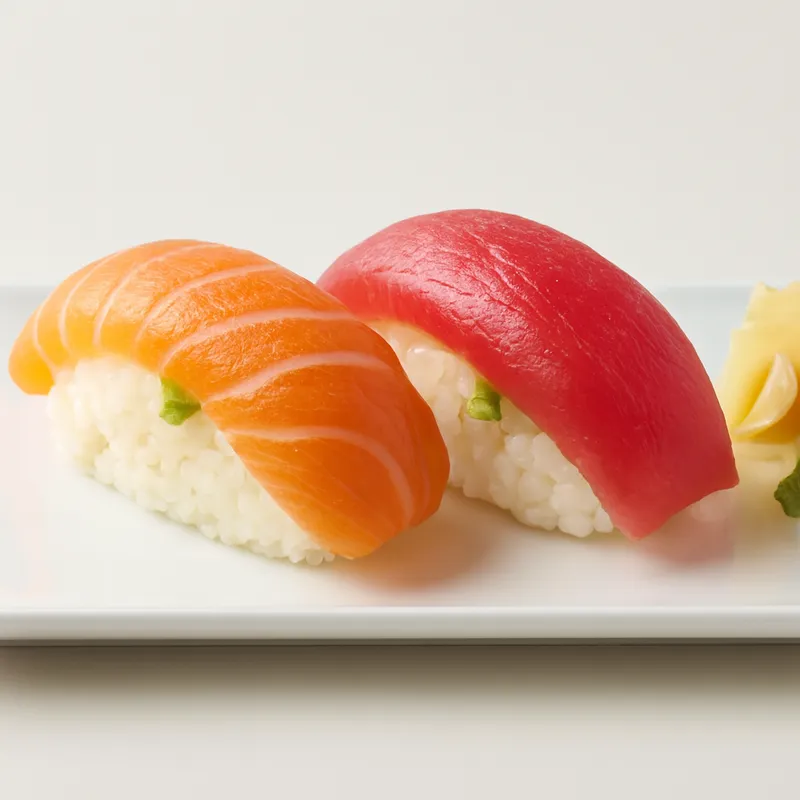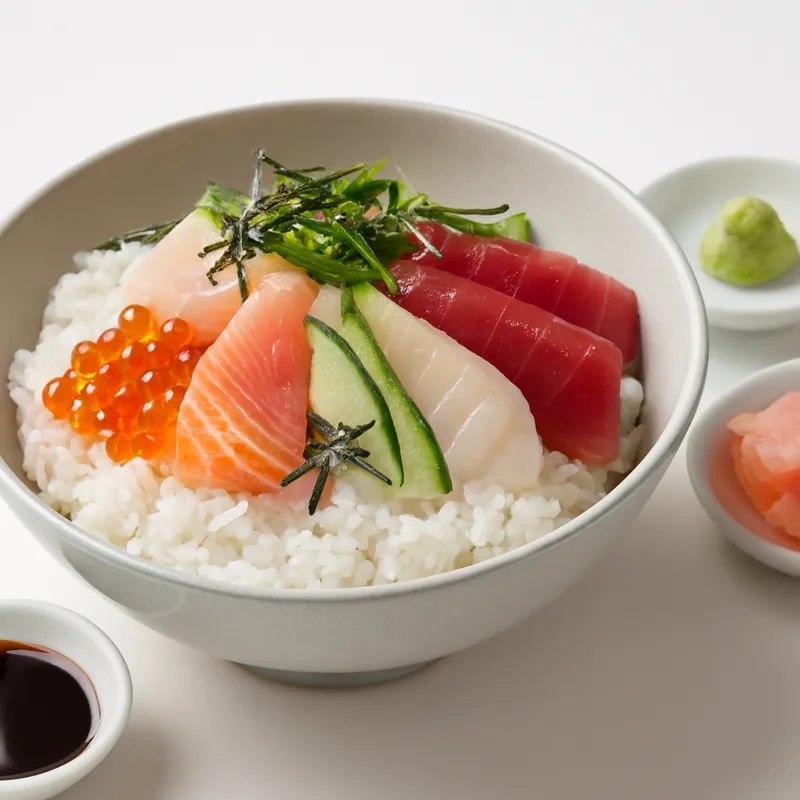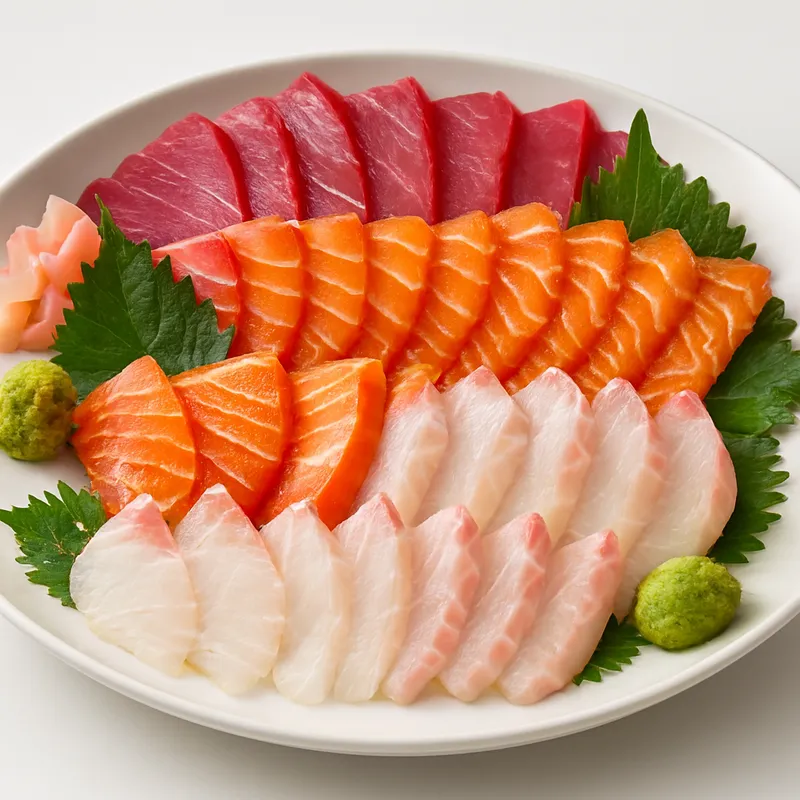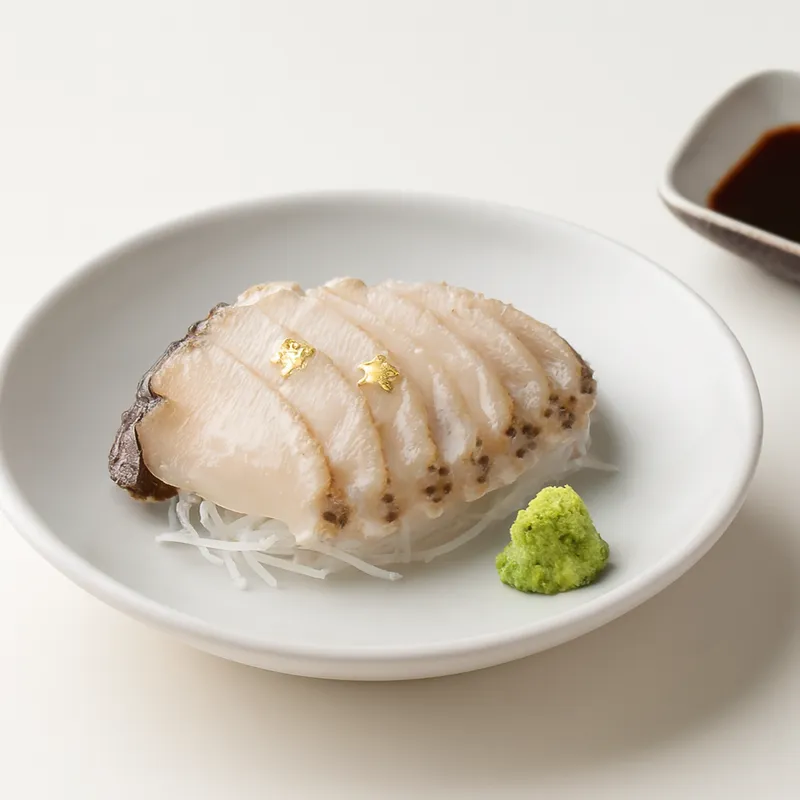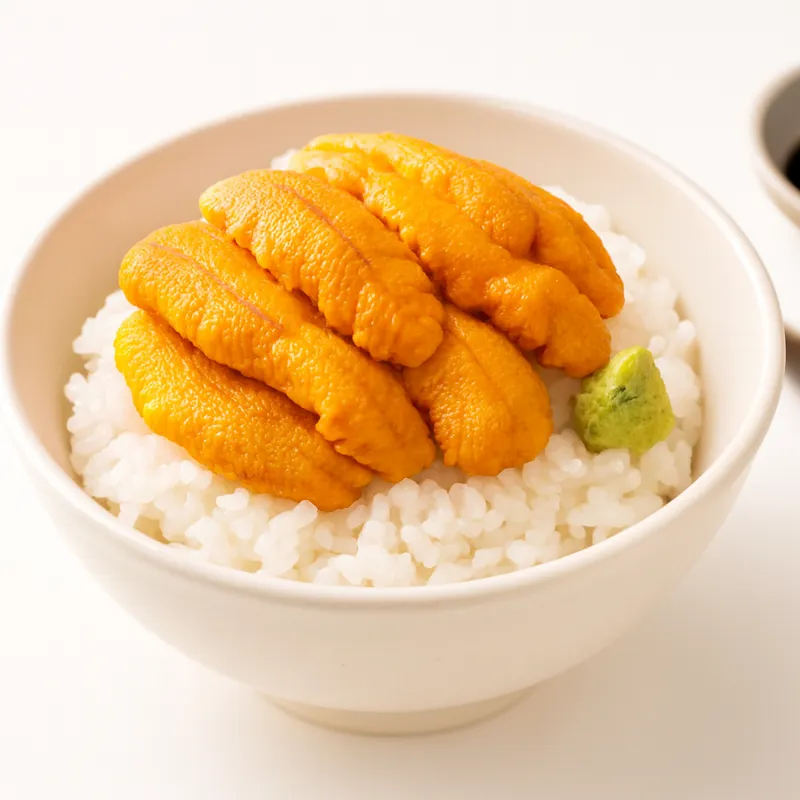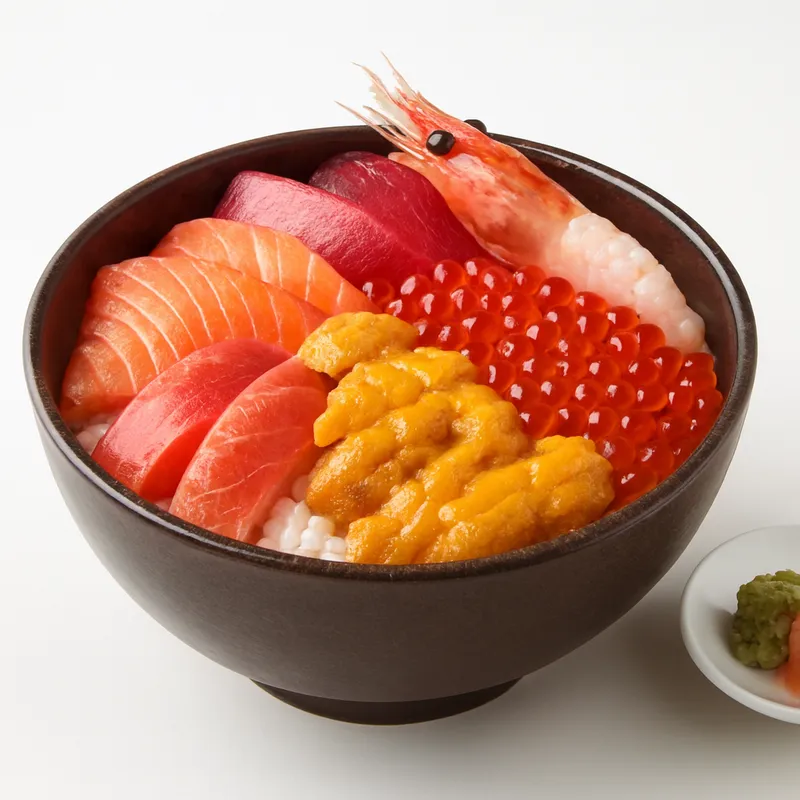
A bowl of sushi rice topped with the freshest catch of the day, from creamy uni to salmon roe.

A Hokkaido and Tohoku fishing-port format, popularized in places like Hakodate's morning market and Otaru from the 1970s onward as fishermen's mess hall food turned tourist staple. The dish predates that as everyday fishermen's eating — fresh-off-boat scraps over rice — but the multi-topping presentation in a lacquer bowl is restaurant-era. Distinct from chirashizushi, which uses cured/cooked toppings and is more refined.
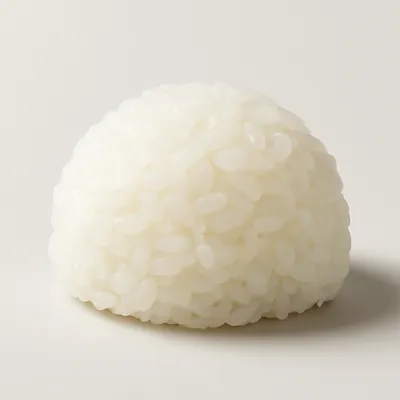
Hakodate morning market and Otaru built the multi-topping bowl format from the 1970s onward, off the back of fishermen's mess-hall eating. The shari is the underrated half — 10:1:1 rice-to-vinegar-to-sugar by weight, fanned to body temperature so cold fish doesn't tighten it and warm fish doesn't cook.
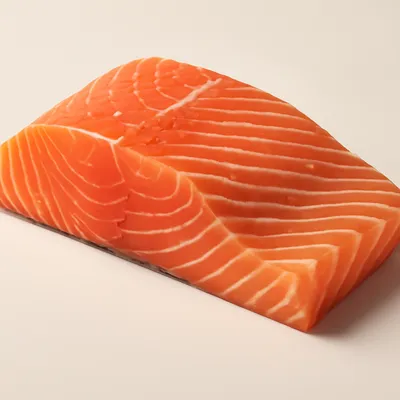
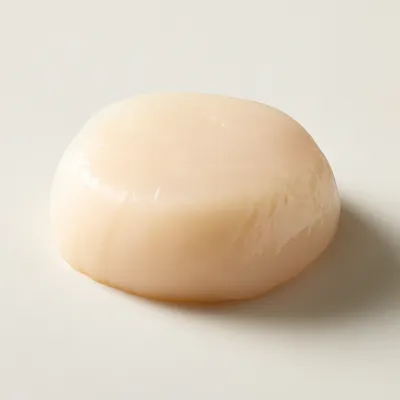
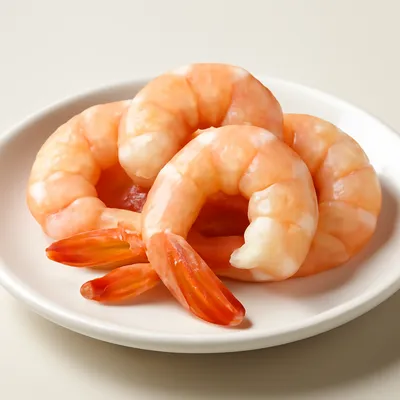
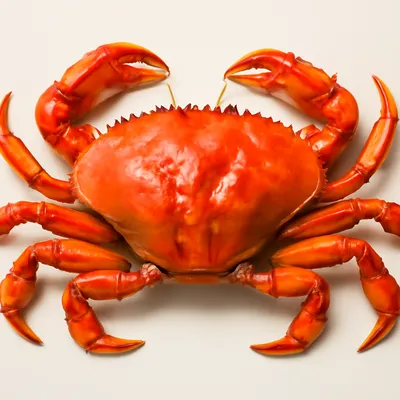
A bowl of warm vinegared sushi rice topped with raw seafood — typically uni, ikura, scallop, salmon, tuna, sweet shrimp, sometimes crab. Each piece is its own bite; you don't mix it. Soy and wasabi on the side. The temperature contrast is the trick — slightly warm rice under cold raw fish — and a good shop times it so the rice has not yet cooled when the bowl reaches you.
The seafood selection follows the day's auction, not a recipe. A serious kaisendon shop posts the morning's harbor list and the bowl changes accordingly. The rice is the under-discussed half: properly seasoned shari needs the right rice-to-vinegar-to-sugar ratio (commonly 10:1:1 by weight after cooking) and is fanned to body temperature — too cold and the rice tightens, too hot and the raw fish above starts cooking.
Variations
Hakodate Donburi-Yokocho's Kikuyo-shokudo runs the canonical morning-market version; Otaru's Sankaku Market style heaps uni and ikura; Sapporo's Nijo Market does crab-heavy bowls; tekkadon is the single-tuna minimalist; bara-chirashi cuts everything into cubes for a denser bite.
On the Palate
Where Kaisendon sits in the Japanese flavor cloud
The seasoned rice is the make-or-break, not the fish — fold the vinegar-sugar-salt into hot rice at the right ratio and fan it down to body temperature, because cold rice tightens and hard while rice still warm enough to start cooking the raw fish laid on top ruins both.
Ingredients



How it's made
5 steps · 17 min
- 15 min
Rinse the sushi rice under cold water until the water runs clear. Cook according to package instructions until tender, then let it cool to room temperature.
Watch outRinse the rice until the water runs clear, then after cooking cool it toward body temperature — not fridge-cold, just no longer steaming-hot.
- 22 min
Arrange the cooled sushi rice in a large donburi bowl, spreading it evenly to form a bed for the toppings.
- 35 min
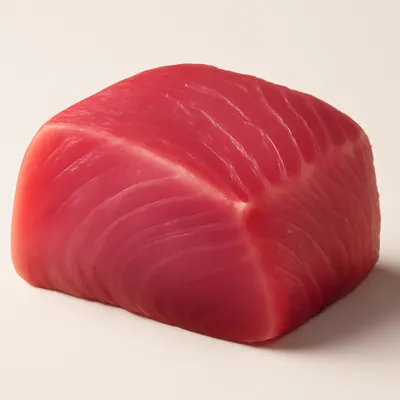
Artfully arrange slices of tuna, salmon, and scallop over the rice, allowing the vibrant colors to contrast against the white rice.
Watch outLay the slices in overlapping fans with a bit of shine on them — glossy, firm fish reads fresh; dull or weeping fish is past it.
- 43 min
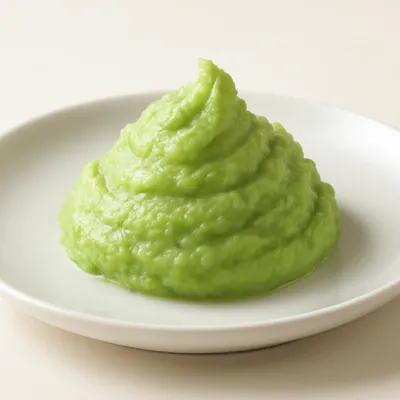
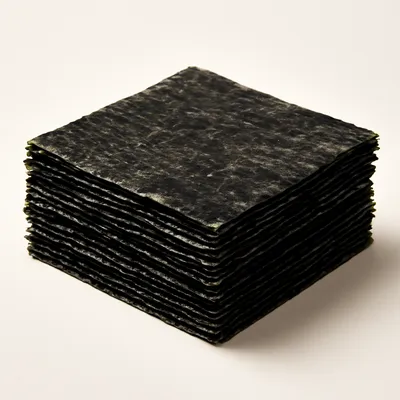
Add a spoonful of sea urchin and a few strips of nori for texture. Place a small dollop of wasabi on the side for those who prefer extra heat.
- 52 min
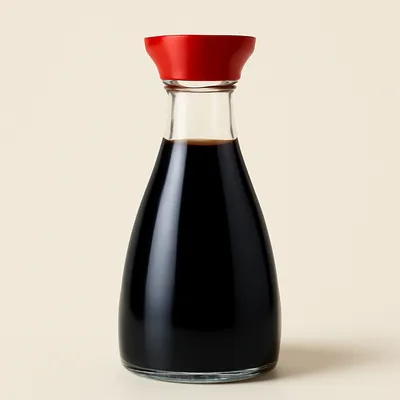
Serve with soy sauce on the side, allowing diners to drizzle it over their donburi to taste.
Archive tool suggestions — not reviewed
These legacy suggestions have not been evidence-reviewed and are not presented as required tools.