In Practice
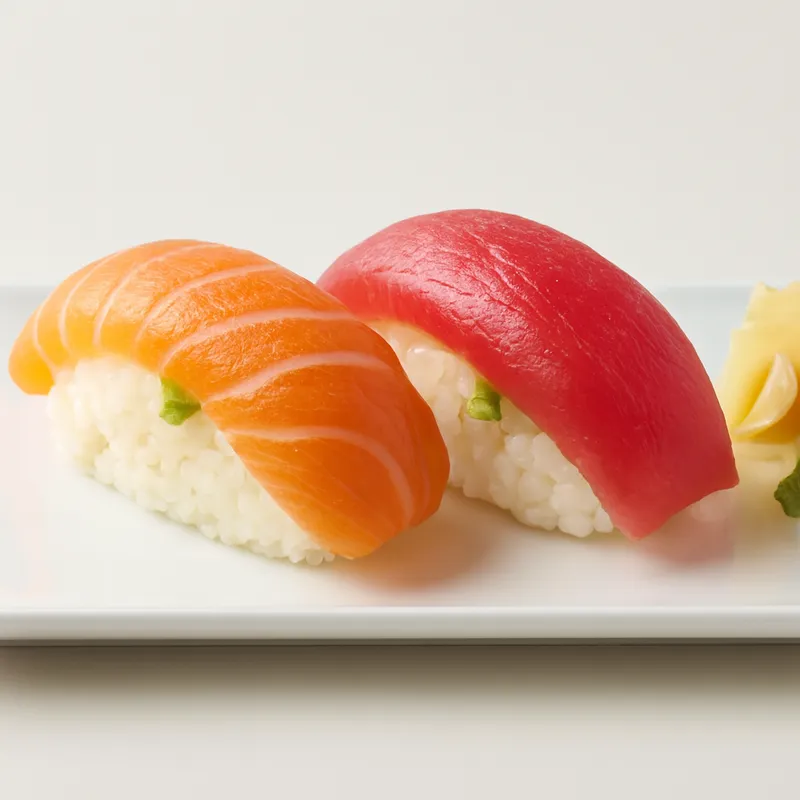
Shari rice cooked slightly firm (water:rice 1:1, not 1.2:1), spread on a flat-bottomed hangiri to cool to ~37°C while the sushizu (vinegar+sugar+salt at roughly 5:2:1 by weight) is fanned in. Each nigiri is 18-22g rice, hand-formed in 3-4 motions (tegaeshi). Neta is cut against the grain in 8-10g slices at a 30° angle. Aging is fish-specific: shime saba (mackerel) cured 30-60 minutes salt then 20 minutes vinegar; maguro otoro served same-day; tai aged 24-72 hours for inosinate buildup. Failure modes: rice too hot when seasoned breaks down into mush; over-curing mackerel turns the protein chalky.
Background
In the bustling streets of early 19th century Edo, now Tokyo, Edomae-zushi emerged as a fast-food innovation. With the city growing rapidly, street vendors needed a quick yet satisfying meal for workers on the go. The proximity to Tokyo Bay provided an abundance of fresh fish, and the idea of combining this with vinegared rice, or “shari,” created a portable delicacy that suited the needs of its time.
As Edo transformed into modern Tokyo, Edomae-zushi evolved and refined, becoming a culinary art form. While the original concept focused on convenience, chefs across Japan began to emphasize quality and skill, leading to regional variations. In Osaka, for example, sushi is pressed rather than hand-formed. However, the spirit of Edomae-zushi remains, with its emphasis on fresh, local ingredients and the mastery of simple techniques.
How It Works
Two parallel transformations. The rice (shari) is seasoned with komezu vinegar (~4.2% acetic acid), sugar, and salt at body temperature — the acid drops surface pH below 4.5, inhibiting Bacillus and giving the sticky-glossy texture as starch retrogrades partially. The fish (neta) is treated by technique-specific aging: kobujime (kelp-pressing) draws moisture and donates glutamate; zuke (soy marinade) firms tuna via osmotic dehydration; nikiri brushing seals the surface.



Through Time
Invented in 1820s-1830s Edo by Hanaya Yohei in the Ryogoku district as fast street food — pre-vinegared rice meant no overnight fermentation wait like the older nare-zushi. Codified post-1923 Great Kanto earthquake when displaced Edo chefs spread the style nationally. Jiro Ono of Sukiyabashi Jiro (b. 1925, three Michelin stars 2007-2019) became the modern reference point; David Gelb's 2011 documentary made the technique globally legible.
Related cooking knowledge
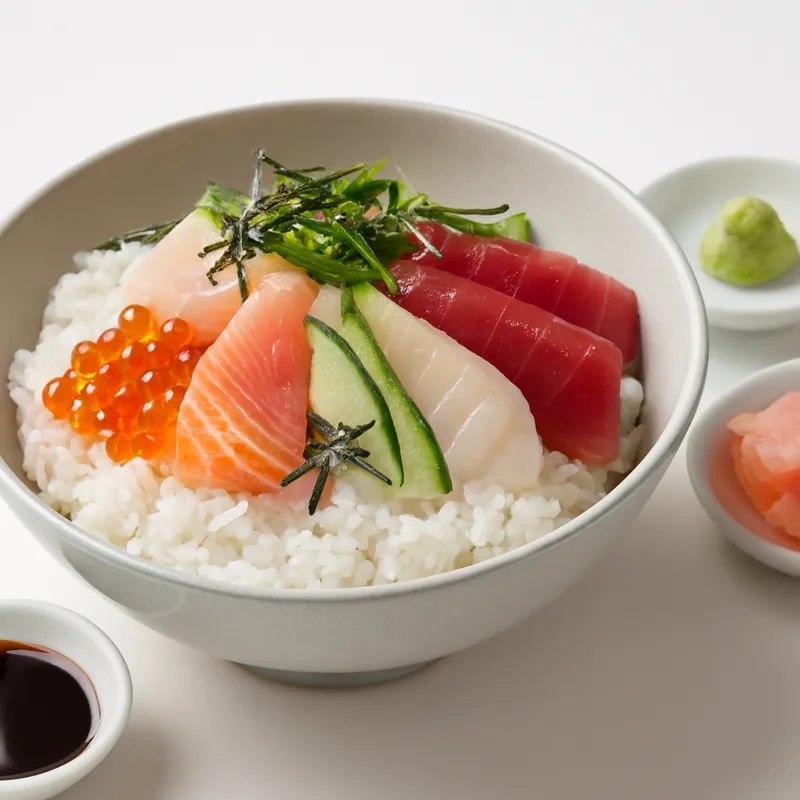
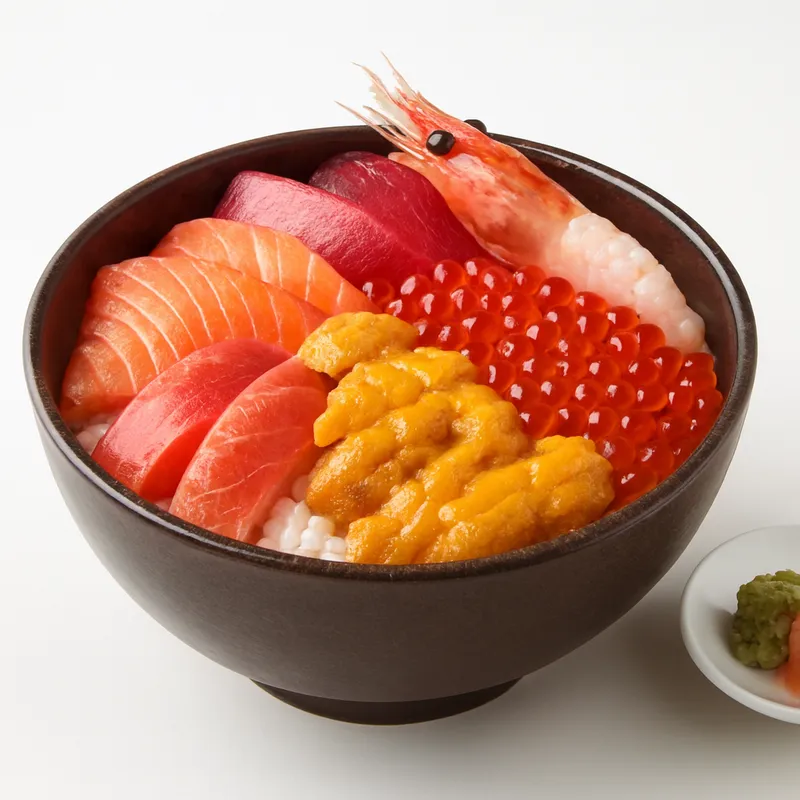
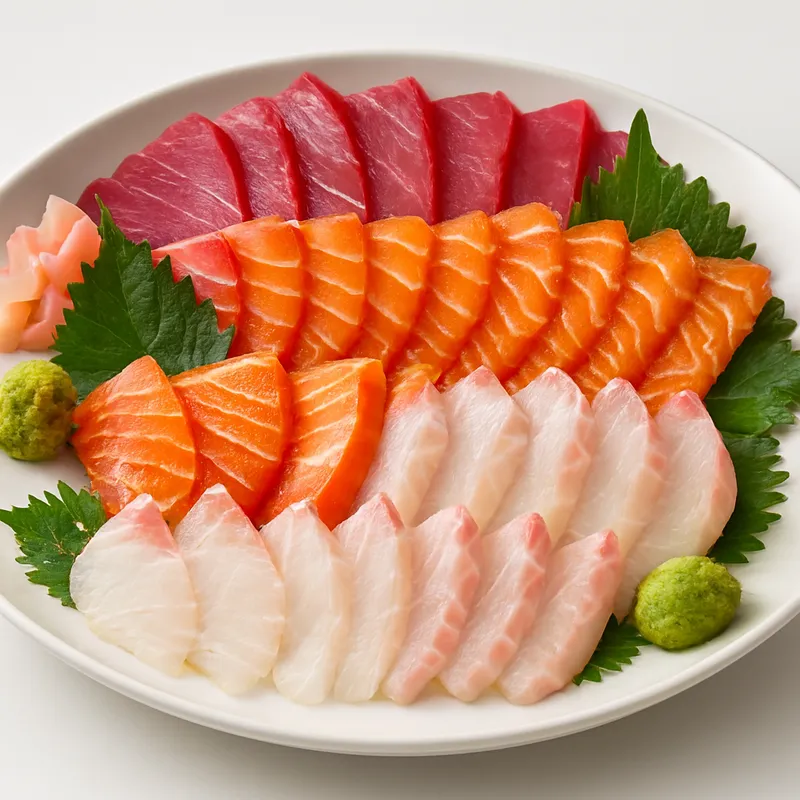
Nare-zushi (8th century fermented rice-fish, 6-12 month cure) is the lactic-acid ancestor edomae replaced. Oshizushi (pressed Osaka style) and chirashi share the seasoned-rice base with different assembly. Gravlax and Edomae's kobujime overlap on salt-driven moisture migration. Sashimi is edomae minus the rice carrier.


