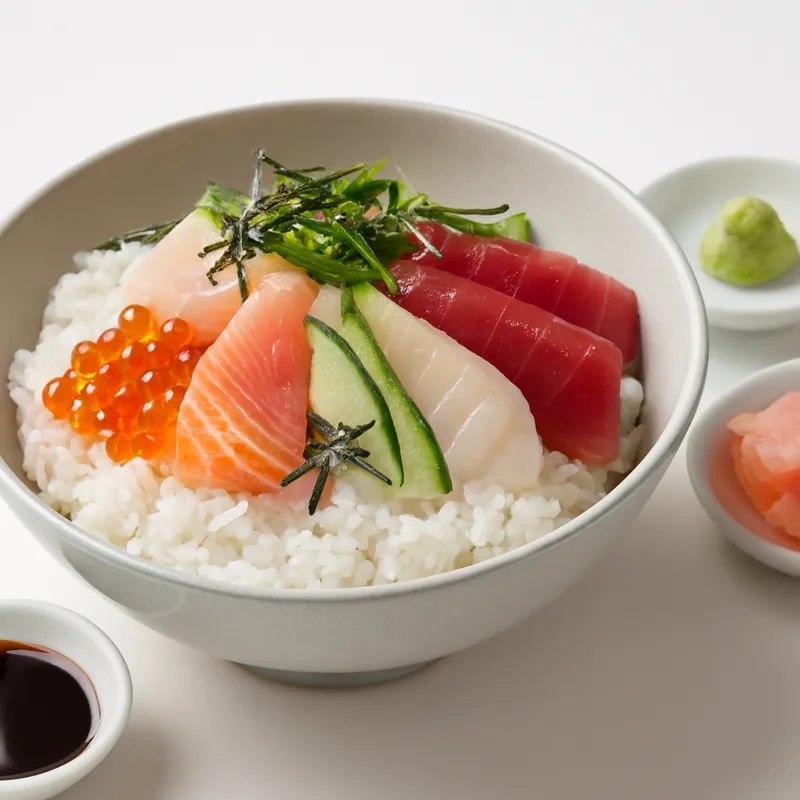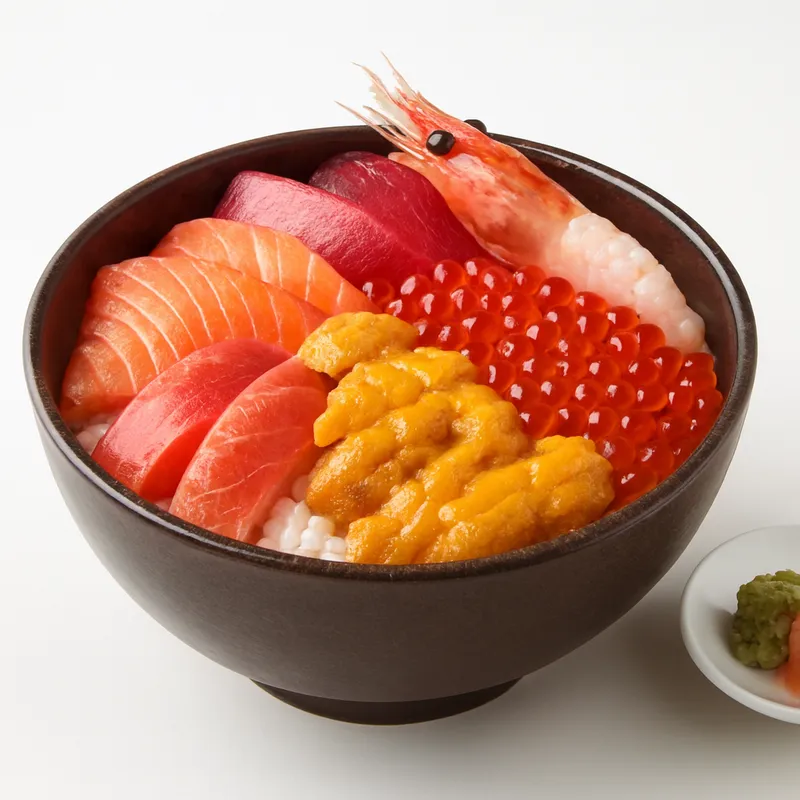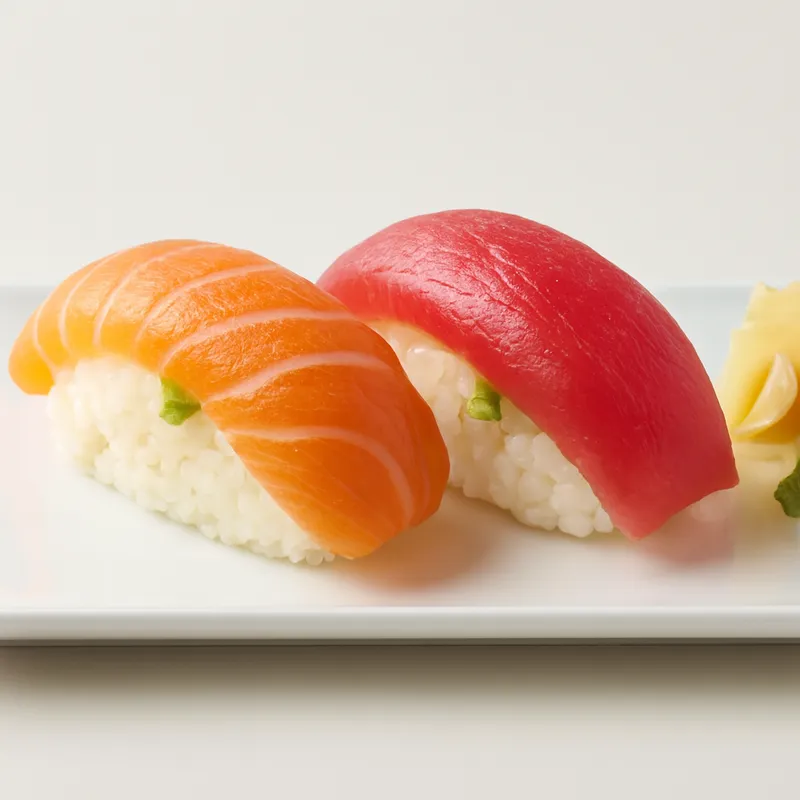
Hand-pressed Japanese vinegared rice topped with the finest raw fish and a dab of wasabi.




Edo-mae (Tokyo Bay-style) nigiri-zushi was invented around 1824 by Hanaya Yohei, who switched from the older fermented narezushi (months-aged fish on rice) to fresh fish on vinegared rice, served as fast food from a yatai street stall in Edo. Vinegar replaced fermentation as the safety method, cutting prep from months to minutes.
Hanaya Yohei's 1824 Edo invention — fast food for Tokyo dock workers when Tokyo was Edo. The shari (vinegared rice) is body-temperature; the neta sits one breath above it.
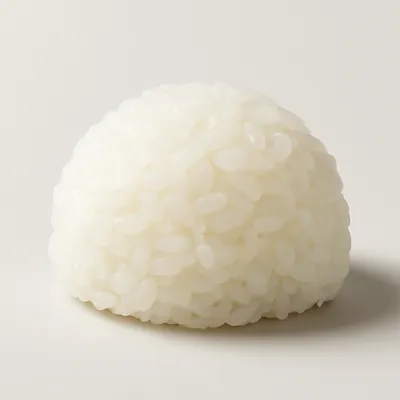
Body-temperature rice (the shari) loosely shaped under one fish slice. The clump should fall apart on the tongue, not before. Soy touches the fish, never the rice. Most flavor comes through at body temperature — fridge-cold sushi has half the taste.
Rice temperature is the silent variable — too cold dulls fat, too warm cooks the fish. Master sushi chefs (itamae) train rice-grain count: ~250 grains per nigiri, hand-shaped in 4-6 motions. The fish is the showpiece but the rice is the test — vinegar ratio, water content, and pressure differ by chef and decide the meal.
Variations
Edomae cures and ages the fish (kombu-jime, zuke marinade); Kansai-style is sweeter rice; gunkan-maki wraps roe-style toppings in nori; temari-zushi is the ball-shaped home version.
On the Palate
Where Sushi Nigiri sits in the Japanese flavor cloud
Ingredients


How it's made
6 steps · 55 min
- 120 min
Rinse the sushi rice under cold water until the water runs clear. Cook the rice according to package instructions, ensuring it is tender yet firm.
Watch outEnsure the water runs clear to remove excess starch for better texture.
- 210 min
While the rice cooks, slice the fish into thin, even pieces, about 2 inches long and 1 inch wide. Keep them chilled until ready to use.
Watch outUse a sharp knife to ensure clean cuts and avoid tearing the fish.
- 35 min
Once the rice is cooked, gently fold in a mixture of sugar, salt, and rice vinegar while the rice is still warm. Let it cool to room temperature.
Watch outFold the vinegar in with slicing strokes while the rice is hot, cutting not mashing, so each grain stays whole and glossy — then fan it to warm, not cold.
- 45 min
Wet your hands with water and a dash of vinegar to prevent sticking. Take a small amount of rice and shape it into an oval mound.
Watch outWet your palms just barely — dripping hands make the rice slide and go soggy; a light film is enough to stop it sticking.
- 510 min
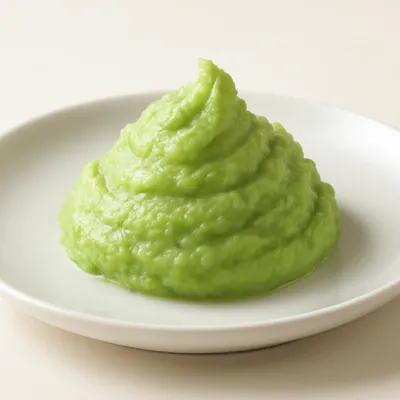
Spread a small amount of wasabi on each piece of fish. Press the fish onto the rice mound, ensuring it adheres well.
Watch outPress the fish on and it should drape and cling to the mound on its own — if it won't stay, your rice is too cold or packed too hard.
- 65 min
Serve the nigiri with soy sauce and additional wasabi on the side. Optionally, garnish with nori strips.
Archive tool suggestions — not reviewed
These legacy suggestions have not been evidence-reviewed and are not presented as required tools.