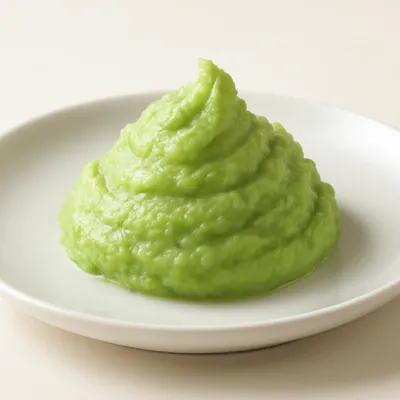
Japanese horseradish-relative with volatile isothiocyanates that deliver sharp nasal heat.
Where it comes from
Native to Japan, wasabi has been cultivated for centuries along riverbanks, with its distinct flavor and heat making it a culinary staple in Japanese cuisine.
In the kitchen
Served as a condiment for sushi or mixed into sauces, wasabi adds a sharp, piquant flavor that cuts through rich dishes, elevating the overall experience.
Across cuisines
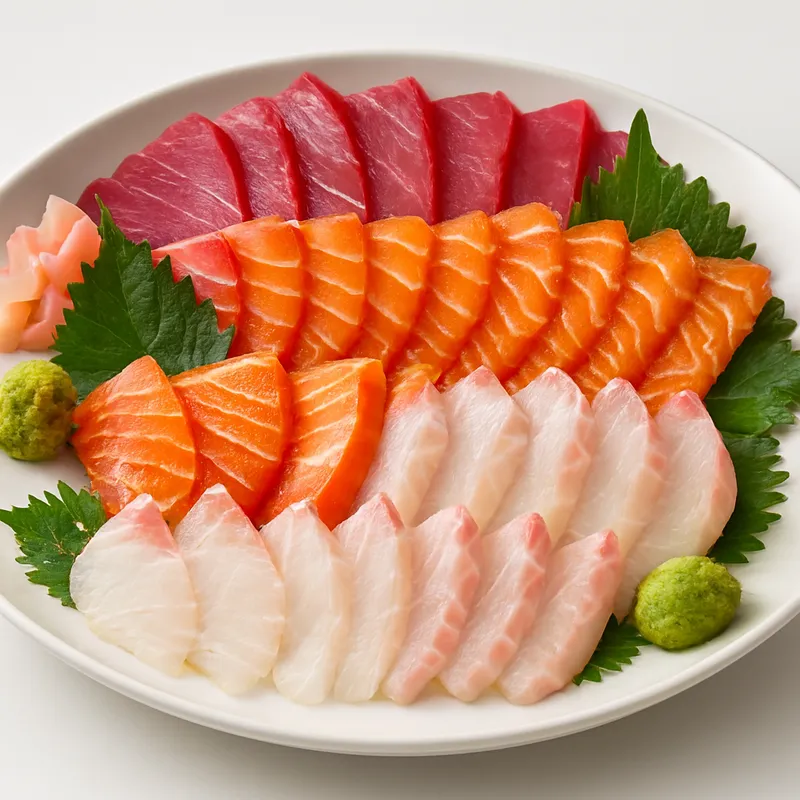
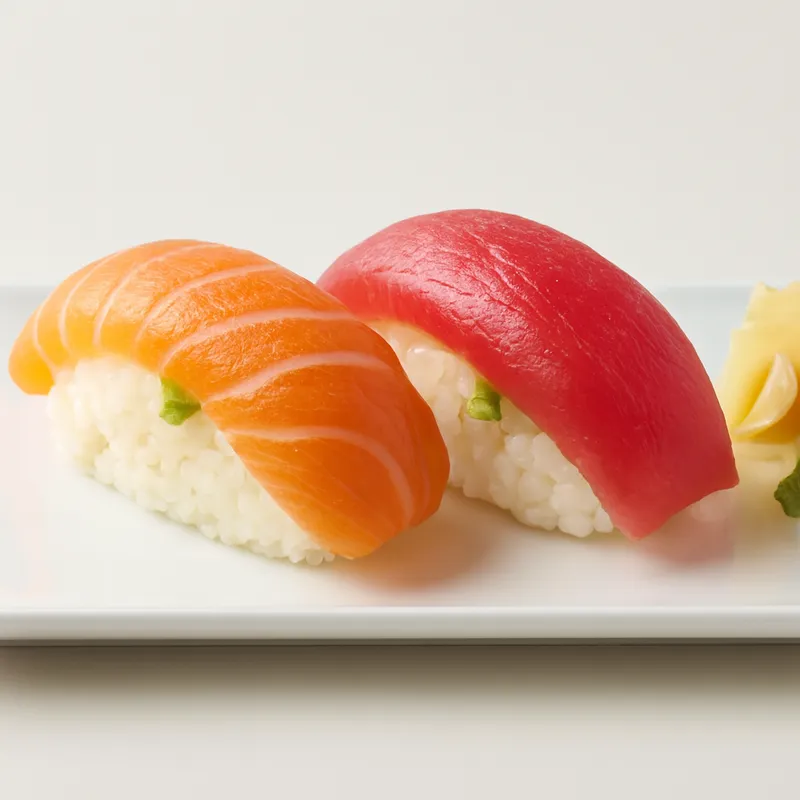
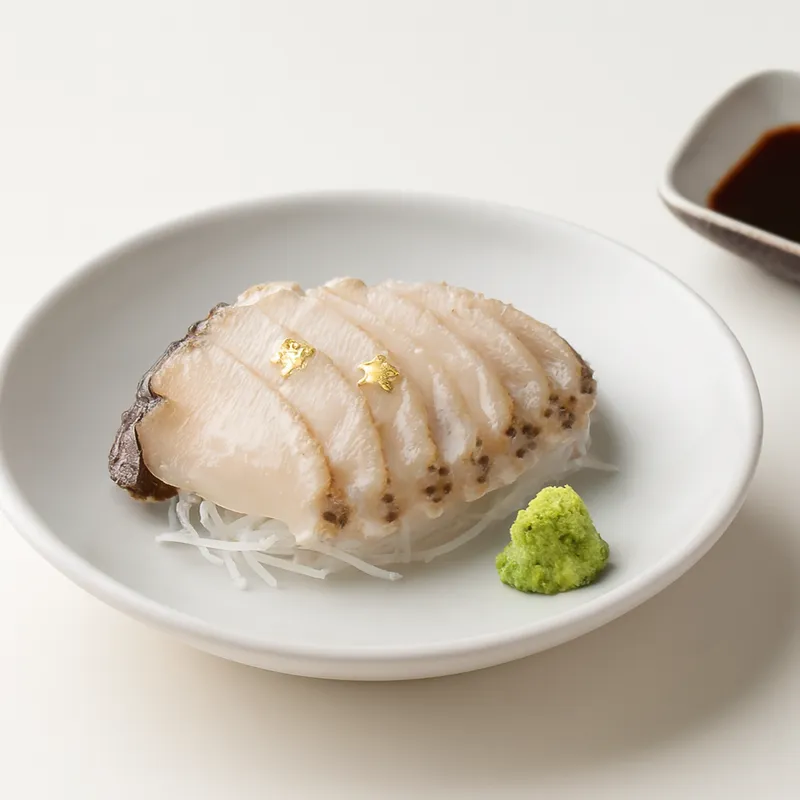
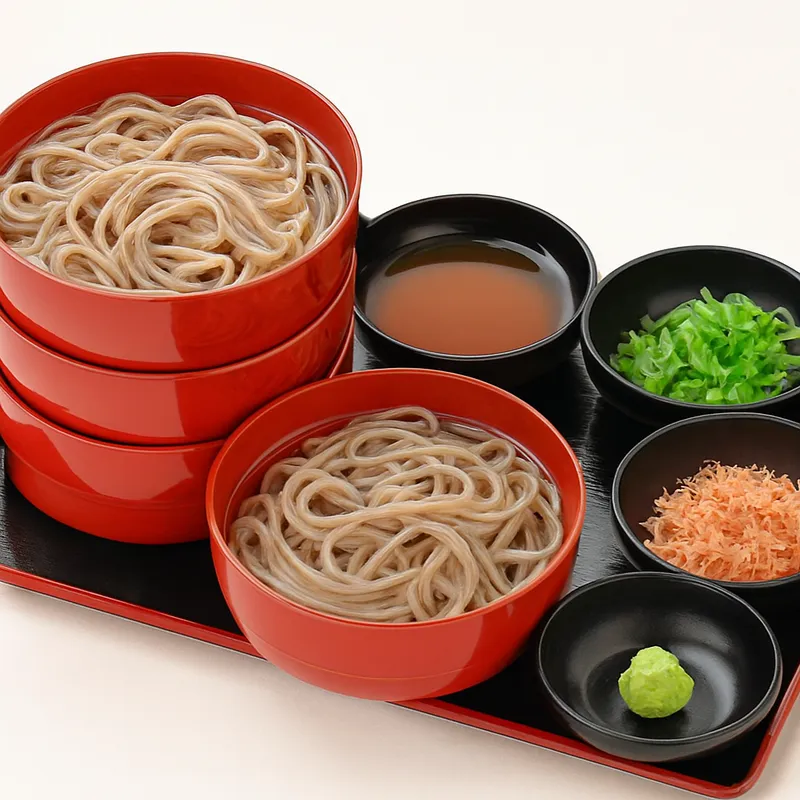
Fresh-grated hon-wasabi (本わさび) is placed between the neta (topping) and shari (rice) in Sushi Nigiri, releasing isothiocyanates that clear the sinus rather than burn the tongue. Sashimi plating (including Abalone Sashimi and Uni Don) uses a small mound alongside soy. Wanko Soba bowls in Tohoku arrive with wasabi and nori as a counter-flavor between refills. Zaru Soba uses wasabi dissolved into chilled tsuyu as the primary seasoning.
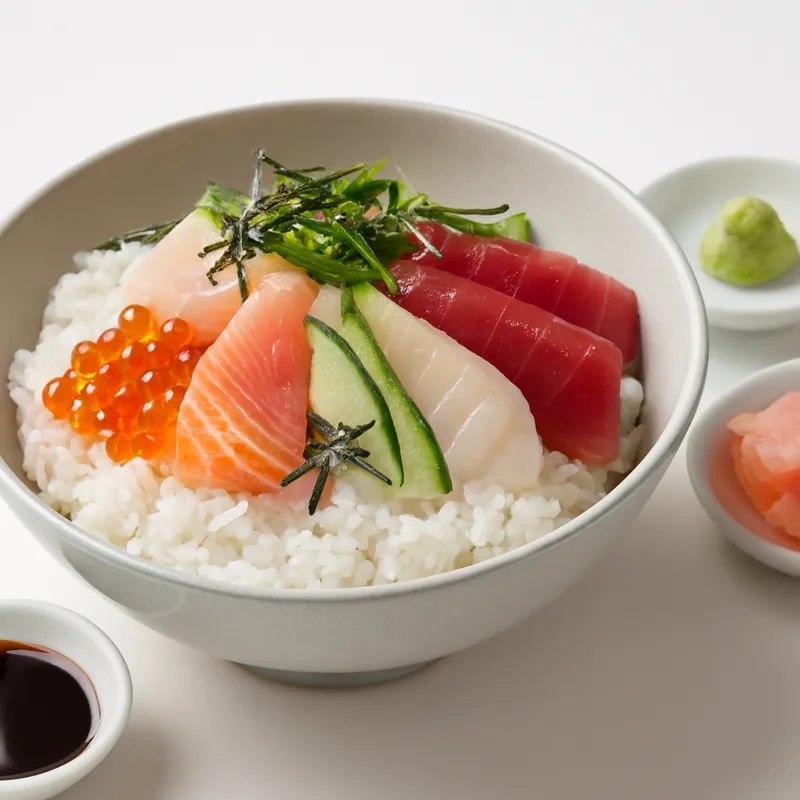
Chirashi Bowl and Kaisendon (scattered raw seafood over rice) depend on wasabi for heat contrast against fatty fish like salmon and tuna. Tekka Maki (tuna rolls) and Tobiko Maki traditionally include wasabi in the roll interior. Wagyu Beef Tataki pairs a citrus ponzu with a wasabi dab to cut through fat. Hitsumabushi in Nagoya includes wasabi among the optional condiments for the ochazuke (tea-poured) round.
California Roll, invented in Los Angeles in the 1970s, initially included real wasabi but shifted to dyed horseradish paste as the dish scaled. Today it is typically served alongside as a table condiment rather than embedded, following the domestic American sushi adaptation where diners mix wasabi directly into soy sauce.
Notable varieties
Fresh rhizome of Wasabia japonica, grated on sharkskin (oroshi) to release maximum volatile oils. Sharp, brief nasal heat that dissipates in 15–20 seconds. Grown in cold, clear running mountain streams. Dramatically different from powdered substitutes.
Made primarily from European horseradish with mustard and green food dye. Slower-releasing, more persistent burn. Standard in most export sushi and restaurant chains outside Japan; lacks the volatile aromatic complexity of fresh rhizome.
Nutrition (per 100g)
AI-estimated; model and run unavailable.
Pairs well with