

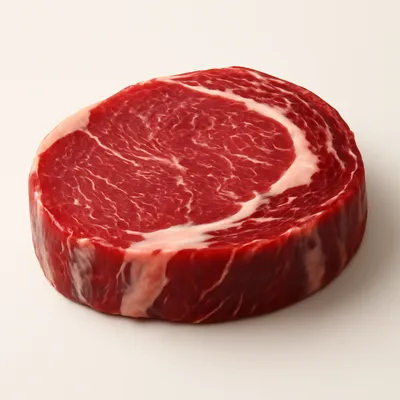
Tataki technique — sear-the-outside, raw-the-inside — is credited to Sakamoto Ryoma in 1860s Tosa (now Kochi prefecture), originally for bonito (katsuo no tataki), a workaround for sashimi-grade fish in fishing villages where worms were a concern. Wagyu tataki is a late-20th-century adaptation: the same logic applied to beef once high-marbling A4/A5 wagyu became available in restaurant supply chains.
Tataki technique traces to 1860s Tosa and Sakamoto Ryoma — sear-the-rim, raw-the-core, originally to dodge bonito worms. A4/A5 wagyu got the same treatment a century later because the fat melts at 25–30°C, hand temperature.
Thin slices of wagyu, seared maybe ten seconds a side so the rim is brown and the center stays raw and cool. The fat marbling melts at hand temperature — by the time the slice reaches the tongue it's already softening. Ponzu underneath, grated daikon and scallion on top, a dab of garlic. Eat fast; sitting in ponzu turns the meat gray and sour-soaked.
Wagyu fat melts around 25–30°C, well below the 35–40°C melt point of ordinary beef tallow. That's why the searing window is so narrow — push past ten seconds a side and the marbling renders out into the pan instead of the slice. Ice-bath the block immediately after searing to lock the gradient before slicing.
Variations
Katsuo no tataki (the bonito original, straw-fired in Kochi); gyu-tataki with ponzu and grated garlic at most izakayas; A5 Kobe slices served with truffle-soy in Ginza grills; Hida-gyu version leans on yuzukosho instead of garlic.
On the Palate
Where Wagyu Beef Tataki sits in the Japanese flavor cloud
The sear is a flash, not a cook: wagyu fat melts around 25–30°C, so a few seconds of hard contact per side builds a crust while the marbling inside stays soft — linger and the fat renders out into the pan and you lose the melt.
Ingredients
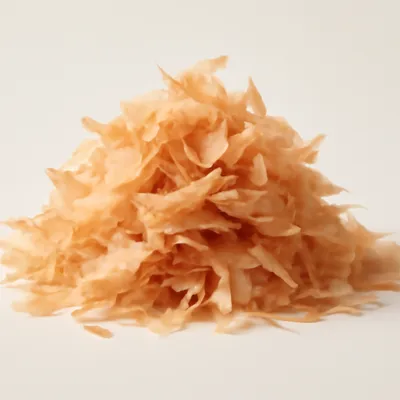



How it's made
5 steps · 7 min active + 5 min waiting
- 13 min
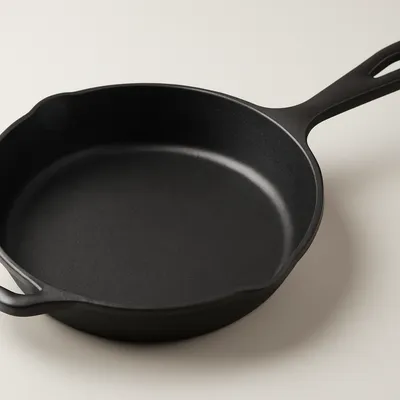
Season the Wagyu beef with a touch of salt. Heat a skillet over high heat until it's smoking hot. Sear the beef for 30 seconds on each side, just enough to develop a golden crust while keeping the inside rare.
Watch outThe pan is ready only when it's genuinely smoking — a lukewarm pan grays the surface instead of crusting it before the inside starts to cook.
- 20 min
Remove the beef from the skillet and let it rest for 5 minutes. This allows the juices to redistribute, keeping the meat tender.
Watch outRest five minutes so the juices settle back in — slicing straight off the heat lets them run out onto the board.
- 32 min
Thinly slice the rested beef against the grain. Arrange the slices on a chilled plate.
- 41 min
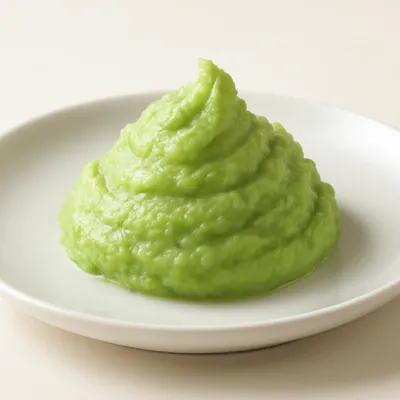
In a small bowl, mix soy sauce and a dab of wasabi until smooth. Drizzle this over the sliced beef, letting it pool slightly for dipping.
Watch outWhisk the wasabi fully into the soy so it dissolves smooth, with no gritty specks left to bite through.
- 51 min
Garnish with finely chopped scallions, scattering them over the beef for a fresh, sharp contrast.
Archive tool suggestions — not reviewed
These legacy suggestions have not been evidence-reviewed and are not presented as required tools.