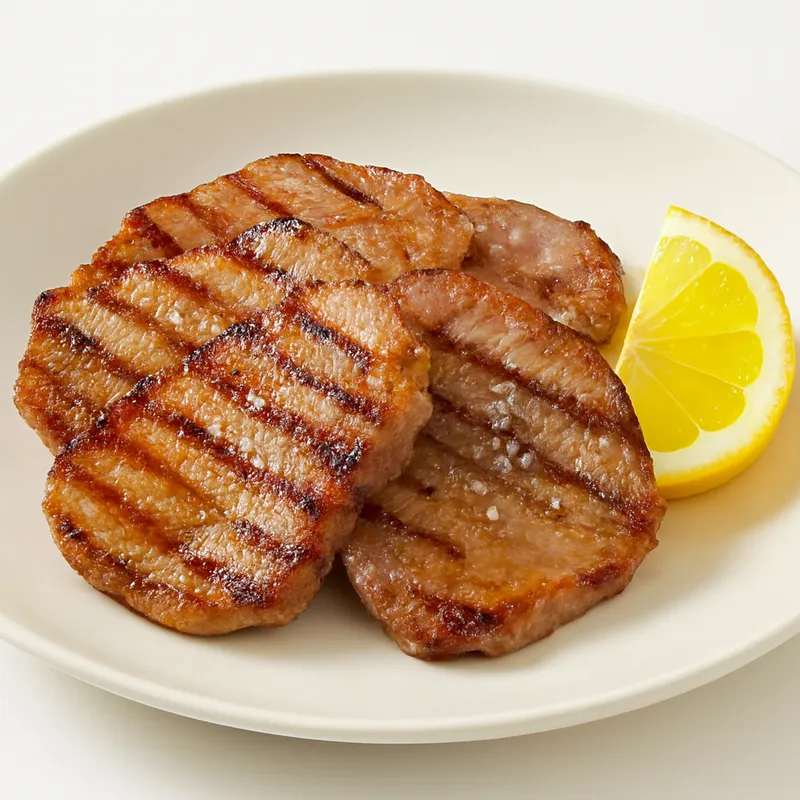
Perfectly grilled beef tongue with a hint of salt and lemon, evoking a smoky tenderness.
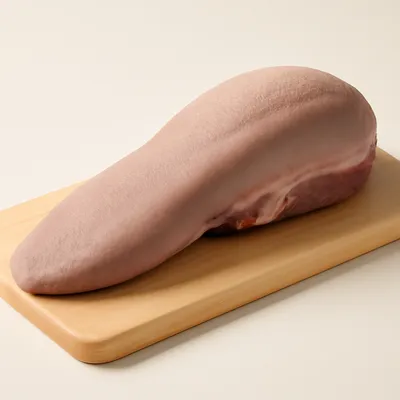



Keishiro Sano opened his shop Tasuke in Sendai in 1948 and added grilled beef tongue to the menu around 1950. The idea traced back to his cooking apprenticeship in 1930s Tokyo, where a French chef showed him beef tongue used in stews; he reworked it for Japanese tastes. American occupation forces ate the steak cuts; the offal — tongue and tail — was discarded or cheap. Sano salt-cured tongue for several days like cured beef, sliced thick, grilled it. The set with barley rice and tail soup was practical: every part of the discarded animal used.
Keishiro Sano invented this in 1948 at his Sendai yakitori shop Tasuke — American occupation forces took the steak cuts, tongue and tail were thrown out cheap. Sano salt-cured tongue 3–7 days like dry-aged beef, then sliced 8–10mm thick. The cure breaks down the elastin before any heat lands.
Thick-cut beef tongue, salt-cured and grilled over binchotan charcoal, served with mugi-meshi (barley rice), oxtail soup, and pickled vegetables. The cut is much thicker than Korean-style — 8 to 10mm — so the outside chars while the inside stays pink and yielding. Eaten with a squeeze of lemon. The set meal is fixed by Sendai convention; ordering tongue alone marks you as out-of-towner.
Tongue muscle is unusually high in collagen and elastin compared to standard skeletal muscle, which is why it's chewy if undercooked and turns to mush if overcooked. The 3–7 day salt cure is doing the same thing as a dry-aging step: enzymatic action breaks down some of that connective tissue before any heat is applied, so the short hot grill leaves a chewable but tender result.
Variations
Tasuke is the founding shop; Rikyu is the largest modern chain and runs the city's mugi-meshi-tail-soup set; Kisuke uses thicker 12mm cuts; smoked gyutan exists at Aoba-tei but stays a niche Sendai variant; ordering tongue alone marks you as an out-of-towner — the set is the point.
On the Palate
Where Sendai Gyutan sits in the Japanese flavor cloud
Ingredients



How it's made
5 steps · 17 min
- 15 min
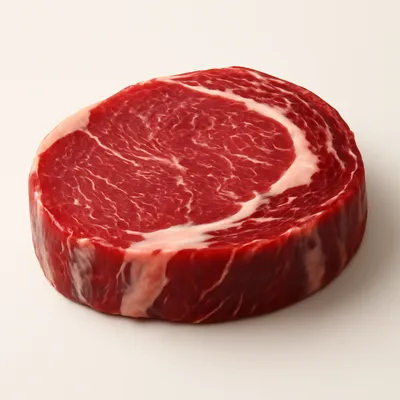
Begin by slicing the beef tongue into even, thin slices. Season generously with salt and freshly cracked black pepper, allowing the seasoning to penetrate the meat.
- 23 min
Heat a grill pan over medium-high heat until hot. Lay the tongue slices in a single layer, listening for the sizzle as they hit the pan.
Watch outThe pan should be hot enough that the slices sizzle sharply the instant they land; a quiet pan means it's too cool and the tongue will stew.
- 35 min
Grill the slices until they develop a deep brown color and a slightly crispy edge, turning once halfway through.
Watch outTurn only once and pull it at a deep brown with crisp edges; push past that and the lean tongue dries out fast.
- 41 min
Squeeze fresh lemon juice over the grilled tongue slices just before serving to enhance their flavor.
- 53 min
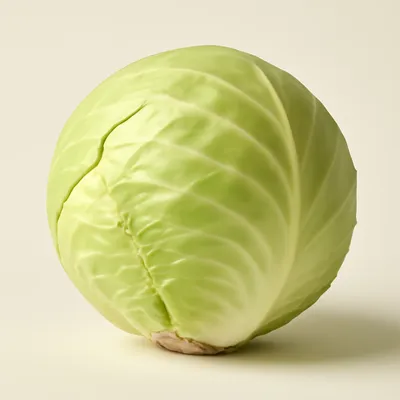
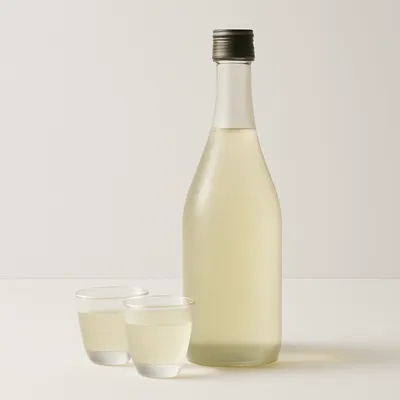
Serve with a side of shredded cabbage and a dipping sauce made from sake and minced garlic for added zest.
Archive tool suggestions — not reviewed
These legacy suggestions have not been evidence-reviewed and are not presented as required tools.
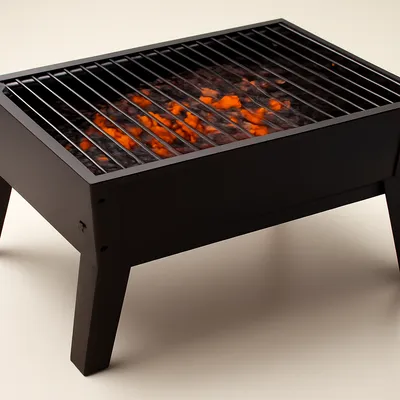
An open or hooded metal frame holding a bed of glowing charcoal embers, with a grate above. Charcoal burns at 700°C+ on the surface and emits short-wave infrared, which cooks proteins faster and with deeper Maillard browning than gas. Hardwood lump charcoal (oak, mesquite, fruitwood) lends its own smoke; cheap briquettes do not. Mastery is mostly heat zoning — direct over coals for searing, indirect off-coals for slow-roasting.

A long, narrow charcoal grill, 50-90 cm long and only 12-18 cm wide, designed so skewers rest across the rim with the meat directly over the embers. The shape is critical — too wide and the binchotan charcoal can't deliver concentrated heat to the small protein on the skewer. Premium yakitori shops use Japanese white binchotan (made from ubame oak) which burns at 950°C with almost no smoke or flame.