



Hokkaido's sheep industry was a 1918 Taisho-government push to make Japan self-sufficient in wool; meat was the byproduct. Jingisukan as a dish was popularized in the 1930s, its name a Japanese rendering of Genghis Khan — a romantic 1920s-Japanese association of mounted Mongol warriors with grilled meat, with no actual Mongolian basis. Sapporo's beer halls cemented it as the prefectural dish post-war.
Hokkaido's sheep showed up in 1918 when the Meiji government pushed wool self-sufficiency; meat was the byproduct. The 1930s name nodded to Genghis Khan with no actual Mongol basis — just 1920s Japanese romance about mounted warriors. The domed pan is the device: fat runs down the slope and bastes the cabbage in the moat.
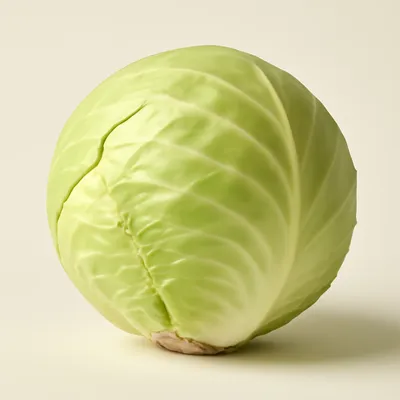
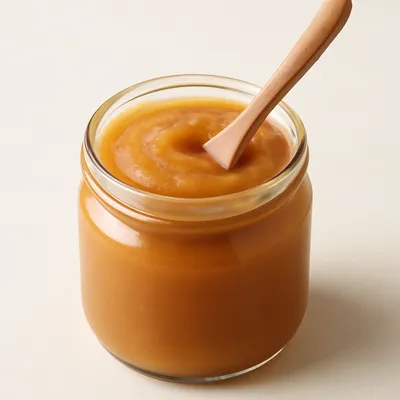
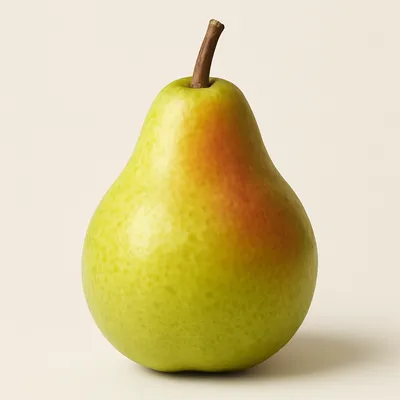
Lamb or mutton grilled at the table on a domed cast-iron pan that looks like a helmet, fat running down the slope to baste cabbage, onion, and bean sprouts in the moat. Two styles: pre-marinated in a sweet soy-apple sauce, or plain meat dipped after grilling. Eaten with cold beer; Sapporo restaurants pump in heavy ventilation. Lamb that smells strongly of mutton means cheap older meat or a cold pan.
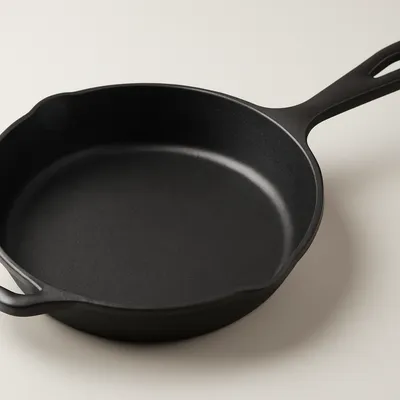
The domed pan is the device. The convex shape lets fat render down the slope rather than pool around the meat, which would otherwise braise it. Onions and cabbage in the moat catch that drip — they're seasoned by lamb fat without being grilled. A flat pan or grill misses this entirely; that's why a homemade version on a regular skillet ends up greasy and one-note.
Variations
Daruma in Susukino runs the canonical plain-meat-and-dip style; Matsuo Jingisukan from Takikawa popularized the pre-marinated soy-apple version sold frozen nationwide; Iwamizawa-style adds garlic to the dip; mutton (the older animal) versus lamb (the milder modern default) splits diners.
On the Palate
Where Jingisukan sits in the Japanese flavor cloud
The domed pan is the whole trick: its convex slope drains rendered lamb fat away from the meat so it grills instead of stewing, and the onions and cabbage in the moat soak up that drip. On a flat skillet the fat pools and braises the meat, leaving it greasy and one-note.
Ingredients



How it's made
5 steps · 27 min
- 15 min
Preheat a convex metal skillet or grill on medium-high heat until a drop of water sizzles and evaporates upon contact. Arrange the lamb slices evenly across the surface.
Watch outTest the heat with a water drop — it should skitter and vanish on contact before the lamb goes down.
- 210 min
As the lamb cooks, the fat will render and create a sizzling sound. Turn the slices occasionally until they are browned and cooked to your liking.
- 37 min
Add the bean sprouts, onions, and cabbage around the lamb, letting them soak up the flavorful juices. Stir occasionally until the vegetables are tender-crisp.
Watch outSet the vegetables in the fat-catching moat, not on the meat — they should glisten and soften in the drippings, staying tender-crisp.
- 43 min
Prepare the sauce by mixing soy sauce, sake, mirin, minced garlic, and grated ginger in a small bowl. The sauce should be balanced, with a savory and slightly sweet profile.
- 52 min
Drizzle the sauce over the lamb and vegetables, allowing it to coat everything evenly. Cook for an additional minute to let the flavors meld together.
Watch outAdd the sauce only near the end and cook a minute — pour it on early over high heat and the sugars scorch and turn bitter.
Archive tool suggestions — not reviewed
These legacy suggestions have not been evidence-reviewed and are not presented as required tools.