


Created in 1873 at Atsuta Houraiken in Nagoya — the restaurant's story is that they served eel in wooden tubs to riverboat workers and the chopped, pre-mixed style arose from their delivery service: couriers kept breaking the returned ceramic bowls, so the shop switched to a sturdy wooden tub holding several portions, and chopping the eel and pre-mixing it with the rice for delivery proved a hit. The three-way ritual was codified later as a tasting frame. The name 「ひつまぶし」 means "tub-mixed."
Atsuta Houraiken in Nagoya, 1873 — the shop's account is that wooden-tub eel for riverboat workers got chopped to portion one fish across several bowls. The Nagoya grill skips the steaming step that Kanto unagi uses, so the skin stays crisp and the flesh dense enough to chop without shredding.
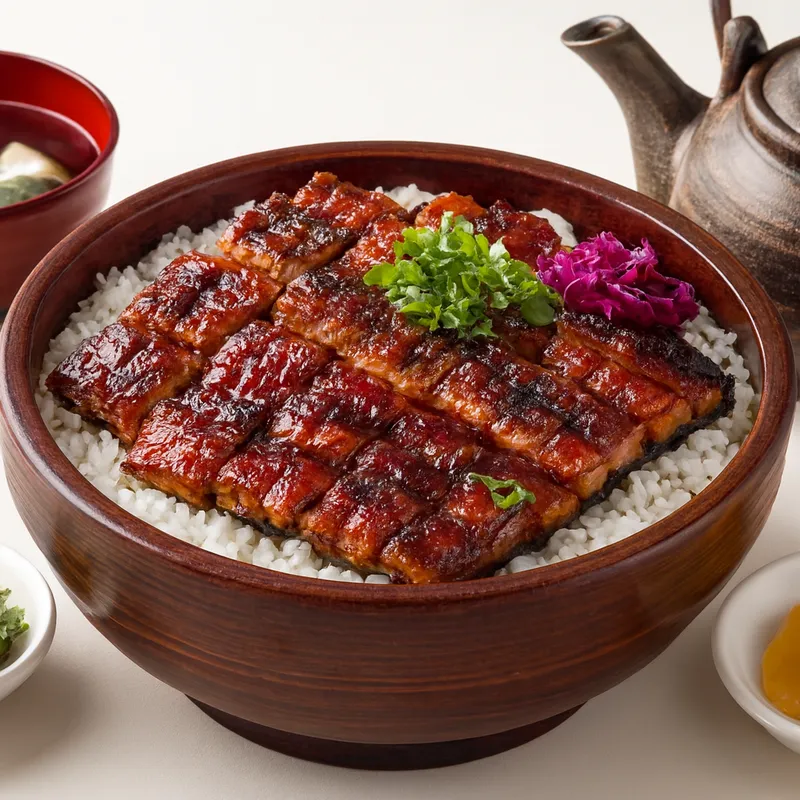
A lacquered wooden tub of rice topped with crisp-skinned grilled eel chopped into bite strips. Eaten in three thirds: first plain to taste the eel-and-tare; second with wasabi, scallion, nori; third doused with hot dashi as ochazuke. The skin should crackle, not flop — if the eel bends limp under chopsticks, the charcoal wasn't hot enough.
The eel is grilled Nagoya-style — direct over binchotan without steaming first (Kanto unagi steams before grilling for tenderness; Nagoya skips the steam to keep the skin crisp and the flesh denser). That density is why chopping works here and would shred a Tokyo-style eel. The third-course dashi is the test: bad tare turns the broth muddy.
Variations
Atsuta Houraiken's main branch is the 1873 founding shop; Maruya Honten is the most-cited modern Nagoya rival; Ibasho in Tokyo runs a Kanto steamed-then-grilled hybrid; the Kanto unagi-juu format steams first for tenderness and serves whole fillets, never chopped.
On the Palate
Where Hitsumabushi sits in the Japanese flavor cloud
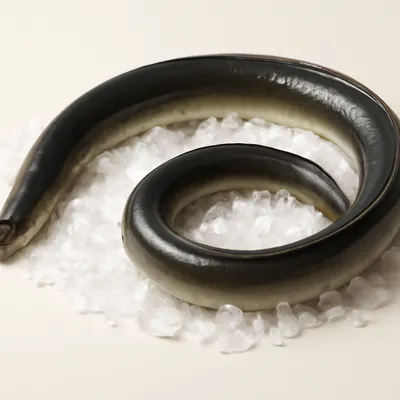
Grill the eel Nagoya-style — straight over hot charcoal with no pre-steaming — so the flesh stays dense and the skin crisps; that firmness is exactly what lets you chop it without it shredding, and it's why a soft steamed Tokyo-style eel would fall apart in this bowl.
Ingredients

How it's made
5 steps · 55 min
- 130 min
Prepare the rice in a rice cooker or pot, ensuring it's fluffy and perfectly cooked. Keep warm for serving.
Watch outEnsure the rice is not overcooked to avoid a mushy texture.
- 25 min
Combine soy sauce, mirin, sake, and sugar in a small saucepan. Heat gently until the sugar dissolves and the sauce thickens slightly.
Watch outSimmer the glaze only until it thickens enough to coat a spoon and turns glossy — push it further and it goes sticky-sweet and scorches on the grill.
- 310 min
Grill the eel over a medium flame, basting frequently with the sauce until it is glossy and slightly charred.
Watch outBaste in thin coats and let each set to a lacquered shine — the eel's ready when the skin is crisp and the edges just catch a light char.
- 45 min
Slice the grilled eel into bite-sized pieces and serve over a bed of warm rice. Garnish with sliced scallions and nori strips.
- 55 min
For an authentic experience, serve with wasabi and a small bowl of dashi on the side for pouring over the rice and eel.
Watch outPour just enough hot dashi to come halfway up the rice for the third helping — the broth should stay clear and read of the tare, not drown the bowl.
Archive tool suggestions — not reviewed
These legacy suggestions have not been evidence-reviewed and are not presented as required tools.

An electric pot with a thermostat that switches off the moment internal temperature exceeds 100°C — meaning the moment all free water has boiled off. Add rinsed rice and water (1:1.2 by volume for short-grain), press start; 25 minutes later it sits in warming mode and stays at 65°C all day. The fuzzy-logic Japanese versions (Zojirushi, Tiger) cook brown rice, sushi rice, and porridge with separate algorithms for each.
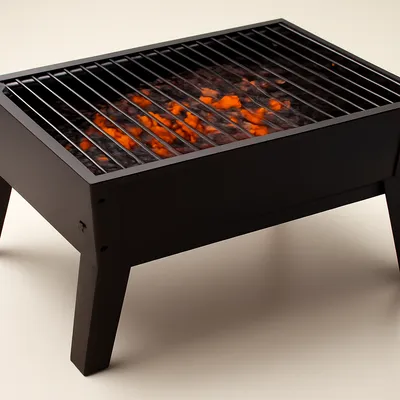
An open or hooded metal frame holding a bed of glowing charcoal embers, with a grate above. Charcoal burns at 700°C+ on the surface and emits short-wave infrared, which cooks proteins faster and with deeper Maillard browning than gas. Hardwood lump charcoal (oak, mesquite, fruitwood) lends its own smoke; cheap briquettes do not. Mastery is mostly heat zoning — direct over coals for searing, indirect off-coals for slow-roasting.

A long, narrow charcoal grill, 50-90 cm long and only 12-18 cm wide, designed so skewers rest across the rim with the meat directly over the embers. The shape is critical — too wide and the binchotan charcoal can't deliver concentrated heat to the small protein on the skewer. Premium yakitori shops use Japanese white binchotan (made from ubame oak) which burns at 950°C with almost no smoke or flame.