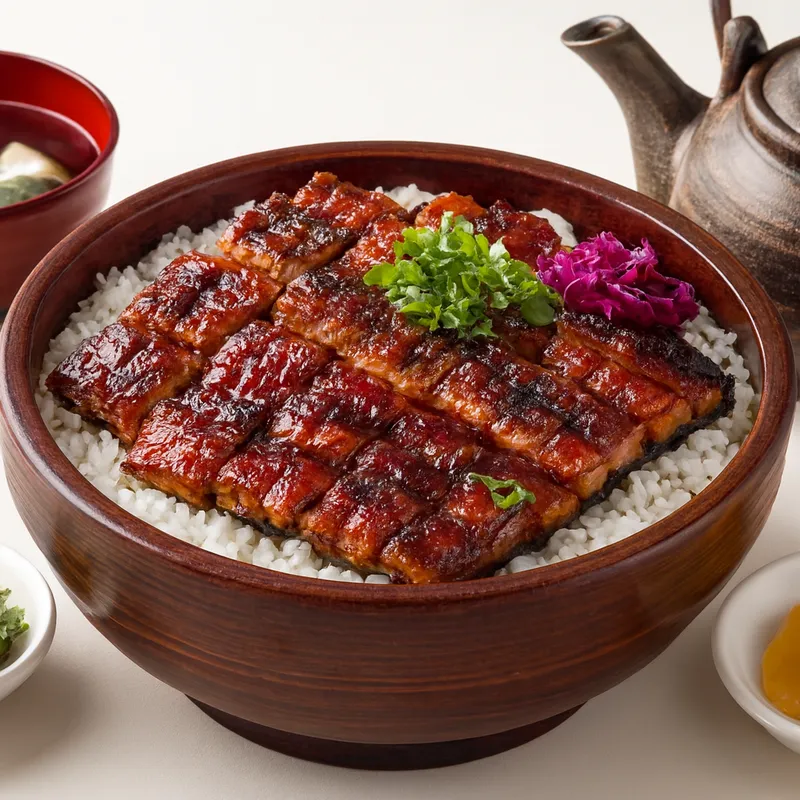

Created in 1933 in Obihiro, Hokkaido, by Abe Hideji, founder of the diner Pancho. Hokkaido was a pork-raising region (the Tokachi plain bred pigs for meat, not work), and Abe wanted a working-man's bowl modeled on eel kabayaki — same glaze, same grill, but using cheap local pork. Obihiro still claims the dish; the city has dozens of butadon-only shops.
Created 1933 in Obihiro, Hokkaido by Naritaya owner Abe Tomekichi — modeled on eel kabayaki but built around the Tokachi plain's pork. Most donburi simmer; butadon grills over binchotan-style charcoal, and the smoke is what the glaze can't fake.
Thick slices of pork belly or loin lacquered in a soy-mirin-sugar glaze, fanned over a bowl of hot rice. The meat is grilled over a flame, not stewed — the edges should be slightly charred, the fat rendered but still tender. Sauce drips down into the rice and stains the top layer brown. A few green peas or shredded nori go on top. If the pork is dry, the cook held it on the grill too long.
The grill is the whole point. Most don-buri are simmered (gyudon, oyakodon) — butadon is grilled over binchotan-style charcoal, which gives the surface a smoky bitterness the glaze can't fake. The sauce is brushed on in the last seconds, so it caramelizes rather than soaking in. Pan-fried versions exist but lose the smoke entirely.
Variations
Pancho in Obihiro is the founding shop and the locals' pick; Tonta runs a thicker tare; Sapporo's modern butadon spots add scrambled egg or onion (departures from Obihiro orthodoxy).
On the Palate
Where Butadon sits in the Japanese flavor cloud
Ingredients


How it's made
5 steps · 25 min
- 14 min
Slice pork belly and onions thinly.
- 25 min
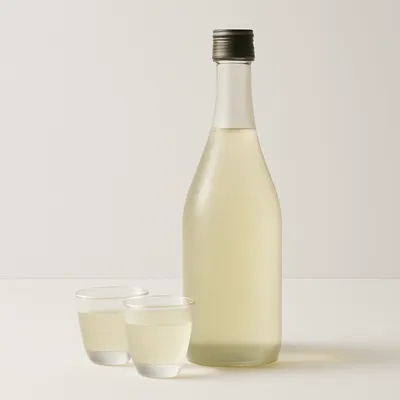
Create a sauce with soy sauce, mirin, sake, and sugar.
Watch outCook the sauce down until it's glossy and coats a spoon — that thick glaze is what clings to the pork instead of running off into the rice.
- 315 min
Simmer pork and onions in the sauce until tender.
Watch outOnce the pork's cooked through, let it soak up the sauce and take on a deep shiny brown — pale pork means it hasn't glazed yet.
- 42 min
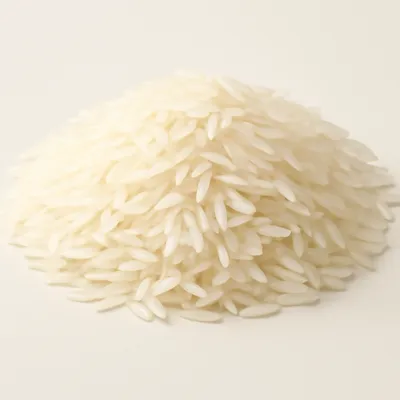
Serve pork mixture over a bowl of steamed rice.
- 52 min
Garnish with chopped green onions.
Archive tool suggestions — not reviewed
These legacy suggestions have not been evidence-reviewed and are not presented as required tools.
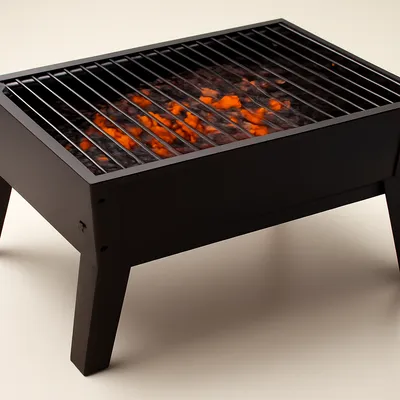
An open or hooded metal frame holding a bed of glowing charcoal embers, with a grate above. Charcoal burns at 700°C+ on the surface and emits short-wave infrared, which cooks proteins faster and with deeper Maillard browning than gas. Hardwood lump charcoal (oak, mesquite, fruitwood) lends its own smoke; cheap briquettes do not. Mastery is mostly heat zoning — direct over coals for searing, indirect off-coals for slow-roasting.

A long, narrow charcoal grill, 50-90 cm long and only 12-18 cm wide, designed so skewers rest across the rim with the meat directly over the embers. The shape is critical — too wide and the binchotan charcoal can't deliver concentrated heat to the small protein on the skewer. Premium yakitori shops use Japanese white binchotan (made from ubame oak) which burns at 950°C with almost no smoke or flame.