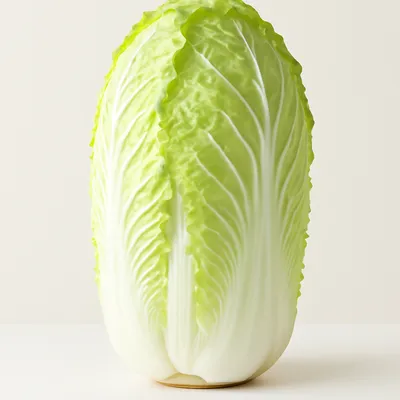
The broad family of Japanese pickles, served in small portions as a side with nearly every washoku meal. The category is defined by its pickling medium rather than one recipe: asazuke are quick pickles, lightly salted and ready in hours; shiozuke are simple salt pickles; and nukazuke are vegetables fermented in a bed of roasted rice bran (nukadoko). Other styles use soy sauce (shoyuzuke), vinegar (suzuke), miso (misozuke), or sake lees (kasuzuke). Cucumber, daikon, eggplant, napa cabbage, and turnip are common, cut and arranged as a crisp, tart counterpoint that also closes a rice-and-soup meal.




Pickling vegetables in salt is among the oldest of Japanese food techniques, born of the need to preserve the harvest through winter; salt pickling (shiozuke) is generally regarded as the earliest form, and over centuries the practice diversified into the many media used today. Tsukemono are inseparable from the temple and home tables that shaped washoku, and Japan's Ministry of Agriculture counts several hundred regional varieties. The exact beginnings of any one style are unrecorded, but the category as a whole is ancient and nationwide, with celebrated regional kinds such as Kyoto's senmaizuke, Nagano's nozawana, and Wakayama and elsewhere's takuan pickled daikon.
Texture and acidity are the point. A good asazuke is bright, crunchy, and barely sour — almost a salted fresh vegetable — while a long nukazuke is softer, deeply savory, and pungent, with a tang and funk that build with fermentation. Salt pickles taste clean and crisp; vinegar pickles are sharp; rice-bran ones carry an earthy, cheese-like depth. Served beside rich or fried food, the cold, sour crunch resets the palate; eaten at the end of a meal with rice and tea, a few slices settle it. Over-fermented nukazuke turns sour and softly mushy and loses its snap.
All tsukemono rest on salt and, in the fermented kinds, on lactic-acid bacteria. Salt draws water out of the vegetable by osmosis, firming its texture, seasoning it, and selecting against spoilage microbes while favoring salt-tolerant lactobacilli; in quick asazuke that is essentially the whole process, with little fermentation. Nukazuke goes further: the nukadoko, a living bed of roasted rice bran, salt, and water, is rich in Lactobacillus and yeasts, and buried vegetables ferment in it, gaining sourness, aroma, and umami. Because the bed needs oxygen managed and the culture kept even, it is turned by hand daily. The bran also enriches the vegetables — cucumbers pickled in nukadoko gain markedly more vitamin B1 (thiamine), which the bran is rich in.
Variations
The styles are the variation, named for their medium: shiozuke (salt), nukazuke (rice bran), shoyuzuke (soy sauce), suzuke (vinegar), misozuke (miso), kojizuke (rice koji), and kasuzuke (sake lees), with asazuke as the quick salt-and-pressure method. Famous named pickles abound — takuan, the yellow pickled daikon; Kyoto's senmaizuke (thin-sliced turnip with kombu) and shibazuke (eggplant and cucumber with red shiso); umeboshi, the salt-cured ume; rakkyo, pickled scallion bulbs; and beni-shoga and gari, the two pickled gingers. Fukujinzuke, the sweet soy-pickled relish, is the standard partner to Japanese curry.
On the Palate
Where Tsukemono sits in the Japanese flavor cloud
Ingredients
Serves 4How it's made
8 steps · 20 min
- 15 min
For a quick asazuke, slice cucumber, daikon, or napa cabbage thinly and even-sized so they pickle at the same rate.
Watch outSlice everything thin and even-sized — uneven pieces pickle at different rates and cure unevenly.
- 22 min
Toss the vegetables with salt at a few percent of their weight, optionally with kombu, chili, or yuzu peel for aroma.
Watch outSalt to just a few percent of the vegetables' weight — too little won't draw water or hold off spoilage, too much oversalts.
- 35 min
Press the salted vegetables under a weight (a pickle press or a weighted plate) and let them sit from an hour to overnight.
- 42 min
Pour off the water the salt draws out, then taste and adjust; rinse briefly if too salty.
- 52 min
Squeeze gently, slice if needed, and serve a small mound cold as a side.
- 610 min
For nukazuke instead, prepare or maintain a nukadoko of roasted rice bran, salt, and water, kept active by daily hand-mixing.
Watch outKeep the nukadoko active with daily hand-mixing — the living bran bed needs its air managed or the culture sours and dies.
- 73 min
Bury whole or halved vegetables in the bran bed and leave them to ferment from several hours to a day or more.
- 83 min
Lift the vegetables out, wipe off the bran, rinse, slice, and serve.
Archive tool suggestions — not reviewed
These legacy suggestions have not been evidence-reviewed and are not presented as required tools.