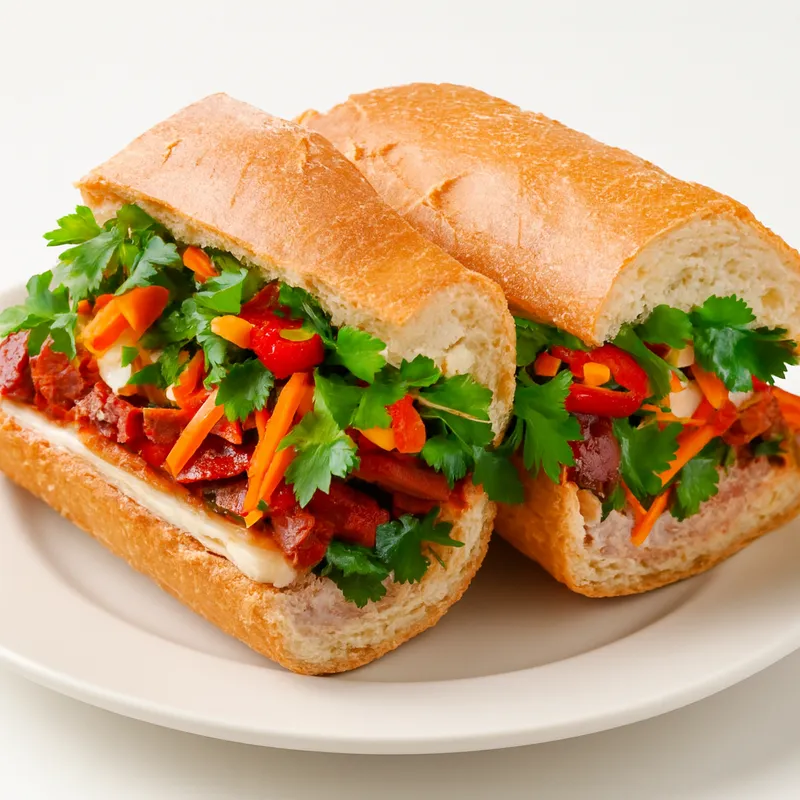
In Practice
Quick pickle (vinegar): 1:1:1 by volume of 5% white vinegar : water : sugar, plus 1-2% salt, brought to a boil, poured hot over vegetables. Ready in 24 h, lasts 3-4 weeks refrigerated. Lacto pickle (sour pickles, kimchi cabbage): 2-3% salt brine submerging vegetables for 5-21 days at 18-22°C until pH 3.4-3.8. Failure mode: hot-water-bath canning a vinegar pickle made with vinegar weaker than 5% acidity → insufficient pH drop for shelf-stable storage.
Background
Pickling is a technique with deep roots across various cultures. In Eastern Europe, cucumbers and cabbage are often pickled, creating staples like sauerkraut, which are stored in wooden barrels for months. Japan's tsukemono involves vegetables soaked in rice bran, adding a unique umami flavor to meals. In India, pickles or 'achar' are made using a variety of spices and oils, often stored in ceramic jars to mature in the sun. Each tradition reflects local ingredients and preservation needs.
How It Works
Acid-mediated preservation: dropping pH below 4.6 inhibits Clostridium botulinum spore germination and most spoilage bacteria. Two routes — (a) vinegar-pickling: acetic acid (CH3COOH, pKa 4.76) at 5%+ floods the food, immediate pH drop, no microbial work needed; (b) lacto-fermentation: 2-3% brine selects for Lactobacillus, which converts plant sugars to lactic acid (pKa 3.86) over 1-4 weeks, dropping pH organically and generating CO2.
Two Roads to Sour
the mental modelEvery pickle gets its tang the same way — acid drops the pH low enough that nothing dangerous can grow — but by one of two roads. On one you add the acid and it's done in an hour; on the other, microbes make the acid over days. Knowing which road a jar took tells you its flavor, its keeping, and whether it's alive.
Cook One

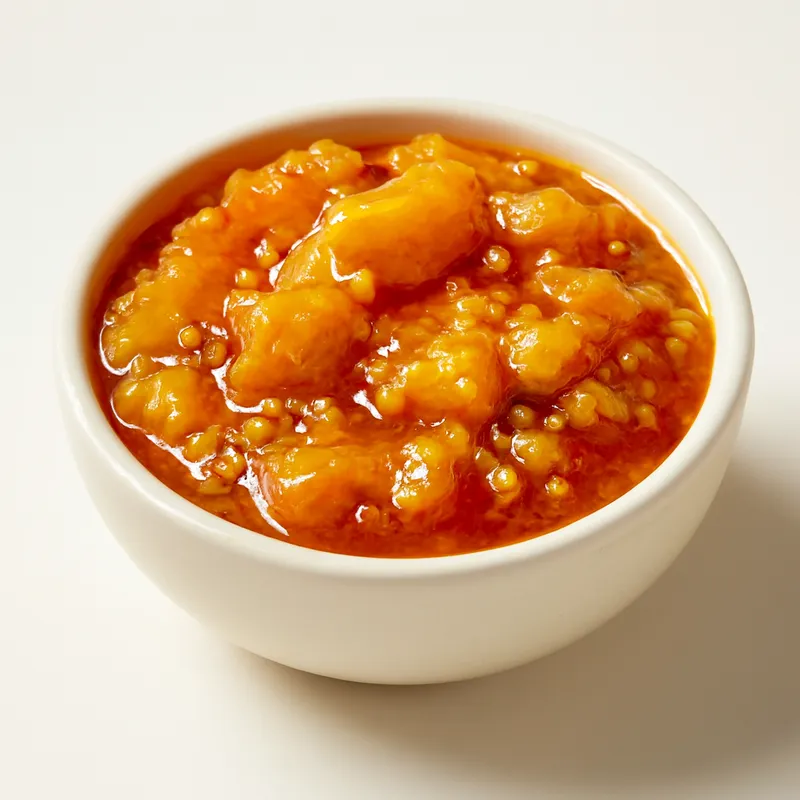
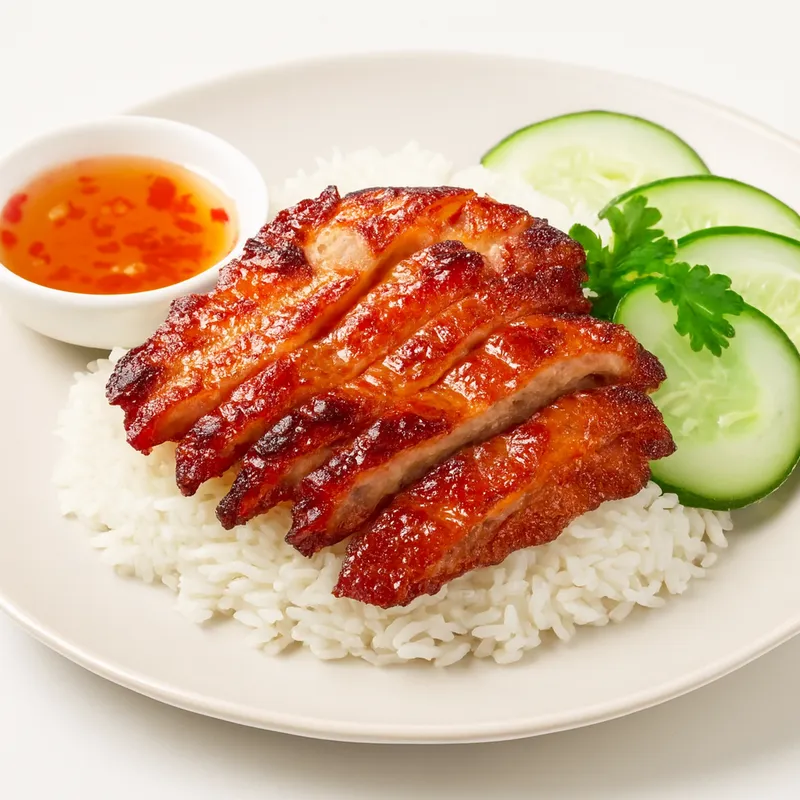
Dish examples
312 dishes · 58 cuisines



Through Time
Mesopotamian cuneiform tablets (c. 2400 BCE) record cucumber pickling in the Tigris valley. Apicius's 4th-century *De Re Coquinaria* documents Roman muria and oxymel pickles. Nicolas Appert's 1810 *Art de Conserver* enabled industrial canning of vinegar pickles. Sandor Katz's 2003 *Wild Fermentation* and the 2014 reissue of Linda Ziedrich's *The Joy of Pickling* canonize the modern revival; pH meters replaced taste-testing as the safety standard.
Related cooking knowledge
Fermentation is pickling's microbial twin — the lacto-pickle branch is by definition a fermentation. Curing parallels in mechanism (lowering microbial-viable conditions) but uses salt-driven water removal rather than acid. Huizhou fermentation extends pickle logic to soybean products; gravlax is curing's pickle-shaped cousin.