

Japanese
Restraint is the hardest skill. Every element earns its place.
Umami
A foundational taste profile emphasizing depth and savoriness, integral to Japanese dishes like dashi and miso soup.
View page →The traditional Japanese meal is ichijū-sansai — rice, miso soup, and three sides — a structure UNESCO recognized in 2013 when it listed washoku as intangible heritage. Almost everything rests on dashi, the stock of kombu kelp and dried bonito flakes that carries umami into soups, simmered dishes, and chawanmushi custard. Seasonality is explicit: menus change for the first bamboo shoots of spring or autumn's Pacific saury, and a meal is judged as much by restraint as by richness. Eating out splits by specialty — a sushi counter serves sushi, a ramen shop ramen, a tempura house tempura — each craft practiced narrowly for decades. The everyday table is humbler: rice, pickles, grilled fish, and whatever the season put in the miso soup.
The Palate
Dishes to explore
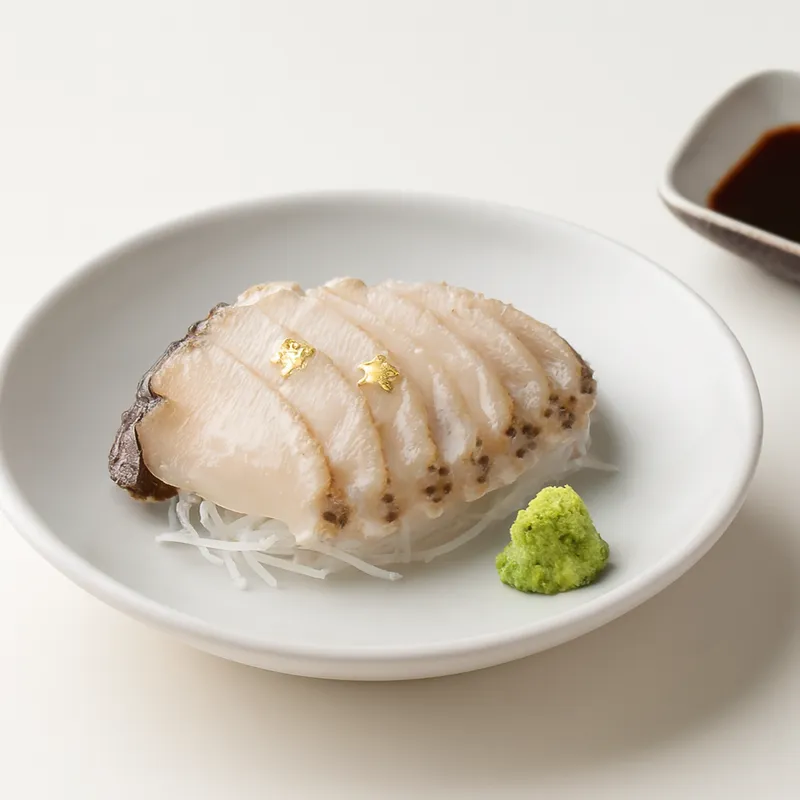
Abalone Sashimi
Sliced thin, meticulously arranged, served with a whisper of soy sauce.
Understanding the Japanese reverence for raw, unadulterated seafood speaks to their culinary philosophy of freshness and purity.
Chawanmushi
A savory custard that hides treasures beneath its silky surface.
This dish encapsulates the surprise and depth of flavor achievable with minimal seasoning.
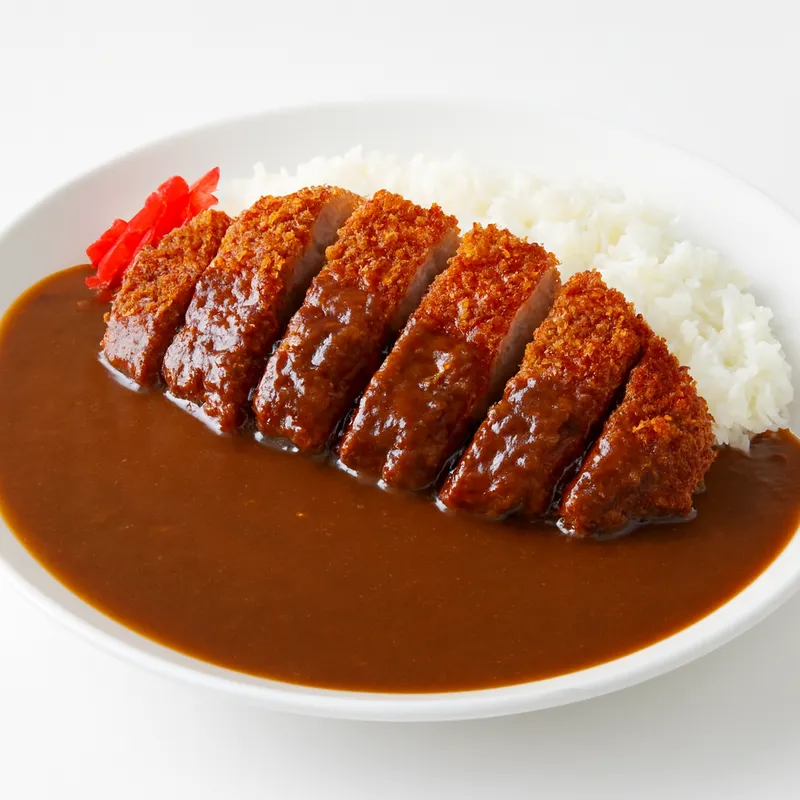
Katsu Curry
Panko-crusted cutlet bathed in a thick, savory curry sauce.
Katsu curry represents Japan’s ability to adopt and transform foreign influences into beloved staples.
Dorayaki
Fluffy pancakes sandwiching a velvety red bean paste.
A sweet introduction to Japanese comfort food, marrying texture and subtle sweetness.
Cooking options
Food choices favor cuisine selections and manageable preparation; check each recipe before cooking.

The Pantry





See all 424 ingredients›


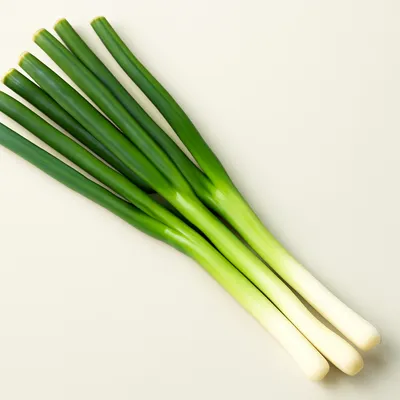


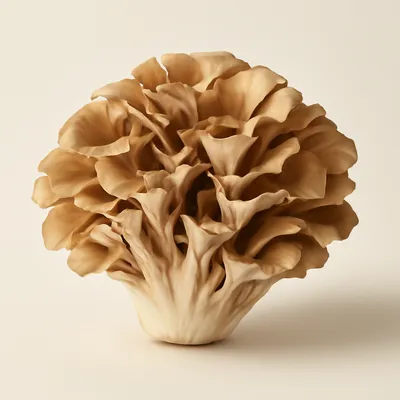


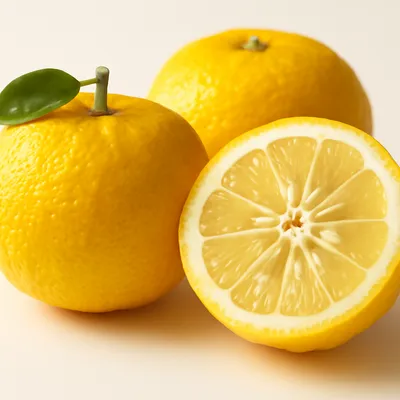

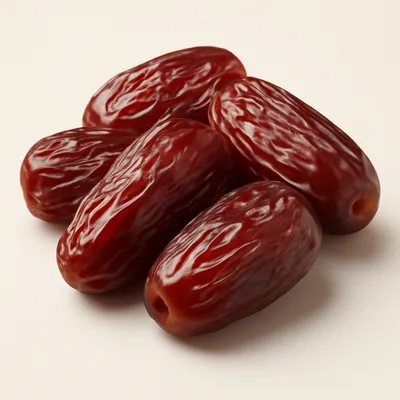
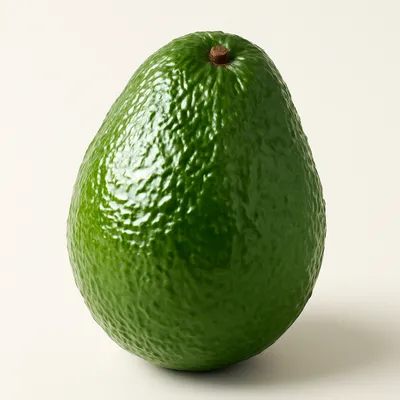




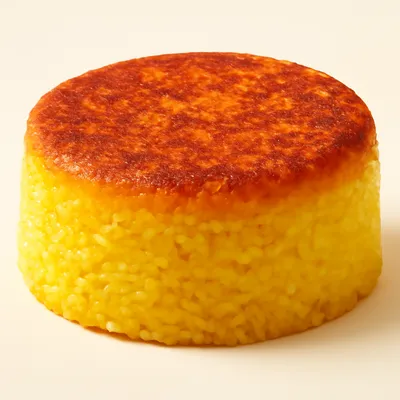


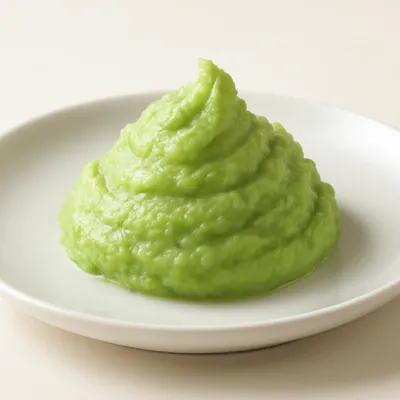
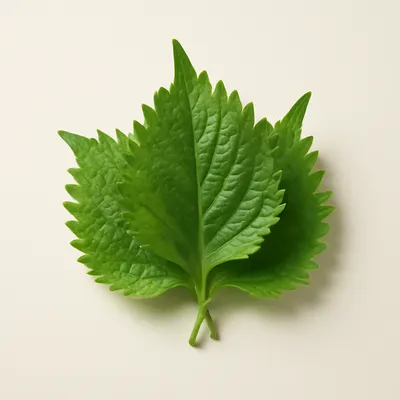
Grains & Staples


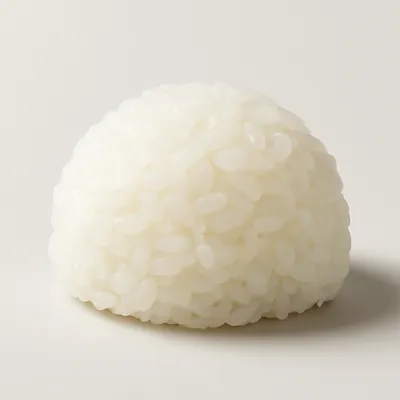

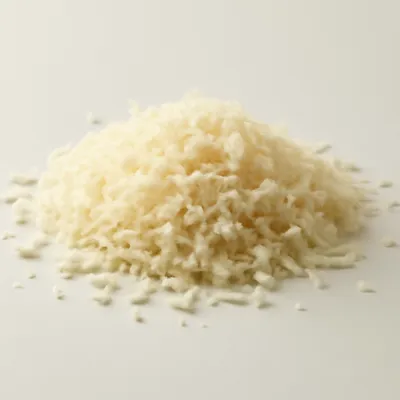







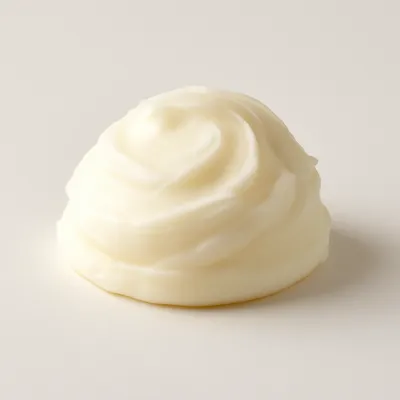
Sauces & Condiments


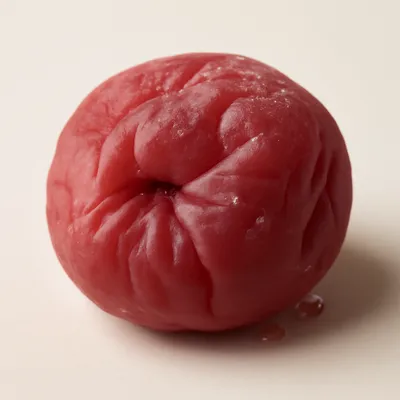


Other


Regional Kitchens
Twelve regional kitchens within one archipelago. Tap a region to see its table.
Edo-rooted: nigiri sushi, soba, tempura — soy-saturated, crisp, decisive.
Hakata tonkotsu, motsunabe, mentaiko — pork-bone richness and pungent ferments.
Kuidaore — eat till you drop. Street-food driven, dashi-light cooking.
Northern seafood and dairy meet miso ramen and grilled mutton.
Cold-country cooking. Miso, pickles, beef tongue, rice sticks.
Kaiseki and shōjin — plant-forward, refined, the table as quiet ritual.
The cooking of the Seto Inland Sea and the Chugoku coast — Hiroshima's layered, noodle-stuffed okonomiyaki, the region's prized oysters in every form, Onomichi's back-fat ramen and Hiroshima's fiery tsukemen, Shimonoseki pufferfish, and Izumo's three-tier soba.
The four-prefecture island of udon and bonito — Kagawa's springy Sanuki udon (Japan's udon capital), Kochi's seared katsuo tataki and big-platter sawachi feasts, Ehime's sea bream over somen, and Tokushima's mountain soba.
The Sea-of-Japan coast of crab and koji — Kanazawa's refined jibuni and fermented kabura-zushi, Toyama's pressed trout sushi and jet-black ramen, Fukui's sauce katsudon and grated-daikon soba, and Niigata's Koshihikari rice.
The landlocked central mountains of Nagano — buckwheat soba in every form (Togakushi, sansai), griddled oyaki buns, walnut-miso gohei mochi, foraged mountain vegetables and insect protein (inago), and the deep Shinshu rice-miso that flavours it all.
Hatchō red miso runs through everything — hearty, bold, stick-to-your-ribs.
Ryūkyūan kitchen — goya, rafute, awamori. Distinct from mainland Japan.
How They Cook
Methods linked to dishes in this catalog
See 20 more techniques›
Yakitori exemplifies grilling as an art, with each skewer meticulously seasoned and charred.
Japanese curing often involves lightly salting fish like mackerel for sushi nigiri, followed by a brief vinegar soak to enhance umami and preserve texture.
In Japanese shabu-shabu, thinly sliced meats are briefly boiled in a communal pot, allowing diners to cook each piece to their preferred doneness at the table.
Japanese yakitori marinates chicken in a soy-based tare, skewered and grilled over high heat for a savory caramelization.
Simmering in Japanese cuisine is refined, as seen in sukiyaki, where ingredients absorb broth gradually.
Japanese chawanmushi steams in individual cups, covered tightly to prevent water from diluting the delicate egg custard.
Japanese deep frying is about precision and lightness, with panko creating a distinct crispness.