


Tempura arrived with Portuguese Jesuit missionaries in Nagasaki around 1543 — peixinhos da horta, vegetables battered and fried during Quatuor Tempora ember days when meat was forbidden. The name's origin is debated: candidates include Portuguese temperar (to season; to fry hard in oil) and the Latin Quatuor Tempora (the Ember/fast days when meat was forbidden). Edo-period cooks reworked it for the new capital's street stalls in the 17th century, lightening the batter and using local seafood; the refined kappo-style tempura course came in the 19th century.
Portuguese-Jesuit Lent fritter (peixinhos da horta) brought to Nagasaki in the 1500s — "tempura" from Latin "tempora" (Ember Days, days of fasting). Cold soda water and minimum mixing keeps the batter brittle.
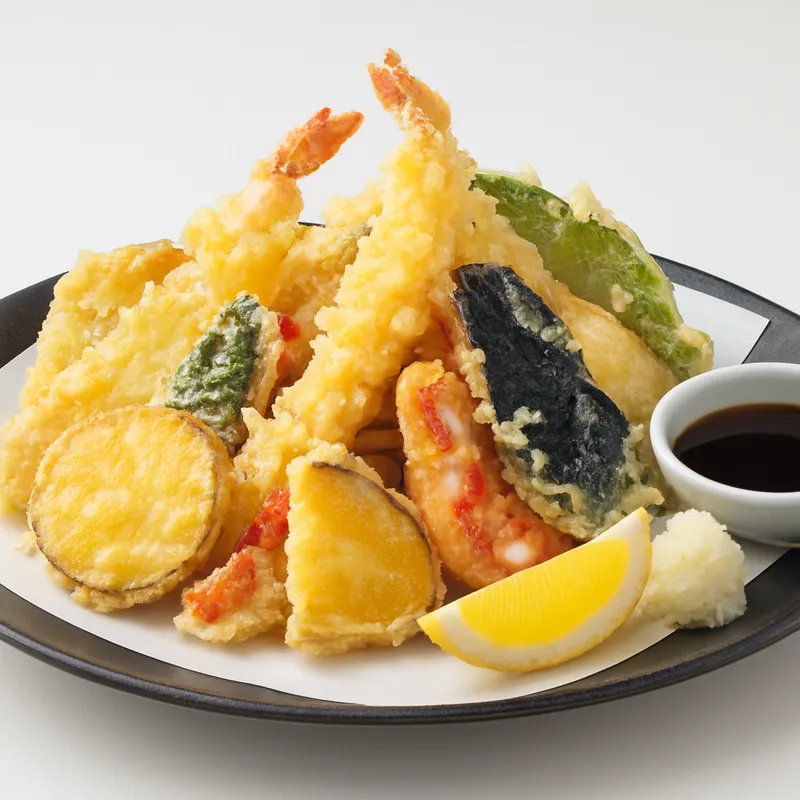
Pieces of shrimp, white fish, and vegetables — kabocha, lotus root, shiso, eggplant, shiitake — coated in a thin lacy batter, fried in sesame-blended oil until pale gold, almost translucent. Served immediately with grated daikon and tentsuyu dipping sauce, or just salt. The crust is dry, brittle, with visible fissures; if it's smooth and uniform, the batter was over-mixed.
Cold batter, hot oil, fast in-out — and never stir the batter smooth. The flour-water mix is whisked just until streaks of dry flour remain; gluten development is the enemy because it makes the crust chewy instead of brittle. Some shops use ice water or even sparkling water to keep temperature low. Oil is held at 170-180°C and seafood goes in for as little as 90 seconds.
Variations
Edomae tempura (Tokyo, sesame-oil-fried, darker); Kansai (lighter oil, paler); kakiage (mixed-vegetable cake); tendon (over rice with sweet sauce); tensoba (over hot soba).
On the Palate
Where Tempura sits in the Japanese flavor cloud
Keep the batter ice-cold and barely mixed — whisk just until streaks of dry flour remain, never smooth — because any gluten that develops turns the crust chewy instead of shatter-crisp; then in and out of 180°C oil fast.
Ingredients



How it's made
5 steps · 30 min
- 15 min
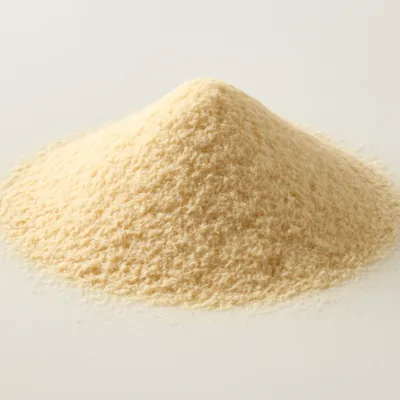
Prepare the batter by gently mixing iced water, egg, and soft wheat flour in a bowl. Keep the batter cold by placing the bowl over ice.
Watch outStop mixing while the batter still looks lumpy with dry-flour streaks and feels ice-cold — smooth batter has already gone too far.
- 210 min
Heat sesame or vegetable oil in a deep pan to 180°C (356°F). The oil should be deep enough to submerge the tempura completely.
Watch outDrop a bead of batter in — at 180°C it should sink halfway then bounce straight back up with a lively sizzle, not sit on the bottom.
- 310 min
Dip shrimp and sweet potato slices into the batter, allowing excess to drip off. Carefully lower into the hot oil and fry until pale golden and crisp, about 2-3 minutes.
Watch outPull the pieces when the coating is pale straw-gold and the bubbling quiets to a lazy fizz — deep brown means it's overcooked and bitter.
- 42 min
Use a mesh scoop to remove any bits of batter floating in the oil between batches to prevent burning.
- 53 min
Serve the tempura immediately with tentsuyu sauce or a sprinkle of sea salt for dipping.
Watch outServe the second it's drained — tempura goes limp within minutes as trapped steam softens the crust, so eat it hot.
Archive tool suggestions — not reviewed
These legacy suggestions have not been evidence-reviewed and are not presented as required tools.