
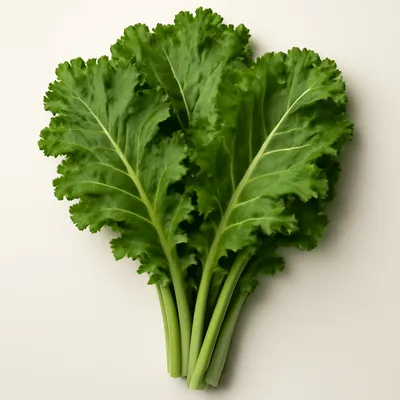
The defining everyday food of northern Nagano: a hand-sized bun of wheat-and-buckwheat dough wrapped around a savory filling, most often seasoned mountain vegetables, nozawana pickled greens, eggplant-miso, or sweet pumpkin and azuki. The dough is sealed into a flat round, then cooked by one of several regional methods — pan-seared then steamed, baked in ash on a hearth (hai-yaki), or steamed soft. Mountainous Shinshu was poor rice country, so wheat and buckwheat flour became the daily staple, and the oyaki turned a handful of foraged or preserved vegetables into a complete portable meal.





Oyaki belongs to the old wheat-and-buckwheat food culture of the cool Nagano highlands, where paddy rice grew poorly and powdered grains were the staple; flour dumplings and buns of this kind are documented across the region from at least the Edo period. The village of Ogawa, in the hills between Nagano City and Hakuba, became the best-known production center and the source of the modern packaged oyaki sold throughout the prefecture. Traditionally the buns were cooked hai-yaki, buried in the warm ash of the irori hearth that heated every farmhouse, which gave the skin a firm baked crust.
The skin is the point of contrast: chewy and slightly elastic from the wheat, with a faint nuttiness from the buckwheat, sometimes crisped and ash-darkened on the outside if hearth-baked. Bite through it and the filling is hot and well-seasoned — bitter mountain greens cut with miso, or the salty-sour tang of nozawana, or the soft sweetness of mashed pumpkin. It is hand food, eaten warm, filling without being heavy.
The wheat in the dough develops just enough gluten to make a pliable, sealable wrapper that holds wet fillings without bursting; adding buckwheat flour gives flavor and the regional character but, being low in gluten, must be balanced so the skin still stretches. The two-stage pan-then-steam method is now most common at home: searing sets and lightly browns the skin, while the covered steam that follows cooks the dough through and softens it without drying. Hearth ash-baking instead relies on steady, gentle radiant heat to bake the skin to a hard crust.
Variations
Fillings shift with season and household: nozawana, eggplant-miso (nasu-miso), kiriboshi daikon, hijiki, mushroom, sweet azuki, or pumpkin. Cooking method splits by district — Ogawa-style pan-and-steam, true hai-yaki hearth-baked oyaki in the old farmhouses, and a softer steamed-only version. Yaki-mochi and related flour-bun names appear across neighboring mountain prefectures for the same idea.
On the Palate
Where Oyaki sits in the Japanese flavor cloud
Balance the flours so the skin still stretches — buckwheat brings the flavor but almost no gluten, so lean too heavily on it and the wrapper tears and leaks; enough wheat keeps it pliable and sealable.
Ingredients
Serves 4
How it's made
7 steps · 50 min active + 40 min waiting
- 115 min
Mix wheat flour with a portion of buckwheat flour, add warm water, and knead into a soft, smooth dough; rest it covered.
- 215 min
Prepare a filling — for example, chop and stir-fry mountain vegetables or nozawana with miso, mirin, and a little sugar until well seasoned and fairly dry; cool.
Watch outCook the filling until it holds together fairly dry — free liquid in the pan means it'll wet the skin later.
- 35 min
Divide the dough, roll each piece into a round disc thicker at the center than the edge.
- 48 min
Place a spoon of filling in the center, gather and pleat the dough up over it, and pinch closed into a flat sealed bun.
Watch outPleat and pinch the seam fully shut so no filling shows — an open seam leaks in the pan.
- 55 min
Sear the buns in a lightly oiled pan over medium heat until both flat sides are lightly browned.
Watch outSear only to a light brown on both flat faces before the water goes in, not dark.
- 67 min
Add a splash of water to the pan, cover, and steam over low heat until the dough is cooked through and soft.
Watch outKeep the lid on until the dough springs back and no longer tastes floury — that's cooked through.
- 71 min
Serve warm, on their own or with tea.
Archive tool suggestions — not reviewed
These legacy suggestions have not been evidence-reviewed and are not presented as required tools.


